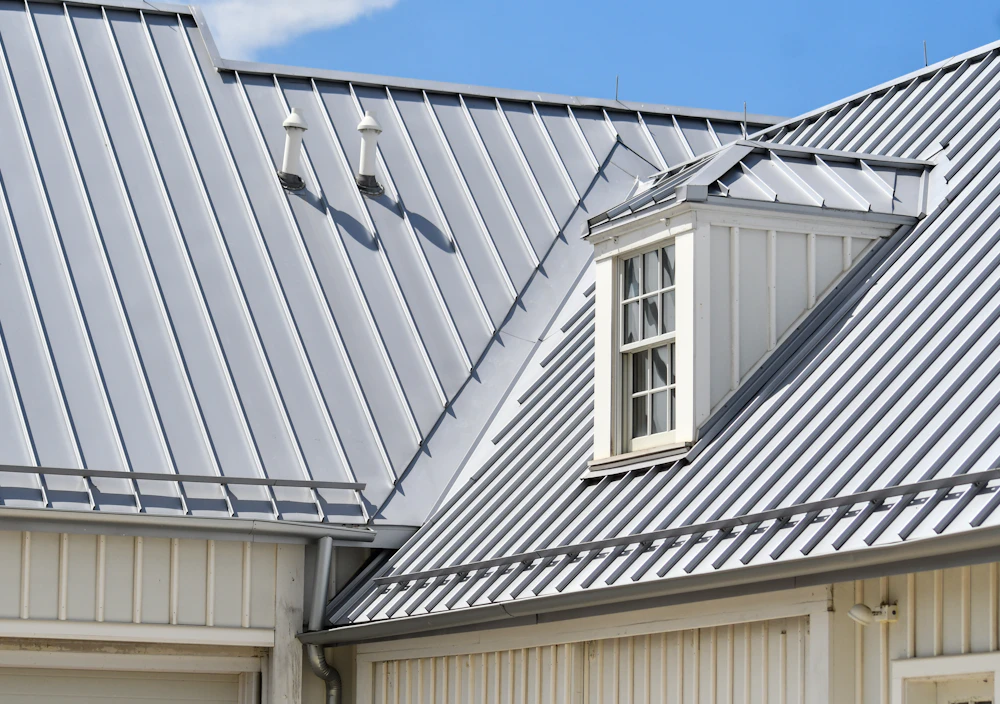
For Florida associations, wind is one of the most significant sources of potential property damage, and insurance carriers generally offer meaningful premium credits for buildings with verified wind-resistant features. A wind mitigation inspection is the formal process that documents which of those features a specific building actually has — and it’s one of the more straightforward ways an association can potentially reduce its insurance costs without any physical changes to the building at all, simply by accurately documenting what’s already there.
What a Wind Mitigation Inspection Generally Covers
A qualified inspector generally assesses specific building features known to affect wind resistance — roof covering type and age, roof deck attachment method, roof-to-wall connections, the presence of impact-resistant windows or shutters, and the overall roof shape, among other factors. Each of these features can affect how a building performs in high-wind conditions, and insurance carriers generally price policies, at least in part, based on this kind of documented information.
Why This Connects Directly to Insurance Costs
Credits for Verified Wind-Resistant Features
Insurance carriers generally offer premium credits for documented wind-resistant features, which means an association that has made wind-resistant improvements — but hasn’t had those improvements formally documented through an inspection — may be paying more than necessary simply because the carrier doesn’t have the documentation to apply the credit. This connects directly to the broader insurance considerations covered in our guide on understanding your association’s master insurance policy.
Accurate Information Protects the Association Either Way
Even where an inspection doesn’t reveal credit-worthy features, having accurate, current information supports more accurate insurance pricing overall, which protects the association from either overpaying based on outdated assumptions or being underinsured relative to the building’s actual risk profile.
When to Get a Wind Mitigation Inspection
After Major Building Improvements
Any time the association completes a significant roofing project, installs impact windows, or makes other improvements relevant to wind resistance, a new inspection reflecting those changes should generally be obtained before the next insurance renewal, so the updated features are properly documented and credited.
Before Shopping for a New Insurance Carrier
If the association is evaluating different insurance carriers, having a current wind mitigation inspection available generally allows for a more accurate, apples-to-apples comparison of quotes, since pricing is often meaningfully affected by the documented features.
As Reports Approach Expiration
Wind mitigation inspection reports are generally valid for a specific period, after which a new inspection may be needed to maintain any associated credits. An insurance agent can confirm the specific timing that applies to a given policy and carrier.
Choosing a Qualified Inspector
A wind mitigation inspection should be conducted by a professional qualified to perform this specific type of inspection — not simply any contractor or handyman. An insurance agent can generally recommend a qualified inspector familiar with the documentation format carriers expect, which reduces the risk of a report that’s incomplete or doesn’t meet the carrier’s specific requirements.
Connecting Wind Mitigation to Broader Risk Planning
Part of a Comprehensive Hurricane Preparedness Approach
Wind mitigation inspection and the features it documents are one piece of the broader hurricane preparedness picture covered in our guide on Florida hurricane preparedness checklist — a building with strong, documented wind-resistant features is both better protected during an actual storm and likely to see more favorable insurance treatment.
Informing Future Capital Planning
If a wind mitigation inspection reveals that a specific upgrade — impact windows, for example — would meaningfully improve both the building’s wind resistance and its insurance pricing, that information is valuable input for the board’s broader capital planning discussions, alongside the other capital priorities covered in our guide on when to repair vs. replace.
Sharing Wind Mitigation Information With Owners
Owners May Ask About It Too
Individual owners sometimes seek their own wind mitigation inspections for their personal unit insurance, and may have questions about what the association’s own inspection covers versus what applies to their individual policy. Being able to clearly explain the distinction — the association’s inspection covers building-wide common elements, while an owner’s personal policy may involve separate considerations specific to their own unit — helps avoid confusion between the two.
Keep the Report on File for Future Reference
A current wind mitigation report should be kept in the association’s organized records, consistent with the broader recordkeeping principles covered in our guide on recordkeeping requirements for associations, so that it’s readily available whenever the insurance agent, a prospective new carrier, or the board itself needs to reference it.
Wind Mitigation as Part of a Broader Risk Conversation
A single wind mitigation inspection, considered in isolation, is useful mainly for its potential premium impact. Considered alongside the rest of the association’s risk picture — the condition of the roof itself, as covered in our guide on roof maintenance and replacement planning, and the broader insurance program covered in our guide on understanding your association’s master insurance policy — it becomes one more piece of genuinely useful information that helps the board make better-informed decisions about both physical risk and insurance cost together, rather than treating each in isolation.
A Simple Checklist for Wind Mitigation Inspections
- The association has a current wind mitigation inspection report on file
- The report is updated after any major roofing or window-related improvement
- A qualified, insurance-recognized inspector conducted the assessment
- The insurance agent has confirmed whether the current report is reflected accurately in policy pricing
- Findings inform broader capital planning discussions, not just the current insurance renewal
Where This Connects to the Rest of Risk Management
Wind mitigation inspection connects directly to the broader insurance considerations covered in our guide on understanding your association’s master insurance policy and the emergency preparedness planning described in our guide on Florida hurricane preparedness checklist.