Hurricane preparedness for a community association isn’t a single checklist item — it’s a set of decisions made well before a storm, plus a clear plan for the days immediately after one passes. Boards that handle this well tend to start early and keep the plan simple enough that it actually gets followed under pressure.
Before Hurricane Season Starts
Review the Association’s Insurance Coverage
Confirm what the master policy actually covers, what the deductibles look like, and whether coverage has kept pace with current replacement costs. This is a conversation for the board with its insurance agent, not a do-it-yourself exercise — insurance language is specific, and getting it wrong is expensive.
Inspect Drainage and Grading
Clogged drains and poor grading turn ordinary heavy rain into standing water, and a hurricane makes that worse. A pre-season walk-through with maintenance staff or a vendor to clear drains and check grading around buildings and parking areas is time well spent.
Secure Loose Common-Area Items in Advance
Patio furniture, signage, trash receptacles, and anything else that could become airborne should have a documented plan — who’s responsible for securing or storing it once a storm watch is issued, and where it goes.
Confirm Emergency Vendor Contacts
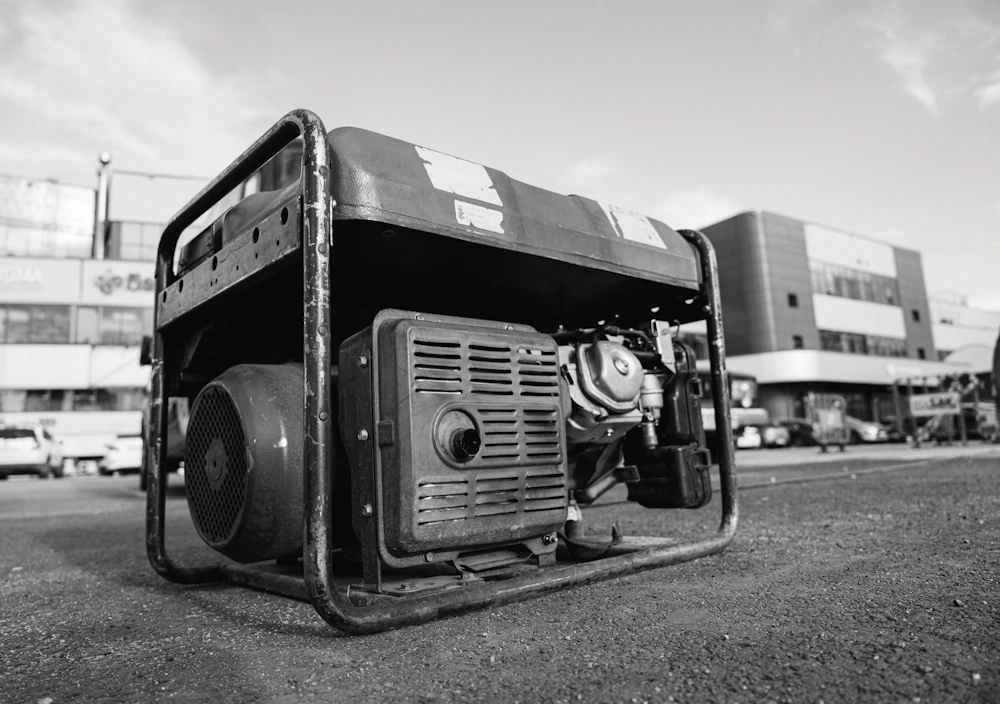
Tree removal, generator service, water extraction, and board-up companies get extremely busy immediately before and after a storm. Having agreements or at least confirmed contacts in place ahead of season avoids scrambling during an actual emergency.
Back Up Critical Records
Insurance policies, governing documents, vendor contracts, and owner contact information should exist somewhere other than a single filing cabinet in a building that might flood. Digital backups, stored off-site or with the management company, are a simple safeguard.
As a Storm Approaches
- Confirm the current status of association insurance coverage and any outstanding claims
- Notify residents with practical guidance: evacuation routes if applicable, what the association is and isn’t responsible for securing, and how to reach management
- Secure or store loose common-area items per the pre-season plan
- Shut down or secure amenities (pools, playgrounds, fitness centers) that could pose a hazard
- Confirm emergency contact numbers are current and shared with the board and residents
Immediately After the Storm
Prioritize Safety Before Assessment
No walkthrough of common areas should happen until it’s actually safe — downed power lines, structural damage, and standing water all carry real risk. Wait for an official all-clear where one applies.
Document Everything Before Cleanup Begins
Photos and video of damage, taken before any repairs or debris removal starts, make the insurance claims process significantly smoother. This is one of the most commonly missed steps under the pressure of wanting things cleaned up quickly.
Communicate Early, Even Without Full Information
Residents want to hear something quickly, even if it’s “we’re assessing damage and will update you by [specific time].” Silence tends to generate more anxious calls than an honest, partial update.
Coordinate With Insurance and Vendors in Parallel
Filing a claim and lining up emergency repair vendors can happen at the same time rather than sequentially, especially for urgent issues like active leaks or security concerns from a damaged structure.
Building a Resident Communication Plan
Most of the frustration residents report after a storm traces back to communication gaps rather than the actual damage. A simple, documented communication plan tends to help regardless of storm severity:
- Decide in advance how updates will go out — email, text alert system, a posted notice, or a combination — so the board isn’t improvising a distribution method while also dealing with actual storm response.
- Designate one point of contact for official updates, so residents aren’t getting conflicting information from different board members or vendors.
- Set a realistic update cadence and stick to it, even if the update is simply “no new information yet, next update at [time].”
- Keep a short list of what residents should and shouldn’t expect the association to handle — for example, clarifying that individual unit interiors are generally the owner’s responsibility, while common areas and shared structures fall to the association, subject to the specific governing documents and insurance policies involved.
Following Up Once the Season Passes
Hurricane preparedness isn’t only useful in the moment — a short debrief after the season (or after any storm that actually affected the property) helps the board capture what worked and what didn’t while it’s still fresh: which vendors responded quickly, where communication broke down, and whether the pre-season checklist actually matched what was needed. That debrief becomes the starting point for next year’s preparation, rather than starting from zero again.
A Note on Florida-Specific Requirements
Florida has specific statutory provisions affecting condominium and HOA structural inspections and reserves (within Chapters 718 and 720), some of which were updated following building-safety legislation in recent years. Requirements vary based on building age, height, and association type, so this article intentionally stays at a general, informational level. For the current statute text, consult the Florida Legislature’s official website, and work with the association’s attorney and engineer on anything specific to your property — this is not legal or engineering advice.
How We Support This Year-Round
Emergency response planning is built into our emergency response and maintenance and vendor coordination services, so a hurricane plan isn’t something assembled from scratch every June. If you’d like help putting a documented plan in place before next season, reach out and we can walk through what that looks like for your community.