Individual residents are generally responsible for their own household emergency preparedness, but an association’s common areas and shared operations have their own reasonable need for a basic emergency supply stockpile — items that support safe operation of shared spaces and systems during and immediately after a major storm, separate from what any individual household should have on hand for itself.
Why This Is a Distinct Planning Question
Our broader guide on Florida hurricane preparedness checklist covers general preparedness planning for boards. Supply stockpiling specifically deserves its own focused attention because it’s easy for a board to assume preparedness is covered simply by having a communication plan and insurance in place, without separately considering what physical supplies the association itself might reasonably need on hand.
What a Reasonable Common-Area Stockpile Might Include
Basic Safety and Cleanup Supplies
Tarps, basic tools, and materials for emergency temporary repairs (securing a damaged common-area structure, for example) can allow the association to respond to immediate safety issues before a contractor is able to arrive, particularly in the days immediately following a major storm when contractor availability regionally is often severely strained.
Fuel for Backup Power Systems
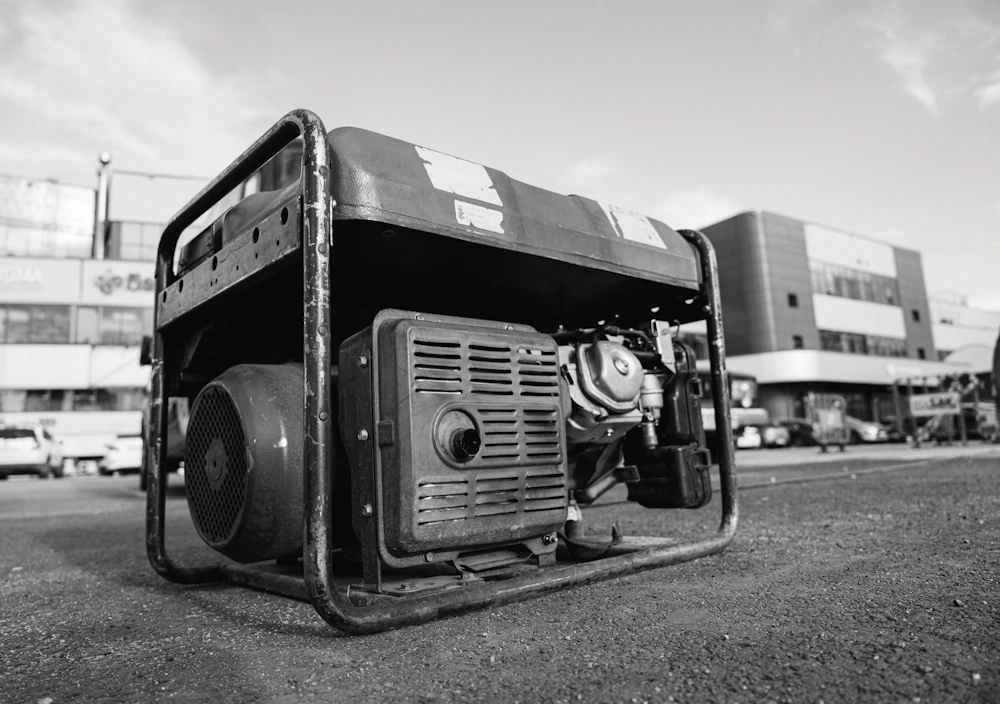
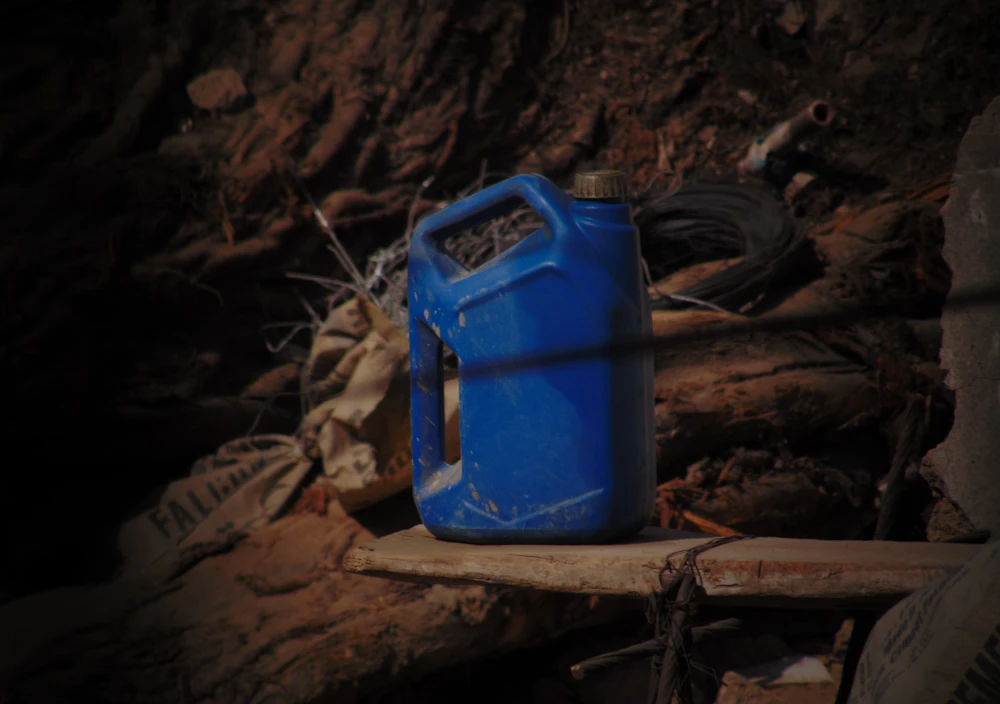
If the association has backup generators, as covered in our guide on backup power and generators for associations, maintaining a reasonable, safely stored fuel supply — consistent with manufacturer and safety guidance for the specific fuel type — supports continued operation of those systems during an extended outage.
Basic First Aid Supplies for Common Areas
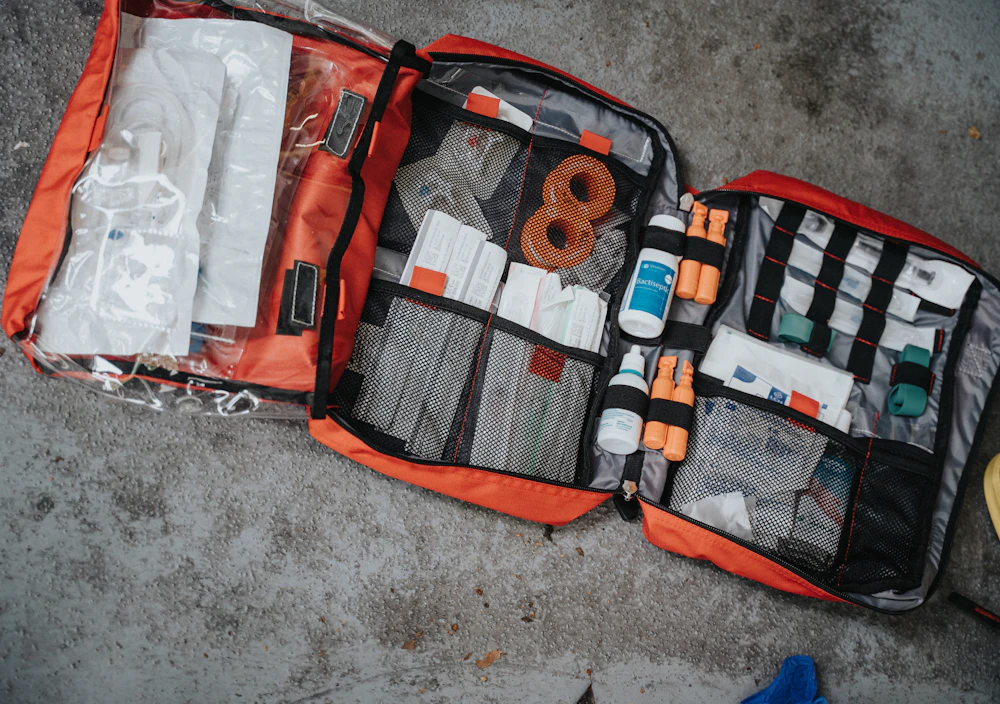
A basic first aid kit maintained in key common-area locations (a clubhouse or management office, for example) supports immediate response to a minor injury before more significant medical help can be reached, particularly during a period when normal services may be disrupted.
Communication Equipment Backup
Battery-powered or hand-crank radios, backup batteries for essential communication devices, and similar equipment support the association’s ability to maintain the kind of communication covered in our guide on building an emergency communication plan even if normal power and cellular service are disrupted.
What Generally Isn’t the Association’s Responsibility
Individual Household Supplies
Water, food, medication, and other personal supplies for each household are generally the individual resident’s own responsibility to maintain, not something the association stockpiles on residents’ behalf. Being clear about this distinction in resident communication helps avoid residents assuming the association will be providing for their personal needs during an emergency.
Being Realistic About What’s Actually Deliverable
An association shouldn’t promise or imply a level of emergency supply support — distributing supplies to every unit, for example — that it realistically isn’t equipped to provide. Clear, honest communication about what the association’s stockpile is and isn’t intended to cover protects against unrealistic resident expectations forming before an actual emergency occurs.
Storage and Maintenance of the Stockpile
Secure, Accessible Storage
Supplies should be stored somewhere that remains reasonably accessible even during significant storm damage to other parts of the property, and secured against both weather exposure and unauthorized access.
Regular Inventory and Rotation
Stockpiled supplies — particularly anything with an expiration date, like certain first aid items or stored fuel — need periodic review and rotation, rather than being purchased once and then forgotten until an emergency reveals that items have expired or degraded.
Clear Responsibility for Maintaining the Stockpile
Designating specific responsibility — to management, a specific committee, or a specific board role — for maintaining and periodically checking the stockpile avoids it quietly becoming outdated without anyone noticing until it’s actually needed.
Budgeting for the Stockpile
A reasonable emergency supply stockpile is a modest, predictable operating cost that’s worth reflecting explicitly in the budget, rather than treated as an afterthought purchased hastily and incompletely right before a storm is already approaching.
Coordinating the Stockpile With the Emergency Communication Plan
Supplies Are Most Useful When People Know They Exist
A well-stocked supply cache does little good if residents, board members, and on-site staff don’t know it exists or where it’s located during an actual emergency. Including a brief reference to the stockpile’s general existence and purpose within the broader emergency communication plan, covered in our guide on building an emergency communication plan, helps ensure the right people can actually access it when it’s needed.
Reviewing the Stockpile After Each Storm Season
Following each hurricane season, reviewing what was actually used from the stockpile, what was missing, and what proved less useful than expected gives the board practical, experience-based information to refine the stockpile for the following year, rather than relying solely on a generic list that never gets reconsidered.
Involving On-Site Staff in Stockpile Planning
Staff who are physically present during and immediately after a storm — a property manager or on-site maintenance team, for example — often have the most practical, firsthand sense of what’s genuinely useful to have on hand versus what sounds helpful in theory but rarely gets used. Including their input when deciding what the stockpile should contain tends to produce a more genuinely useful set of supplies than a list built purely from a generic checklist.
A Simple Checklist for an Emergency Supply Stockpile
- Basic safety, cleanup, and first aid supplies are maintained in accessible common-area locations
- Generator fuel, where applicable, is stored safely and in a reasonable quantity
- Residents clearly understand what the association’s stockpile does and doesn’t cover
- Supplies are stored securely and reviewed and rotated on a regular schedule
- Specific responsibility for maintaining the stockpile is clearly assigned
Where This Connects to the Rest of Emergency Preparedness
Emergency supply stockpiling connects directly to the broader preparedness framework covered in our guide on Florida hurricane preparedness checklist and the backup power planning described in our guide on backup power and generators for associations. Our emergency response service helps boards plan this kind of preparedness before it’s needed.