An extended power outage is one of the more disruptive, and increasingly common, emergencies a South Florida community association can face — not only during a hurricane, but from grid failures, equipment issues, or regional demand spikes at other times of year. Backup power planning is one of the more consequential, and often underplanned, pieces of an association’s broader emergency preparedness.
Why This Deserves Deliberate Planning, Not Just a Hurricane-Season Thought
Our guide on hurricane preparedness for Florida boards covers broader storm planning; backup power specifically deserves its own focused attention because an extended outage can create safety issues — failed elevators, non-functioning security systems, water pumps that stop working in a high-rise — well beyond simple inconvenience, and because the right solution often requires significant capital investment and lead time to implement.
What Backup Power Typically Covers in an Association Setting
Life-Safety Systems First
Fire alarm systems, emergency lighting, and in many buildings, at least one elevator, are the systems most commonly prioritized for backup power, since their failure during an outage creates genuine safety risk rather than just inconvenience.
Common-Area and Critical Operational Systems
Beyond strict life-safety systems, many associations also consider backup power for water pumps (critical in high-rise buildings where water pressure depends on electric pumps), gate and access control systems, and in some cases, limited common-area lighting and refrigeration for any food-service amenities.
Individual Unit Power Is Generally Not an Association Responsibility
Backup power for the interior of individual units is typically the owner’s own consideration, separate from what the association provides for common systems — similar to the general maintenance-responsibility division covered in our guide on HOA vs. COA differences, where common systems are the association’s domain and individual units are generally the owner’s.
Evaluating Backup Power Options
Permanent Generators vs. Portable or Rental Units
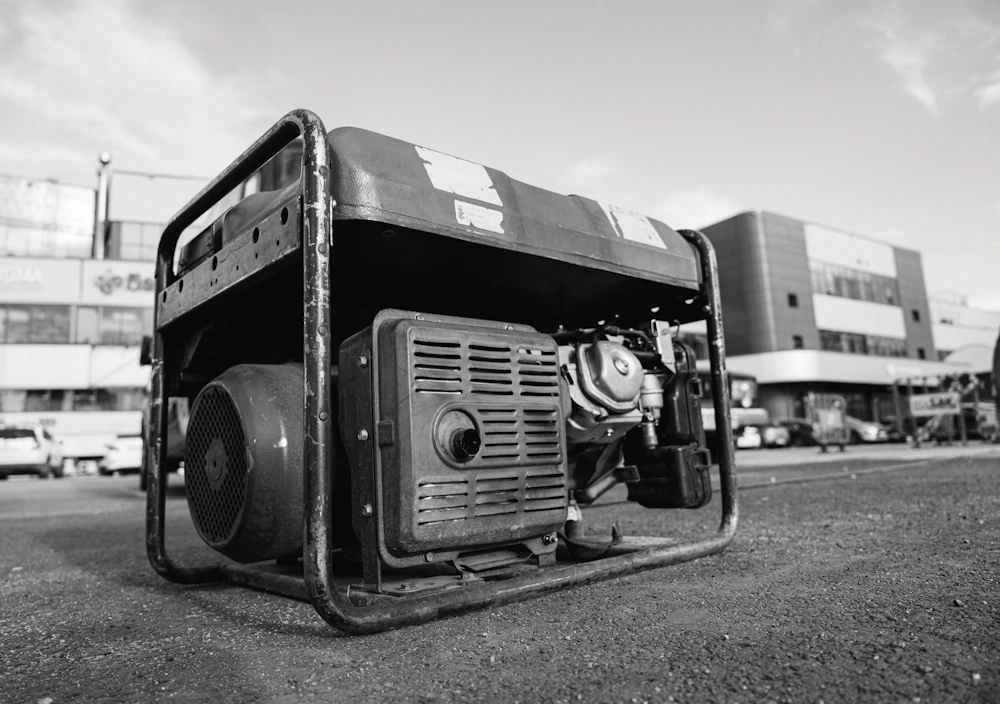
A permanently installed generator, professionally maintained and automatically engaged when grid power fails, offers far more reliability than scrambling to source a rental unit after a storm has already made rental equipment scarce and expensive. The trade-off is upfront capital cost and ongoing maintenance, which should be evaluated against the specific risk the building faces and the cost of extended outages to residents.
Fuel Type and Supply Considerations
Generators generally run on diesel, natural gas, or propane, each with different supply, storage, and refueling considerations during an extended regional emergency when fuel delivery itself may be disrupted. An engineer familiar with the specific building and its typical outage risk can help evaluate which fuel type makes practical sense.
Sizing the System Correctly
A generator that’s undersized for the systems it’s meant to support provides a false sense of preparedness — it may fail to actually run everything intended once a real outage tests it. Proper sizing requires an electrical engineer’s assessment of the building’s actual critical-system load, not a rough estimate.
Planning for the Capital Cost
A permanent generator installation is a significant capital expense that should be planned for explicitly in the association’s reserve study, similar to other major building systems covered in our guide on reserve studies for condo boards, rather than treated as an emergency expense decided reactively after a particularly bad outage makes the gap obvious.
Maintenance: The Part That’s Easy to Neglect
Regular Testing Is Essential
A generator that sits unused between emergencies needs regular test runs to confirm it will actually start and run when needed — a generator discovered to be non-functional during an actual emergency is arguably worse than having no generator at all, since it represents a false sense of security the board and residents were relying on.
Fuel Storage and Rotation
Stored fuel degrades over time, and a board relying on stored fuel for generator operation should understand the vendor’s maintenance and fuel rotation schedule, rather than assuming fuel stored years ago is still usable when actually needed.
Service Contracts Matter as Much as the Equipment Itself
A generator without a reliable maintenance contract in place is, over time, no more dependable than any other piece of unmaintained equipment — the same vendor vetting principles covered in our guide on vendor management best practices apply directly to selecting a generator maintenance provider.
Communicating Backup Power Capabilities to Residents
Residents sometimes assume a building’s generator will keep everything running during an outage, including their own unit’s air conditioning or refrigeration — an assumption that can lead to real disappointment and even safety risk if it turns out to be wrong. Being specific and proactive about exactly what the association’s backup power does and doesn’t cover, well before an actual emergency, helps residents plan their own preparedness realistically rather than discovering the gap during an actual outage.
A Simple Checklist for Backup Power Planning
- Critical life-safety and operational systems requiring backup power have been identified with an engineer’s input
- The generator (if installed) is properly sized for its actual intended load, not roughly estimated
- A capital plan exists for the installation or upgrade cost, reflected in the reserve study
- A maintenance contract, including regular test runs, is in place and actually being followed
- Residents understand what the association’s backup power does and doesn’t cover, including that individual unit backup is generally their own responsibility
Where This Fits Into Our Services
Backup power planning is part of our broader emergency response service, working alongside the hurricane preparedness covered in our hurricane preparedness checklist and the capital planning described in our guide on reserve studies for condo boards.