“HOA” gets used as a catch-all term in everyday conversation, covering everything from a gated single-family neighborhood to a 20-story condo tower. That’s convenient shorthand, but it glosses over a real legal distinction that affects what a board can and can’t do, who owns what, and how maintenance responsibility is divided. Understanding the difference matters most to a board member or owner trying to figure out exactly what their association is responsible for.
The Core Distinction: What’s Actually Owned
The clearest way to separate the two is by asking what an owner actually owns.
Homeowner Associations (HOAs)
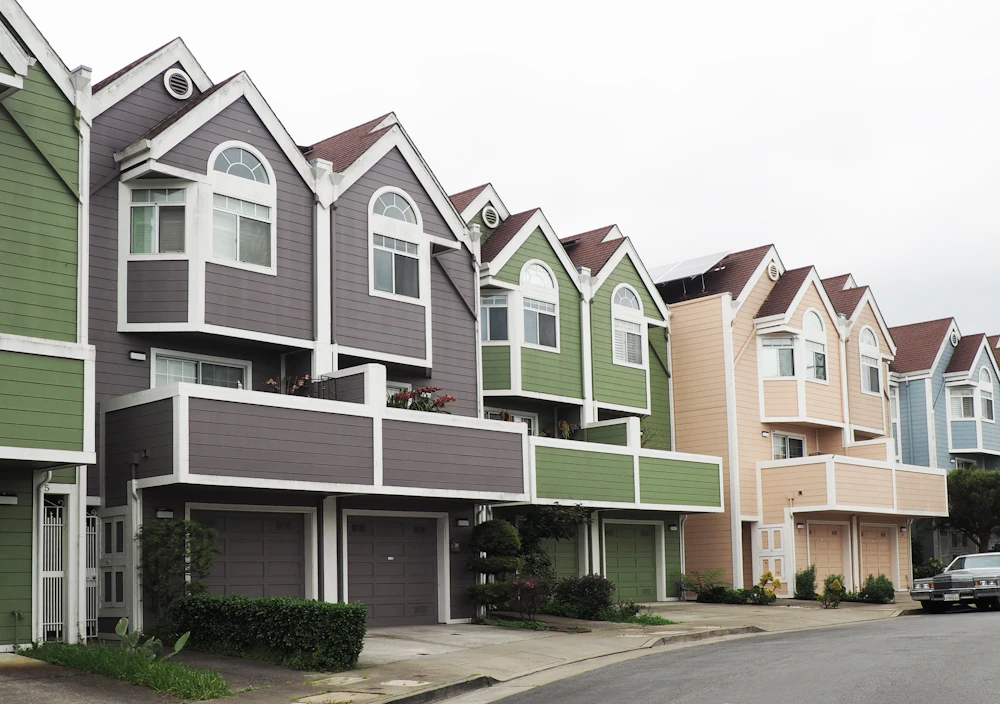
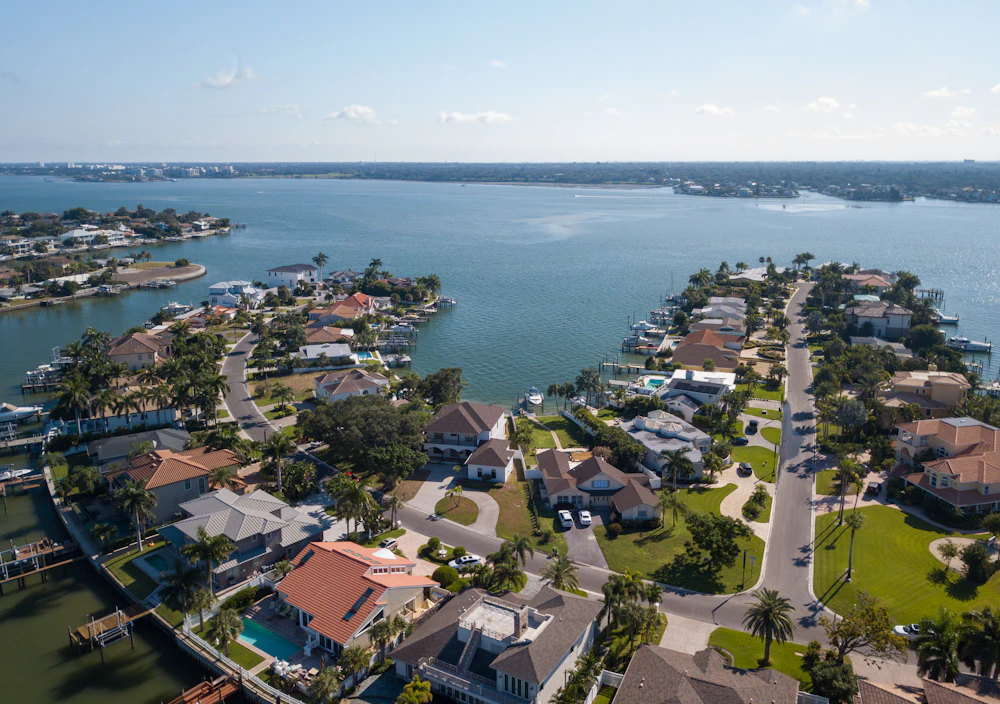
In a typical HOA, each owner holds title to their individual lot and the structure built on it — the house itself, the land under it, and often a yard. The association owns and maintains the common areas: entrance features, community amenities, retention ponds, internal roads in some communities, and shared recreational facilities. The home itself, inside and out, is generally the owner’s responsibility, subject to architectural and use restrictions in the governing documents.
Condominium Associations (COAs)
In a condominium, ownership works differently. An owner typically owns the interior airspace of their unit, while the building structure, exterior walls, roof, and common elements (hallways, elevators, pools, structural components) are owned collectively by all unit owners through the association. This is why condo associations tend to carry more extensive insurance and maintenance responsibility than HOAs — they own, and must maintain, far more of the physical structure than an HOA typically does.
Where the Legal Framework Differs
Florida law treats these two structures separately, which is part of why the distinction matters beyond just terminology.
- Condominiums are primarily governed by Chapter 718 of the Florida Statutes, which addresses the condominium form of ownership specifically — including provisions on structural integrity reserve studies for certain buildings, and more detailed requirements around the association’s role in maintaining shared structural elements.
- Homeowner associations are primarily governed by Chapter 720, which addresses planned communities where owners hold title to their own lots.
Both chapters cover similar ground in some areas — meeting notice, financial reporting, records access — but the specific requirements, timelines, and thresholds are not identical between them. A requirement that applies to condominiums doesn’t automatically apply to HOAs, and vice versa. Because the statutes are updated periodically and the details matter, this article intentionally doesn’t restate specific provisions — the current text of either chapter is available on the official Florida Legislature website, and a board with a specific compliance question should confirm it there or with the association’s attorney rather than relying on a general summary.
How This Plays Out in Day-to-Day Management
The ownership distinction isn’t just academic — it shapes a lot of practical decisions a board makes.
Insurance
A condominium’s master policy typically needs to cover the building structure itself, which is a larger and more complex undertaking than insuring the common areas of an HOA, where individual owners carry their own homeowner’s insurance on the structure they own. Boards in both structures should understand exactly what their policy covers and where the line falls between association coverage and an individual owner’s responsibility — ideally in a direct conversation with an insurance professional rather than an assumption either way.
Maintenance Responsibility
In an HOA, a leaking roof on an individual home is usually the homeowner’s problem. In a condominium, that same leaking roof is frequently the association’s problem, because the roof is part of the building structure the association owns collectively. This single difference explains a lot of the day-to-day maintenance call volume a manager handles differently between the two property types.
Reserve Funding
Both structures can — and generally should — maintain reserve funds for major future expenses, but the scale and specificity of what’s being reserved for often differs. A condominium reserving for roof replacement, elevator overhaul, or facade repair is reserving for building components it owns outright. An HOA’s reserves more often cover amenities and common infrastructure rather than individual structures.
A Simple Way to Tell Which One You’re In
If you’re not sure which structure governs your community, a few quick signals usually settle it:
- Do you own your unit’s airspace, with the building structure owned collectively? (Likely a condominium.)
- Do you hold title to your own lot and structure, with the association only owning shared amenities and common areas? (Likely an HOA.)
- Does your declaration refer to “units” and “common elements”? (Condominium language.)
- Does it refer to “lots” and “common areas”? (HOA language.)
- Which statute does your declaration cite — Chapter 718 or Chapter 720?
That last question is the most reliable one, since the governing documents themselves will typically reference the specific statute under which the association was formed.
Why the Distinction Matters for a Board
A board member who understands which structure they’re operating under is better equipped to ask the right questions — of the association’s attorney, insurance agent, and management company — because the legal and financial obligations genuinely differ. A question that makes sense for a condominium board (How much of our structural reserve study is required by statute?) may not even apply to an HOA board, and a question that’s routine for an HOA (What’s our policy on exterior paint colors for individual homes?) often doesn’t apply the same way to a condominium, where the exterior is a shared structure to begin with.
Neither structure is inherently more complex to manage than the other — they’re just complex in different places, and knowing which kind of community you’re serving is the starting point for asking the right follow-up questions.
Where to Go From Here
Our HOA and community management and high-rise condo management services are built around these differences rather than treating every community the same way. If you’re trying to understand the broader role a manager plays regardless of which structure your community uses, our article on what a community association manager actually does is a useful starting point.