New board members and new owners alike often use “HOA” and “condo association” interchangeably, and in casual conversation that’s usually harmless. But the actual structure of a community — whether it’s a condominium, a townhome association, or a single-family-home HOA — shapes almost everything about what the association maintains, what it insures, and where the board’s authority actually begins and ends. Understanding which structure applies to your community is foundational to understanding the rest of how it’s governed.
Why the Distinction Matters in Practice
Our broader guide on HOA vs. COA differences covers the general legal distinction between a homeowners association and a condominium association. This article goes a step further and looks specifically at three common physical configurations — condo, townhome, and single-family HOA — because the physical layout of a community has real, practical consequences for maintenance responsibility that go beyond the legal label alone.
Condominium Communities
What the Association Typically Maintains
In a condominium, the association generally owns and maintains the building structure itself — roofs, exterior walls, common hallways, elevators, and shared mechanical systems — while owners generally own the interior of their own unit. This structure means the association’s master insurance policy and maintenance budget need to account for the entire building envelope, not just shared amenities.
Where Ambiguity Often Arises
Exactly where “the unit” ends and “the common elements” begin — windows, balconies, interior plumbing lines that run through shared walls — is defined in the declaration of condominium, and it varies from one community to another. A board and owners who assume a single universal rule applies, rather than checking their own specific declaration, often end up in avoidable disputes over who’s responsible for a given repair.
Townhome Associations
A Middle Ground Between Condo and Single-Family
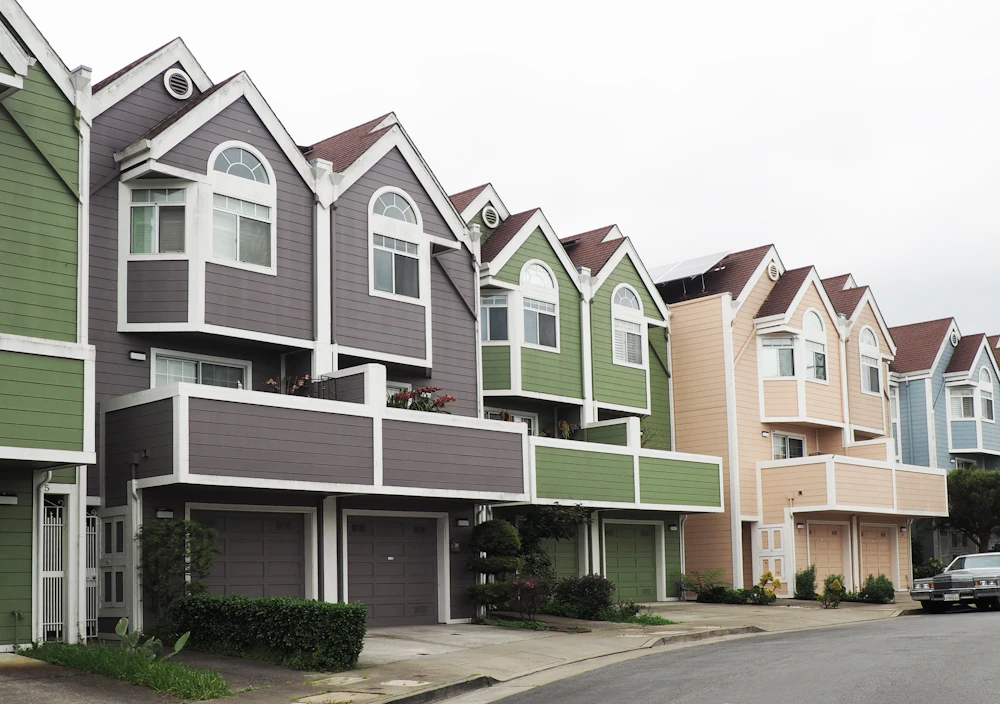
Townhome communities, where each owner typically owns their own structure (including the roof, in many but not all configurations) but shares common areas like streets, sidewalks, and landscaping, sit somewhere between a condo association and a single-family HOA in terms of what the association maintains directly.
Checking the Specific Declaration
Because townhome configurations vary significantly — some include exterior maintenance like roofs and paint within the association’s responsibility, others leave those entirely to the individual owner — this is an area where assuming a “typical” townhome structure can lead a board or owner to miss a real obligation. The declaration for the specific community is the only reliable source here.
Single-Family-Home HOAs
Maintenance Responsibility Is Generally More Limited
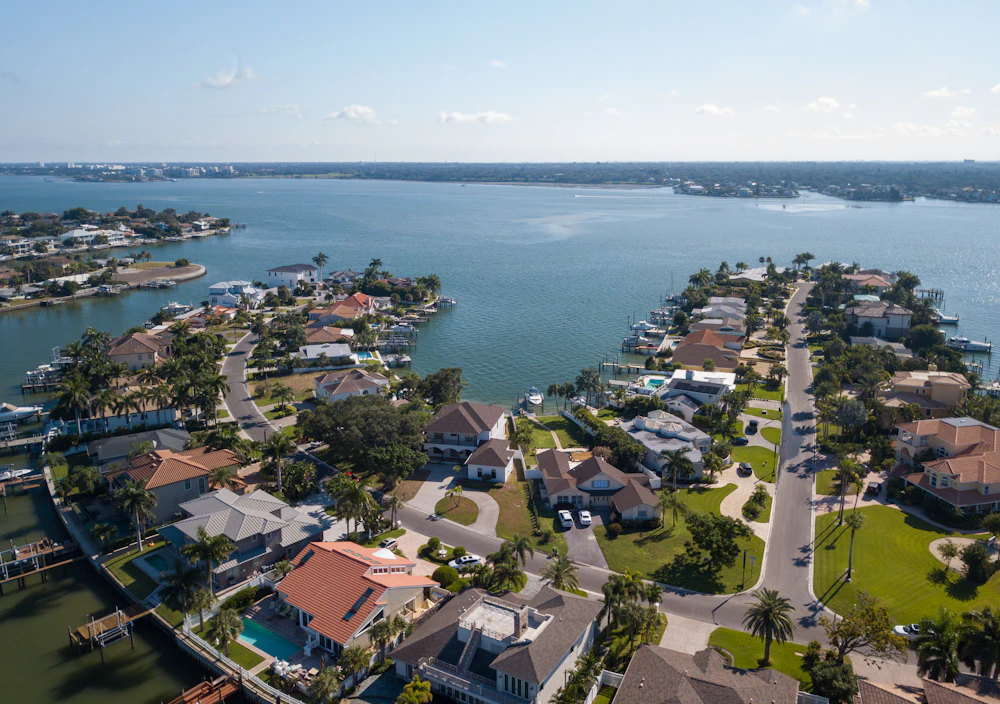
In a typical single-family HOA, the association generally maintains common areas — entrance features, common landscaping, amenities like a pool or clubhouse — while each homeowner maintains their own house and lot entirely. This generally means a lighter maintenance budget per household relative to a condominium, but it doesn’t mean the association has no meaningful responsibilities.
Architectural Control Often Fills the Gap
Because the HOA generally isn’t maintaining each individual home, its influence over the community’s physical appearance typically comes instead through architectural review of owner modifications — paint colors, fencing, landscaping changes — rather than through direct maintenance. This is a different kind of authority than a condo board exercises over building systems, worth understanding on its own terms.
How This Shapes Reserve Planning
Condo Reserves Tend to Cover More
Because condominium associations maintain the building envelope itself, their reserve studies — covered in general terms in our guide on reserve studies explained for condo boards — typically need to account for major systems like roofing, elevators, and building-wide mechanical systems, in addition to shared amenities.
Single-Family HOA Reserves Are Often Narrower in Scope
A single-family HOA’s reserve study generally focuses on common-area amenities and infrastructure rather than individual homes, which tends to mean a narrower (though not necessarily smaller) set of components to plan for.
How This Shapes Insurance
A condominium’s master insurance policy generally needs to cover the building structure itself, which is a meaningfully larger insurable interest than a single-family HOA’s policy, which typically covers common areas and amenities but not individual homes. Our guide on understanding your association’s master insurance policy covers the general shape of this coverage; the specific scope always depends on the community’s own structure and declaration.
Why New Owners Should Understand This Before Closing
A buyer who assumes their new HOA works the same way as a condo they previously owned — or vice versa — can be genuinely surprised by what is and isn’t the association’s responsibility after closing. This is one of several reasons why understanding the specific governing documents, as covered in our guide on onboarding new owners before closing, matters well before move-in day.
Hybrid and Mixed-Use Communities
Some Communities Combine More Than One Structure
A growing number of planned developments combine more than one of these structures under a single master plan — a section of condominiums alongside a section of townhomes, or townhomes alongside single-family lots, all coordinated through a master association. In these hybrid communities, understanding which sub-association governs a specific property, and which structure applies to it, becomes even more important than in a community with a single uniform housing type throughout.
Why This Adds a Layer of Complexity
An owner or board member in a hybrid community needs to understand not just the general condo-versus-townhome-versus-single-family distinction, but specifically which rules, maintenance responsibilities, and assessment structures apply to their particular section of the community, since these can genuinely differ from one section to another even within the same overall development. A board serving a hybrid community should be especially careful not to assume a single policy applies uniformly to every property type represented within it.
A Simple Checklist for Understanding Your Community’s Structure
- The specific declaration, not a general assumption, defines what the association maintains versus what owners maintain
- Reserve planning reflects the actual scope of what the association is responsible for maintaining
- Insurance coverage matches the association’s actual insurable interest, whether that’s a building structure or common areas alone
- New owners understand the specific maintenance split before closing, not after
Where This Connects to the Rest of Association Governance
Understanding your community’s specific structure is foundational to understanding the governing documents covered in our guide on understanding your community’s governing documents, and it directly shapes the reserve and insurance planning covered in our guides on reserve studies explained for condo boards and understanding your association’s master insurance policy.