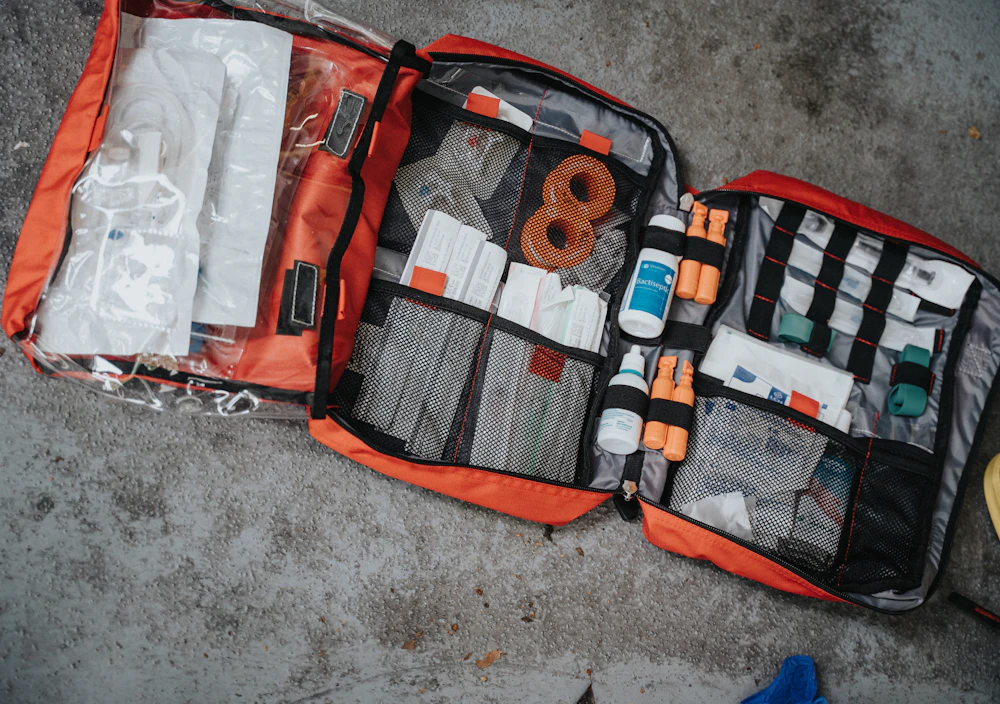
Evacuation orders ahead of a major storm are generally issued by local government authorities, not by an association itself, but a board still has a genuine, practical role to play in helping residents understand what evacuation actually means for their specific building, and in thinking through how residents who may need additional assistance will actually get out safely if an evacuation order comes.
The Board’s Role Relative to Official Evacuation Orders
The Association Doesn’t Issue Evacuation Orders, but Can Help Residents Prepare
Evacuation orders and zone designations generally come from local or state emergency management authorities, not the association. The board’s role is generally to help residents understand how to find and follow official guidance, and to prepare the building and its residents to respond effectively once an order is actually issued, rather than attempting to independently determine when evacuation is warranted.
Understanding the Building’s Specific Evacuation Zone
Confirming which official evacuation zone the specific property falls into, and sharing that information clearly with residents well before hurricane season, as part of the broader preparedness covered in our guide on Florida hurricane preparedness checklist, helps residents know what to watch for rather than discovering this information for the first time during an actual approaching storm.
Why High-Rise Buildings Present Distinct Evacuation Considerations
Elevators May Not Be Available During an Evacuation
A high-rise evacuation can’t necessarily rely on elevators, particularly once power is lost or building systems are shut down ahead of a storm, which means residents on higher floors may face a genuinely difficult stair descent — a real practical consideration that’s easy to overlook until residents are actually facing it in the moment.
Timing Matters More in a Larger Building
A high-rise building with many residents generally takes meaningfully longer to fully evacuate than a smaller building, which is part of why early, clear communication about evacuation zones and timing — rather than waiting until a storm is almost at the doorstep — gives residents a more realistic window to actually act on an evacuation order.
Identifying Residents Who May Need Additional Assistance
A Voluntary, Privacy-Respecting Registry Can Help
Some associations maintain a voluntary registry where residents can identify, if they choose, that they may need additional assistance evacuating — due to mobility limitations, medical equipment dependency, or other factors. Participation should generally be voluntary and the information handled with real care, consistent with the privacy principles covered in our guide on protecting resident data: privacy basics, since this is sensitive personal information that residents are trusting the association to handle responsibly.
The Association Generally Isn’t the Primary Emergency Responder
While a board can reasonably maintain this kind of voluntary registry to help inform building-level planning and communication, the association generally isn’t equipped to serve as a substitute for residents’ own emergency planning, their family’s support network, or official emergency response resources — and communicating this honestly, rather than implying the association will handle evacuation assistance directly, helps residents take their own necessary planning seriously rather than assuming the building will manage it for them.
Building a Practical Evacuation Communication Plan
Connect This to the Broader Emergency Communication Plan
Evacuation-specific information should be a clear, well-integrated part of the broader emergency communication plan covered in our guide on building an emergency communication plan for your association, rather than a separate, disconnected set of information residents have to track down from a different source during an already stressful situation.
Give Residents Enough Lead Time to Actually Act
Evacuation communication is most useful when it reaches residents with genuine lead time — reminding residents of their zone status and general evacuation considerations as a storm approaches, rather than only communicating once an order has already been issued and residents have limited time left to act.
Practical Steps Residents Can Take, With the Board’s Encouragement
Residents Should Plan Their Own Evacuation Route and Destination
The board can reasonably encourage residents, well ahead of hurricane season, to think through their own evacuation plan — where they would go, how they would get there, what they would bring — rather than waiting to figure this out for the first time once an order is actually issued.
Residents Needing Assistance Should Arrange Support in Advance
Residents who anticipate needing assistance evacuating benefit from arranging that support — family, friends, or other resources — well in advance, rather than assuming the building or its staff will be able to provide that assistance directly once an emergency is already underway.
Coordinating With Local Emergency Management Resources
Associations Can Reasonably Reach Out to Local Authorities
A board can reasonably reach out to local emergency management officials ahead of hurricane season to understand general evacuation zone information and any specific resources or guidance available to multifamily and high-rise properties in the area, rather than relying solely on general public information that may not address the specific considerations relevant to a high-rise building.
Sharing Official Resources Rather Than Creating Independent Guidance
Where local emergency management authorities publish specific guidance for high-rise or vulnerable populations, sharing that official guidance directly with residents, rather than having the board attempt to create its own independent evacuation guidance, keeps residents pointed toward the most authoritative and current information available.
A Simple Checklist for Evacuation Planning
- The board has confirmed and clearly communicated the building’s official evacuation zone to residents
- High-rise-specific considerations, including the possible unavailability of elevators, are communicated clearly
- Any voluntary assistance registry is handled with genuine privacy care and is clearly understood as voluntary
- The association clearly communicates the limits of what it can realistically provide during an evacuation
- Evacuation information is integrated into the broader emergency communication plan, not a separate, disconnected resource
Where This Connects to the Rest of Emergency Preparedness
Evacuation planning connects directly to the broader hurricane preparedness framework covered in our guide on Florida hurricane preparedness checklist and the communication planning described in our guide on building an emergency communication plan for your association.