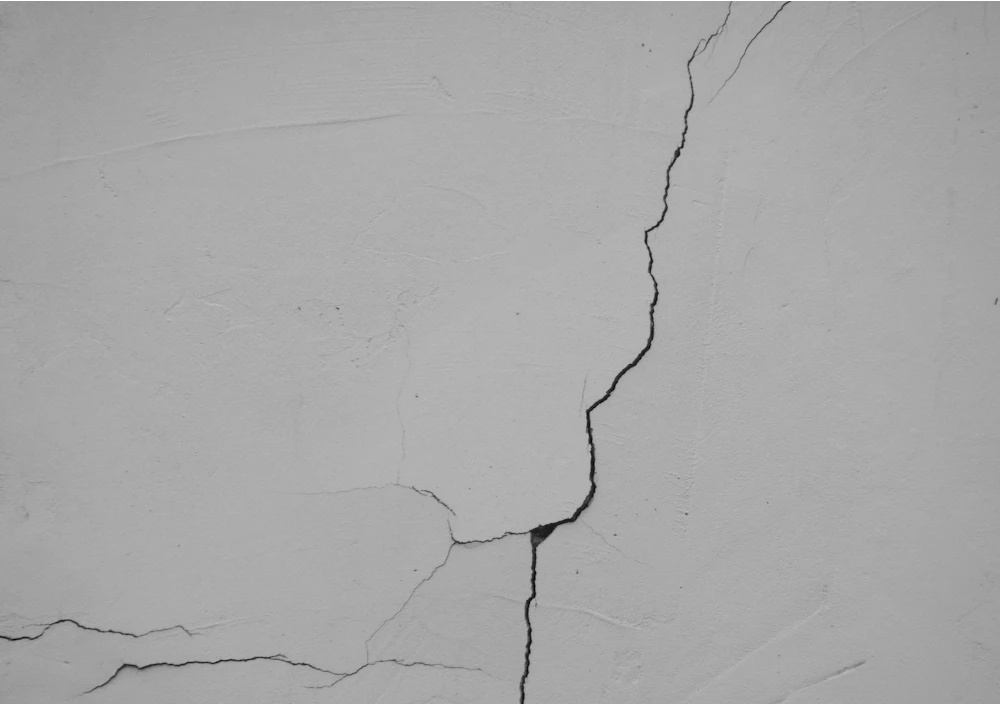
A major component — a roof, a pool deck, an elevator, a parking lot surface — starts showing real wear, and a board faces a decision that sounds simple but often isn’t: repair it again, or replace it now. The decision has real financial stakes in both directions, and boards that default to “whichever costs less today” sometimes end up spending more over the life of the component than boards that think through the full picture upfront.
Why This Decision Is Harder Than It Looks
Repair almost always costs less in the immediate term, which makes it the intuitively appealing choice. But a component that’s repeatedly patched rather than replaced tends to fail more frequently as it ages, often in less predictable ways, and each additional repair adds to a running total that can eventually exceed what a full replacement would have cost. The challenge is that this pattern is only obvious in hindsight — at the time of any individual repair decision, it’s genuinely hard to know whether this is the last patch the component needs or the first of several more to come.
A Framework for Thinking It Through
How Close Is the Component to Its Expected Useful Life?
If a reserve study or manufacturer guidance suggests the component is already near or past its expected lifespan, a repair is often just delaying an expense that’s coming regardless, while continuing to accumulate repair costs on top of it. Our guide on reserve studies for condo boards covers how these lifespan estimates are typically developed and used.
What’s the Repair’s Track Record So Far?
A first-time repair on a component with no history of problems is a very different situation from a third repair on the same component within two years. A pattern of repeat repairs is informative in itself — it suggests the underlying issue hasn’t actually been resolved by prior repairs, and the next one may not resolve it either.
What Does a Qualified Professional Actually Recommend?
This is a case where a board’s own intuition is less reliable than a direct, specific recommendation from whoever is doing the inspection or repair — a roofer, an engineer, a pool contractor. Asking directly, “if this were your own building, would you repair or replace, and why,” tends to surface a more useful answer than a generic repair quote alone.
What’s the Cost Difference, Including the Full Picture?
A straight repair-cost-versus-replacement-cost comparison is a starting point, but it’s incomplete without also factoring in:
- The likely need for additional repairs before a future replacement becomes unavoidable
- Any efficiency, insurance, or liability benefits a newer component might provide that the current one doesn’t
- Whether a repair now simply delays a replacement that’s clearly coming within a known, relatively short timeframe
Does the Timing Align With Other Planned Capital Work?
Sometimes it makes sense to accelerate a replacement that wasn’t urgent on its own because it can be combined with other planned work — shared mobilization costs, reduced disruption to residents from doing one larger project instead of two separate ones, or a vendor discount for combined scope. This isn’t a reason to replace something prematurely, but it’s a legitimate factor once a genuine repair-versus-replace decision is already close.
A Simple Decision Checklist
- Where does this component sit relative to its expected useful life, per the reserve study or manufacturer guidance?
- How many times has this specific component been repaired in recent memory?
- What does the inspecting professional directly recommend, and why?
- What’s the full cost picture, including likely future repairs, not just this repair against a full replacement?
- Does the association have adequate reserves for either path, or does one option require a special assessment the other wouldn’t?
That last question connects directly to the decision between funding an expense from reserves versus considering a special assessment or dues adjustment, which our article on special assessments vs. raising dues covers in more depth.
Communicating the Decision to Owners
Whichever direction the board chooses, owners tend to respond better to a documented rationale than to a bare announcement of the decision. Sharing the specific factors considered — the component’s age, the repair history, the professional recommendation, and the cost comparison — gives owners something concrete to understand, rather than leaving them to assume the decision was arbitrary or purely cost-driven.
When the Decision Genuinely Could Go Either Way
Not every repair-versus-replace decision has an obviously correct answer, and it’s worth being honest with owners when that’s the case rather than presenting a close call as a clear-cut one. A board that says, plainly, “this was a genuinely close decision, and here’s how we weighed it,” tends to retain more owner trust over time than one that overstates its certainty on a decision that was actually a judgment call.
Documenting the Decision for Future Boards
Whichever direction a board chooses, writing down the reasoning — not just the outcome — is worth the extra few minutes it takes. A future board facing the same component’s next repair-versus-replace decision benefits enormously from knowing what a prior board already considered: which vendor gave which recommendation, what the repair history looked like at the time, and why the board ultimately went the direction it did. Without that record, each new board tends to start the analysis from scratch, sometimes repeating the same repair cycle a previous board had already recognized as a pattern worth breaking.
Where This Fits Into Our Services
Capital planning decisions like these are informed by the same preventive maintenance tracking and vendor relationships described in our maintenance and vendor coordination service, and they connect directly to the longer-term reserve planning covered in our guide on reserve studies for condo boards.