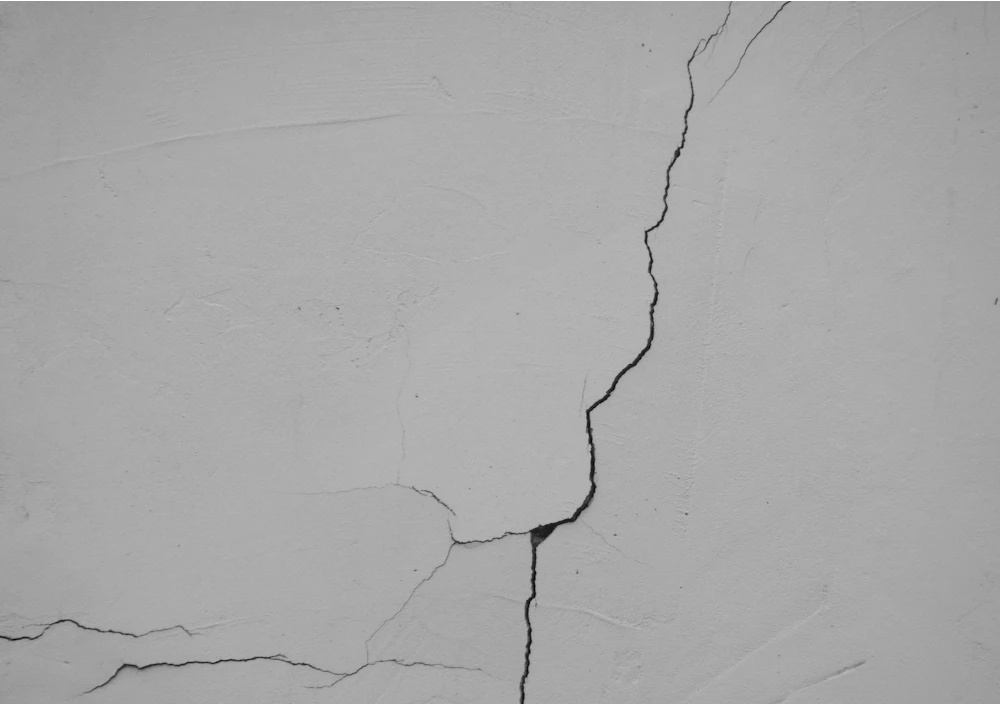
Concrete spalling — visible cracking, flaking, or chunks of concrete separating from a surface, often revealing rusted reinforcing steel underneath — is a maintenance issue that many Florida condominium and HOA boards eventually encounter, particularly in older buildings exposed to the state’s humidity and salt air. Understanding generally what causes spalling, and how to approach restoration as a planned, professionally managed project, helps a board respond appropriately rather than either overreacting or underestimating a real structural maintenance issue.
What Spalling Generally Is and Why It Happens
Concrete structures generally contain embedded steel reinforcing bars that give the concrete its structural strength. When moisture penetrates the concrete and reaches that steel, the steel can begin to corrode and expand, which generally creates internal pressure that cracks and eventually breaks away the surrounding concrete — the visible spalling that boards and residents notice on balconies, columns, and other structural elements.
Why Florida’s Climate Makes This a Particularly Relevant Concern
Humidity and Salt Air Accelerate the Process
Florida’s combination of humidity, heavy rainfall, and in coastal areas, salt air, generally accelerates the moisture penetration and steel corrosion process compared to drier, less corrosive climates, which is part of why concrete restoration has become an increasingly common and significant capital planning topic for Florida associations specifically.
Aging Buildings Face Increasing Exposure
As buildings age, their original waterproofing and protective coatings generally degrade, which can allow moisture penetration to accelerate over time even without any single dramatic event — making this exactly the kind of gradual, easy-to-underestimate maintenance issue that benefits from regular professional inspection rather than only reactive attention once damage becomes visibly obvious.
Identifying and Assessing Spalling
Visible Signs Worth Reporting Promptly
Cracking, discoloration, or visible rust staining on concrete surfaces, particularly on balconies, railings, columns, or exposed slabs, are signs worth reporting to the board or management promptly, rather than assuming they’re purely cosmetic and can wait for a routine inspection cycle.
A Qualified Engineer, Not a General Visual Impression, Should Assess Severity
Once spalling is identified, a qualified structural engineer should assess its actual extent and urgency — some instances are localized and relatively low-urgency, while others may indicate more significant structural concern requiring prompt attention. A board shouldn’t rely on its own general visual impression, or a non-specialized contractor’s casual assessment, to make this determination.
Approaching Restoration as a Planned Capital Project
Understanding the Full Scope Before Starting
A concrete restoration project generally needs to address not just the visible spalled area but also the underlying cause — the specific waterproofing or drainage issue that allowed moisture penetration in the first place — rather than simply patching the visible damage and leaving the association likely to face the same problem again in the same area.
Reflecting Restoration in the Reserve Study
Concrete restoration, particularly for buildings approaching or exceeding a few decades of age, is exactly the kind of major, foreseeable capital expense that should be reflected in the association’s reserve study, consistent with the general approach covered in our guide on reserve studies explained for condo boards, rather than treated as an unplanned emergency when it eventually becomes necessary.
Connecting to Structural Integrity Requirements
For many Florida condominiums, concrete restoration needs connect directly to the broader structural integrity reserve study and inspection requirements covered in our guide on high-rise building inspections — a board should understand how a specific spalling issue fits into these broader, often statutorily relevant, obligations.
Choosing Qualified Professionals
Engineering Assessment Comes First
Before selecting a restoration contractor, a qualified structural engineer should generally assess the problem and specify the appropriate repair approach, giving the association a clear, professionally informed scope to bid out rather than asking contractors to diagnose and propose their own scope independently.
Verify Specific Concrete Restoration Experience
Not every general contractor has genuine experience with structural concrete restoration specifically, and the vendor verification principles covered in our guide on vendor management best practices apply with particular importance here — licensing, insurance, and documented experience with similar restoration projects all matter significantly given the structural stakes involved.
Competitive Bidding for a Project of This Significance
Given the typically significant cost of concrete restoration work, following the competitive bidding process covered in our guide on competitive bidding for vendor contracts is a reasonable and often necessary step.
Communicating With Residents During Restoration
Concrete restoration can involve noise, dust, temporary access restrictions to balconies or common areas, and sometimes scaffolding or protective netting around a building. Clear, honest communication about the scope, reason, and expected timeline for this kind of project reduces resident frustration significantly compared to residents discovering the disruption with no context for why it’s happening or how long it will last.
A Simple Checklist for Concrete Restoration
- Visible spalling or related damage is reported and assessed promptly, not assumed to be purely cosmetic
- A qualified structural engineer, not a general visual impression, determines the actual severity and scope
- The underlying moisture or drainage cause is addressed, not just the visible surface damage
- Restoration needs are reflected in the reserve study and connected to any broader structural integrity requirements
- Contractors are verified for specific restoration experience, with competitive bids obtained for significant projects
Where This Connects to the Rest of Capital Planning
Concrete restoration planning connects directly to the broader reserve planning framework covered in our guide on reserve studies explained for condo boards and the structural compliance considerations described in our guide on high-rise building inspections.