A maintenance request sounds simple — something’s broken, someone reports it, someone fixes it — but without a consistent process, requests get lost, residents get frustrated, and small issues sit unresolved long enough to become expensive ones. A clear, repeatable process fixes most of this.
Why a Consistent Process Matters
When requests come in through whatever channel a resident happens to use that day — a phone call to one board member, a text to another, an email to the management company — nothing is tracked in one place. Something eventually falls through the cracks, and it’s rarely obvious whose fault that was. A single, known channel for maintenance requests solves most of this on its own.
Setting Up the Intake Process
Give Residents One Clear Way to Submit a Request
Whether it’s a phone number, an email address, or an online portal, residents should know exactly where a maintenance request goes. Multiple informal channels (calling whichever board member they know personally) tend to produce duplicate, inconsistent, or simply lost requests.
Capture the Right Information Up Front
A good intake process asks for:
- What the issue is, in the resident’s own words
- Where it’s located (unit number, common area, building)
- When it was first noticed
- Whether it’s urgent (active leak, safety hazard) or routine
Acknowledge Receipt Quickly
Even a short automated or templated response — “we’ve received your request and will follow up within X business days” — reduces the number of follow-up calls asking whether the request went through at all.
Triaging and Prioritizing
Not every request has the same urgency, and treating them all identically either overwhelms urgent issues or over-escalates minor ones. A simple triage framework helps:
- Emergency — active safety hazard, flooding, fire, structural concern: dispatched immediately
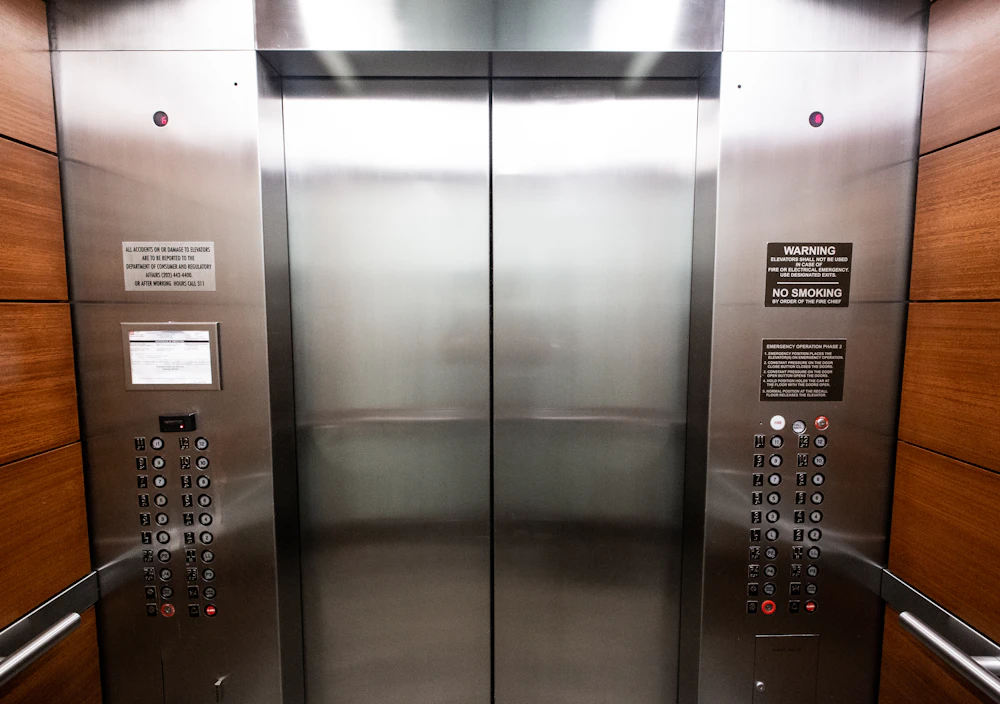
- Urgent — not an immediate safety issue but needs prompt attention (a broken gate, a non-functioning elevator): handled within a short, defined window
- Routine — cosmetic or non-urgent repairs: scheduled in the normal maintenance rotation
Sharing this framework with residents, in general terms, also helps set realistic expectations about response time.
Dispatching the Right Vendor
Once a request is triaged, it needs to go to the right person. That usually means:
- Confirming whether in-house maintenance staff can handle it or whether it needs a licensed vendor
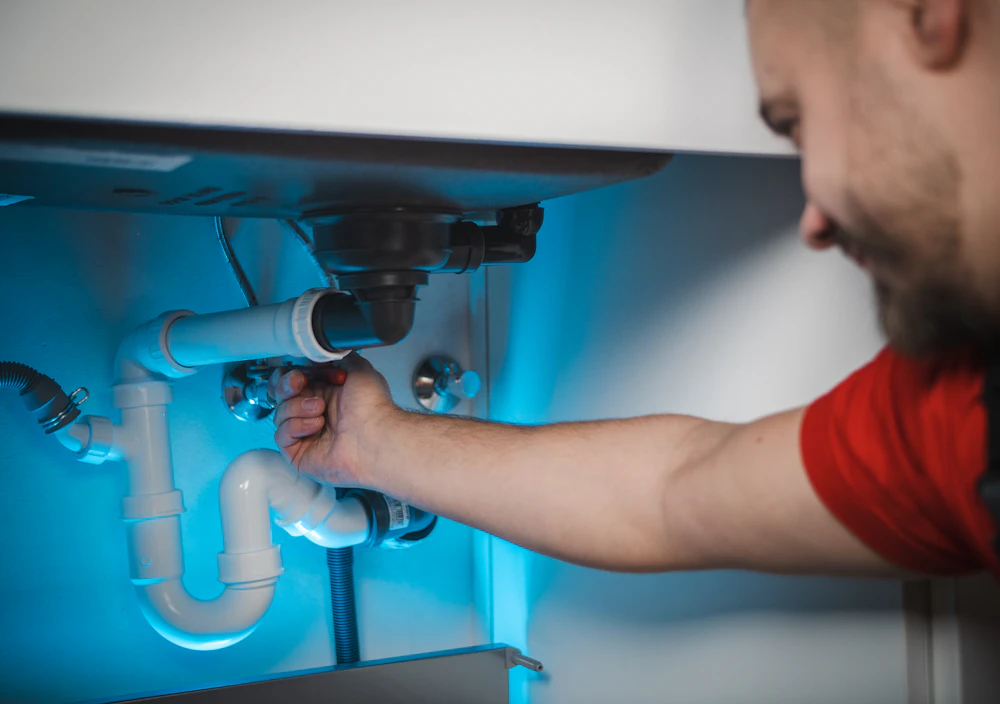
- Checking that the vendor assigned is appropriate for the specific issue (a plumbing issue shouldn’t default to a general handyman if it needs a licensed plumber)
- Giving the vendor enough information up front to avoid an unnecessary extra site visit just to diagnose the problem
Following Up and Closing the Loop
A request isn’t done when the work is finished — it’s done when the resident knows it’s finished. A short follow-up message confirming the work was completed, or explaining a delay if there is one, closes the loop and tends to significantly reduce repeat inquiries about the same issue.
Track Everything in One Place
Whether it’s a spreadsheet or dedicated software, keeping a record of every request — when it came in, how it was triaged, who it was assigned to, and when it was resolved — makes it much easier to spot patterns (a recurring issue in the same unit, a vendor who’s frequently late) over time.
Measuring How the Process Is Working
Once a process is in place, it’s worth periodically checking whether it’s actually functioning the way it’s supposed to, rather than assuming it is because it was set up correctly once. A few simple things to track over time:
- Average time from request to acknowledgment, and separately, from request to resolution
- How many requests required more than one follow-up before being resolved
- Whether urgent requests are consistently being triaged correctly, or whether routine issues are occasionally being escalated unnecessarily (or the reverse)
- Recurring requests tied to the same unit or common-area component, which can indicate an underlying issue that a one-time repair isn’t actually fixing
This kind of simple tracking doesn’t require sophisticated software — even a basic shared log reviewed periodically by the board and management team can surface patterns worth addressing.
Common vs. Association Responsibility
One recurring source of friction is confusion over whether a given repair is the association’s responsibility (common areas, shared systems) or the individual owner’s (typically the interior of their own unit or home). That line is set by the association’s governing documents and, for condominiums in particular, by Florida Statute Chapter 718’s provisions on maintenance responsibility — which can vary by document language and property type. When a request falls into a gray area, it’s worth confirming against the specific governing documents rather than assuming either way, and involving the association’s attorney if a real dispute arises.
Keeping the Process Human, Not Just Efficient
It’s worth remembering that behind every maintenance request is a resident dealing with something inconvenient, and sometimes stressful, in their own home. A process that’s efficient on paper but feels cold in practice — automated messages with no way to reach an actual person, long silences between updates — can leave residents frustrated even when the underlying repair gets done correctly. Building in a simple way for residents to ask a follow-up question, and making sure someone actually answers it, costs little and tends to matter more to how residents experience the association than the speed of the repair itself.
Where This Connects to the Rest of Association Management
A well-run maintenance request process depends on the vendor relationships behind it — see our article on vendor management best practices for the other half of this picture. Our maintenance and vendor coordination service handles both the intake process and the vendor oversight described here, and our emergency response service covers the urgent end of that same spectrum.