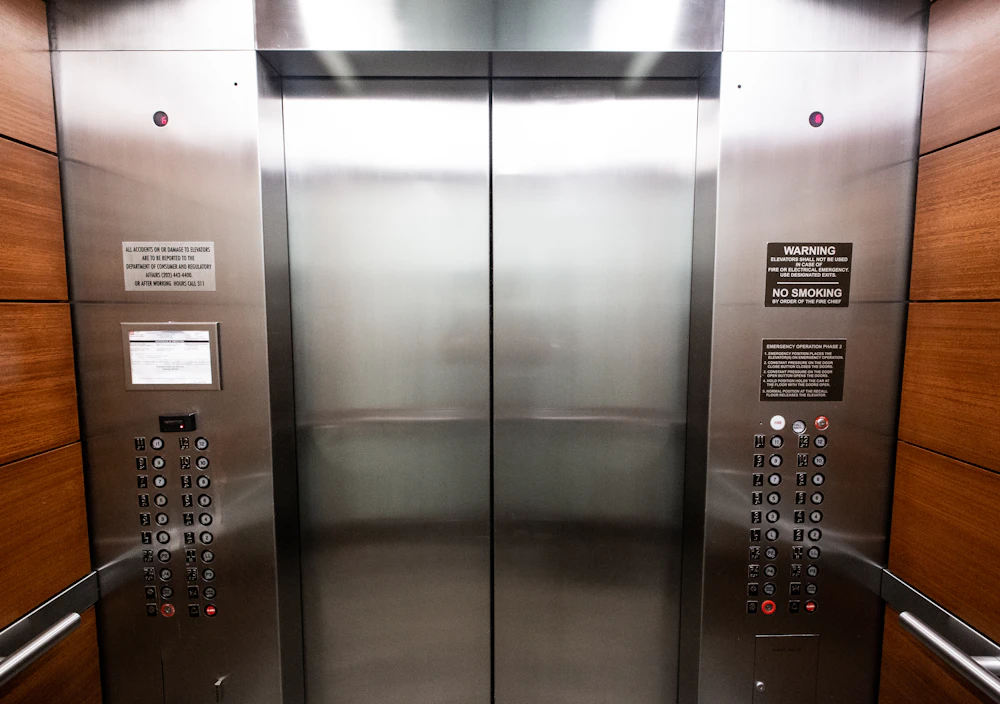
For a high-rise or mid-rise building, the elevator isn’t just an amenity — it’s essential infrastructure that residents, guests, vendors, and emergency responders all depend on daily. Yet elevator maintenance and planning often gets less board attention than more visible concerns like landscaping or pool upkeep, partly because elevators tend to work quietly in the background until they don’t.
Why Elevator Maintenance Deserves Dedicated Attention
Unlike many building systems, elevator downtime has an immediate, visible, and disproportionate effect on residents — especially in a building with mobility-limited residents, where a single elevator out of service can mean real hardship, not just inconvenience. This makes elevator reliability one of the areas where deferred maintenance costs show up fastest in resident complaints, even if the dollar amounts involved aren’t always the largest line item in the budget.
Routine Maintenance: What It Generally Covers
A standard elevator maintenance contract typically includes regular preventive service — lubrication, adjustment, component inspection — performed by a licensed elevator technician on a recurring schedule set by the vendor and applicable regulation. Our broader guide on preventive maintenance schedules covers how recurring maintenance generally fits into an association’s overall maintenance planning; elevators are simply one of the more specialized, higher-stakes categories within that framework.
What a Board Should Confirm Is Actually Included
Not every maintenance contract covers the same scope. Some include parts and labor for routine repairs within the base fee; others bill repairs separately, with the base fee covering only scheduled preventive visits. A board should understand clearly what’s included, and what triggers an additional charge, before assuming the monthly maintenance fee covers everything an elevator might need.
Response Time for Breakdowns
Beyond routine maintenance, the contract should specify expected response times for an actual breakdown or entrapment, and whether 24-hour emergency response is included. An elevator that’s down for days because the maintenance contract doesn’t guarantee a fast response creates a real hardship for residents that a faster-responding contract, even at a higher cost, might prevent.
Modernization: A Different Kind of Decision
Recognizing When Modernization, Not Just Maintenance, Is Needed
An elevator that requires increasingly frequent repairs, or whose components are no longer readily available because the system is outdated, is signaling that routine maintenance has reached its practical limits. This is a different conversation from ordinary maintenance — one that connects directly to the repair-versus-replace thinking covered in our guide on when to repair vs. replace major components.
Planning for Modernization Costs Well in Advance
Elevator modernization is a significant capital expense that should be tracked explicitly in the association’s reserve study, with its own realistic timeline based on the system’s age and condition — not treated as a surprise when the elevator finally reaches the point where ongoing patches no longer make sense. Our guide on reserve studies for condo boards covers how major components like this get planned for financially.
Minimizing Disruption During Modernization
A modernization project typically takes an elevator out of service for an extended period, which is a genuinely difficult stretch for residents in a building that depends on it. Boards that plan modernization well tend to communicate the timeline clearly in advance, consider whether the project can be scheduled to minimize overlap with other disruptive work, and think through interim arrangements (if the building has multiple elevators, staggering work so at least one remains in service) wherever feasible.
Managing Downtime When It Happens
Communicate Promptly and Honestly
When an elevator goes down unexpectedly, residents want to know what happened and roughly when it will be fixed, even if the honest answer is “we don’t know yet, next update by [time].” Silence tends to generate more frustration and anxious calls than a direct, if imperfect, update.
Have a Plan for Residents Who Depend on the Elevator
For a building with elderly or mobility-limited residents, an extended elevator outage isn’t just an inconvenience — it can be a genuine hardship. Some associations maintain a basic plan for these situations (checking in on affected residents, coordinating temporary alternatives where possible) rather than treating an outage as purely a maintenance issue with no resident-welfare dimension.
Document the Incident and the Vendor’s Response
Keeping a record of outages, their causes, and how quickly the vendor responded creates a useful history for evaluating whether the current maintenance contract and vendor relationship are actually serving the building well, independent of any single incident.
Building Elevator Costs Into Long-Term Planning
Because elevator modernization costs can be substantial and the timeline for needing it is often visible well in advance through increasing repair frequency, this is an area where a board genuinely benefits from planning years ahead rather than reacting once the system becomes unreliable. Revisiting the elevator’s condition and expected remaining life as part of each reserve study update, rather than treating it as a one-time assessment, keeps the board’s planning aligned with how the system is actually aging.
A Simple Checklist for Elevator Oversight
- The current maintenance contract’s scope — what’s included versus billed separately — is clearly understood
- Emergency response time commitments are documented and have actually been tested against real experience
- Elevator modernization is tracked as its own line item in the reserve study, with a realistic timeline
- A communication plan exists for unexpected outages, including consideration for residents with mobility needs
Where This Fits Into Our Services
Elevator and building system oversight is part of our maintenance and vendor coordination service, and connects directly to the capital planning described in our guide on repair vs. replace decisions and our broader work with high-rise condo communities.