An irrigation system that’s working properly is easy to take for granted — landscaping stays healthy, water bills stay predictable, and nobody thinks much about the system itself. An irrigation system with a hidden leak, a broken valve, or a controller stuck on an outdated schedule, by contrast, can quietly drive up water costs and either overwater or underwater landscaping for weeks before anyone notices the underlying cause.
Why Irrigation Deserves Its Own Preventive Maintenance Attention
Our broader guide on preventive maintenance schedules for boards covers the general value of proactive inspection across building and property systems. Irrigation systems are a particularly good example of where preventive attention pays off directly and visibly — a small, undetected leak can waste a genuinely significant amount of water (and money) over time before it becomes obvious through a visibly soggy area or an unusually high water bill.
Common Irrigation Problems Worth Catching Early
Leaks and Broken Components
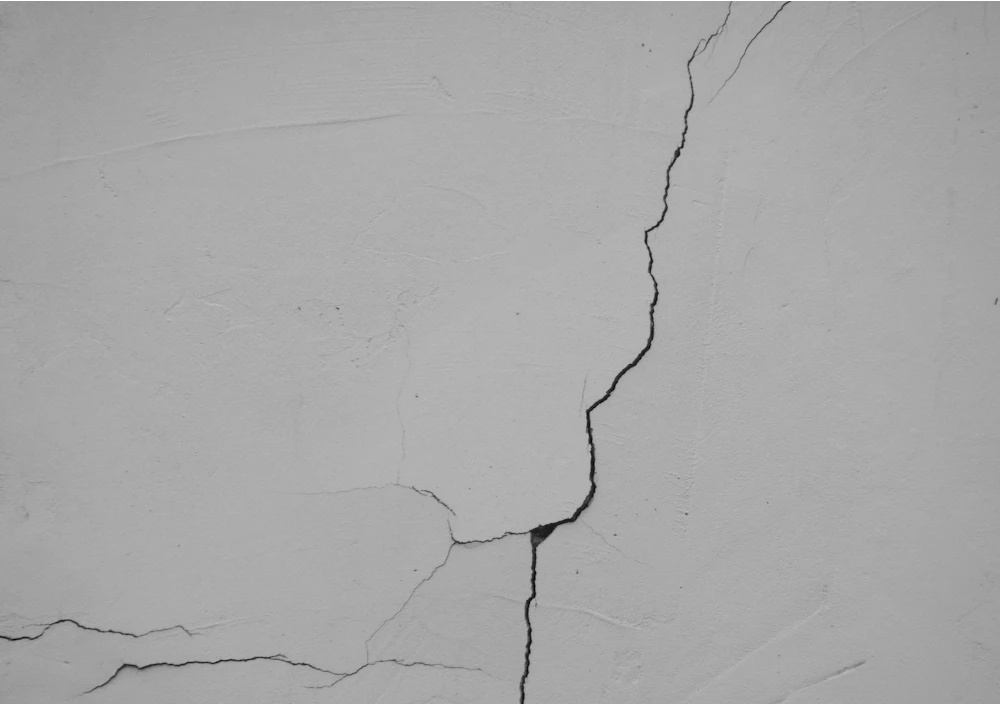
Cracked pipes, broken sprinkler heads, and failing valves are common sources of water waste that aren’t always immediately visible, especially for underground components. Regular system walkthroughs, ideally performed by a landscaping or irrigation professional, can catch these issues well before they become major sources of waste or property damage.
Misaligned or Clogged Sprinkler Heads
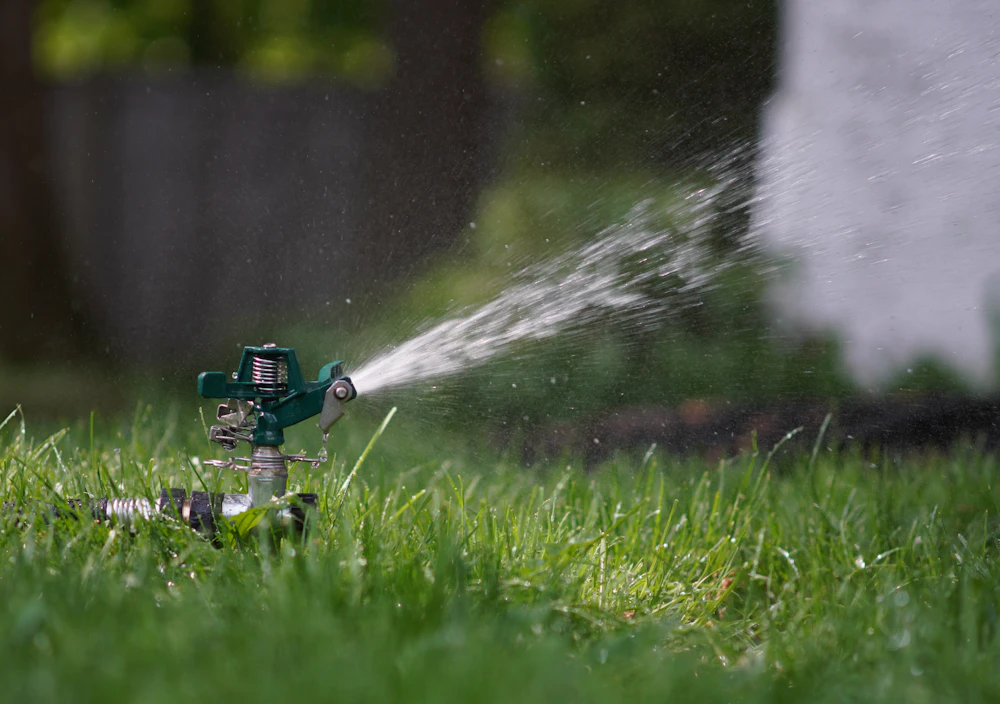
A sprinkler head that’s become misaligned — watering a sidewalk or a building wall rather than the intended landscaping — wastes water without actually benefiting the landscaping it’s meant to serve, and over time can contribute to unwanted water intrusion issues near building foundations.
Outdated or Malfunctioning Controllers
An irrigation controller that hasn’t been updated to reflect seasonal changes, actual rainfall, or a changed landscaping layout can run on a schedule that no longer matches the property’s actual watering needs, wasting water during wet periods or underwatering during dry ones.
Building a Routine Maintenance Approach
Regular Professional Inspections
A landscaping or irrigation professional conducting routine system checks — confirming each zone operates correctly, checking for leaks, and verifying the controller’s current schedule matches actual conditions — catches most common problems before they become expensive.
Seasonal Schedule Adjustments
Florida’s rainfall patterns vary meaningfully across the year, and an irrigation schedule that isn’t adjusted seasonally risks either wasting water during the rainy season or underwatering during drier periods. This connects directly to the water efficiency principles covered in our guide on water-wise landscaping for communities.
Prompt Repair of Identified Issues
A small leak or a single malfunctioning sprinkler head is generally inexpensive to repair promptly, compared to the cumulative water waste and potential secondary damage (like erosion or foundation moisture issues) that can result from leaving it unaddressed.
Monitoring Water Usage as an Early Warning System
Reviewing Water Bills for Unusual Changes
A noticeable, unexplained increase in water usage compared to the same period in a previous year is often one of the first practical signs of an irrigation system problem, even before the issue becomes visible on the ground. Reviewing water bills with this in mind, rather than only noticing a cost increase after it’s become significant, allows for a much faster response.
Smart Irrigation Controllers
Some modern irrigation controllers can track water usage by zone and alert to unusual flow patterns that may indicate a leak, offering an additional layer of early detection beyond periodic manual inspection alone.
Connecting Irrigation Maintenance to the Broader Budget
Reflecting Realistic Maintenance Costs
Routine irrigation maintenance and occasional repairs are a predictable operating cost that should be reflected realistically in the association’s operating budget, rather than treated as an unplanned expense each time an issue surfaces.
Major System Upgrades Belong in Capital Planning
A significant irrigation system overhaul or expansion — as opposed to routine maintenance — is more appropriately planned as a capital project, consistent with the broader planning framework covered in our guide on when to repair vs. replace.
Choosing a Qualified Irrigation Vendor
Experience With Commercial or Large-Scale Systems Matters
A common-area irrigation system is generally more complex than a typical residential home system, often involving multiple zones, larger-scale equipment, and sometimes connections to a community pond or retention area for water sourcing. Confirming that a prospective vendor has genuine experience with systems of this scale and complexity, consistent with the vendor verification principles covered in our guide on vendor management best practices, helps avoid hiring someone whose experience is limited to smaller residential work.
Clear Scope in the Service Contract
A written service contract that clearly defines what’s included in routine maintenance versus what would be billed as an additional repair helps avoid confusion or dispute when an issue is identified during a routine visit, giving both the association and the vendor a shared, clear understanding of the relationship’s actual scope.
Irrigation and Stormwater Systems Can Be Connected
In some communities, the irrigation system draws from or interacts with a retention pond or stormwater management system, which means a problem in one system can sometimes affect the other. A vendor or engineer familiar with how these systems interact at the specific property can help the board understand this connection, rather than evaluating irrigation and stormwater maintenance as entirely unrelated issues when they may, in practice, share real dependencies.
A Simple Checklist for Irrigation System Maintenance
- Regular professional inspections occur on a predictable schedule, not only after a problem becomes visible
- Irrigation schedules are adjusted seasonally to reflect actual rainfall and landscaping needs
- Water bills are reviewed regularly for unusual changes that might indicate a hidden leak
- Minor issues are repaired promptly rather than left to accumulate
- Routine maintenance costs are reflected realistically in the operating budget
Where This Connects to the Rest of Property Maintenance
Irrigation system maintenance connects directly to the broader preventive maintenance principles covered in our guide on preventive maintenance schedules for boards and the water efficiency planning described in our guide on water-wise landscaping for communities.