Landscaping is one of the most visible, most consistently budgeted line items in nearly every community association, and it’s also one of the areas where a water-wise approach can meaningfully reduce ongoing costs without necessarily sacrificing the appearance residents expect and, often, chose the community for in the first place.
Why This Is Worth a Board’s Attention
Irrigation costs are a recurring, predictable operating expense, and in many South Florida communities, a genuinely significant one. Reducing water use isn’t just an environmental consideration — it has a direct, ongoing effect on the operating budget covered in our guide on how to read an HOA budget, and the savings compound every year rather than being a one-time benefit.
What Water-Wise Landscaping Actually Involves
Irrigation System Efficiency
A surprising amount of water waste comes not from plant choice but from an irrigation system that’s poorly calibrated, watering on a fixed schedule regardless of actual rainfall, or watering areas (like a hardscaped walkway) that don’t need it at all. Smart irrigation controllers that adjust based on weather data, combined with periodic system audits to catch broken heads or misdirected spray, often produce meaningful savings before a single plant is changed.
Plant Selection Suited to the Climate
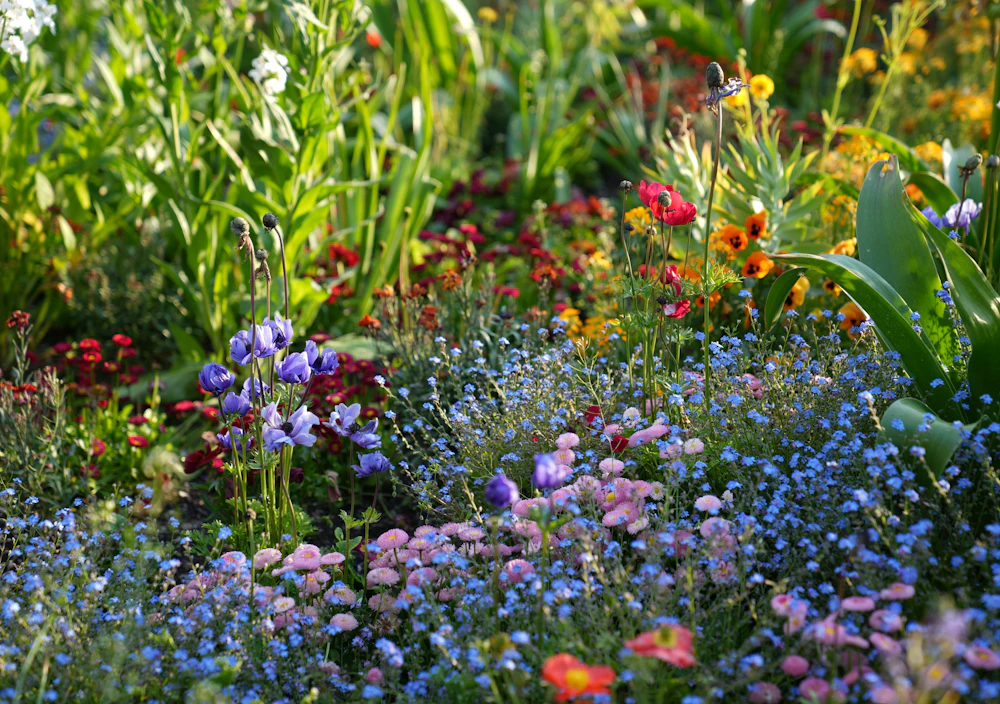
Choosing drought-tolerant, Florida-friendly plant varieties suited to the specific conditions of South Florida — rather than higher-maintenance plants that demand more consistent watering to thrive — reduces ongoing water needs while still providing attractive, full landscaping. A landscape professional with genuine regional experience, not generic water-wise advice written for a different climate, is worth the conversation here.
Grouping Plants by Water Need
Landscaping that groups plants with similar water requirements together (rather than mixing high- and low-water plants in the same irrigation zone) allows for more precise watering — each zone gets exactly what it needs rather than overwatering low-need plants to satisfy higher-need neighbors in the same zone.
Soil Health and Mulching
Healthy soil retains moisture more effectively, reducing how often irrigation is needed, and mulched beds reduce evaporation and weed competition for water. These are often lower-cost interventions compared to a full landscape redesign, with a meaningful cumulative effect on water use.
Balancing Water Savings With Resident Expectations
Curb Appeal Still Matters
A community association’s landscaping is often part of what sold residents on the community in the first place, and a water-wise approach that results in a visibly sparse or unkempt-looking landscape can generate real resident pushback, regardless of the cost savings behind it. The goal is reducing water use while maintaining an attractive, well-maintained appearance — not simply doing less landscaping.
Introduce Changes Gradually Where Possible
A sudden, wholesale landscape change can feel jarring to residents accustomed to the existing look. Phasing changes — starting with irrigation efficiency improvements that residents won’t necessarily notice, then gradually introducing plant changes in less prominent areas before more visible ones — tends to generate less friction than an abrupt, highly visible transformation.
Communicate the Reasoning
Residents who understand that a landscaping change is intended to reduce costs (and, by extension, keep dues more stable) tend to be more receptive than residents who simply notice an unexplained change and assume the association stopped caring about appearance. This connects to the broader resident communication practices covered in our guide on choosing communication tools for your association.
Working With the Right Landscape Vendor
Not every landscaping company has genuine expertise in water-wise approaches specifically, as opposed to simply maintaining whatever landscape design already exists. The same vendor evaluation principles covered in our guide on vendor management best practices apply here — asking a prospective vendor directly about their specific experience with water-efficient landscaping in the South Florida climate, and asking for examples of similar projects, tends to surface the difference between genuine expertise and a generic sales pitch.
Planning the Transition as a Capital and Operating Decision
A significant landscape redesign is a capital expense; changes to irrigation controllers and ongoing maintenance practices are more often operating-budget items. Keeping these categorized correctly, consistent with the distinction covered in our guide on reserve budget vs. operating budget, helps the board understand the real cost structure of a water-wise transition rather than treating it as a single undifferentiated project.
Measuring Whether the Changes Are Actually Working
Once irrigation or planting changes are in place, it’s worth tracking actual water usage over time — comparing utility bills or metered irrigation data before and after the change — rather than assuming the changes are working simply because they were implemented. If savings don’t materialize as expected, that’s useful information pointing to either an implementation issue (a controller not actually programmed correctly) or a need to revisit the approach, rather than something to discover only when the next irrigation bill arrives unchanged.
A Simple Checklist for a Water-Wise Landscaping Approach
- An irrigation system audit has been conducted to identify waste before any plant changes are considered
- Plant selections are chosen specifically for South Florida conditions, not generic water-wise guidance
- Changes are planned in phases to avoid an abrupt, jarring shift in appearance
- Residents are informed of the reasoning behind the changes, not just the changes themselves
- Capital and operating costs are categorized correctly for budgeting purposes
Where This Fits Into Our Services
Water-wise landscaping planning is part of our broader maintenance and vendor coordination service, and connects to the renovation planning described in our guide on planning a common-area renovation.