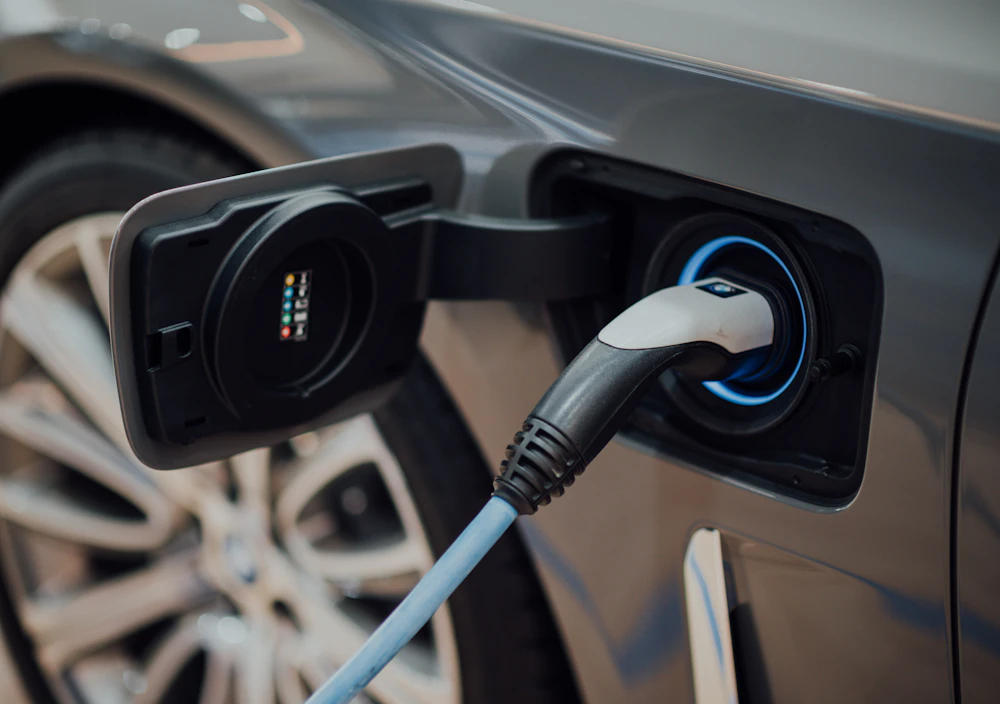
As electric vehicles become more common, HOA and condominium boards increasingly field questions from owners about installing charging equipment — whether at an individually assigned parking space, in a shared garage, or as a broader amenity for the whole community. This is a genuinely practical topic that touches electrical capacity, common-element modification, cost allocation, and in some respects, Florida law specifically addressing EV charging requests, and boards benefit from approaching it deliberately rather than reactively the first time an owner asks.
Understanding the General Landscape Before a Specific Request Arrives
Confirm Current Legal Requirements With Counsel
Florida law has addressed certain aspects of EV charging requests for associations in recent years, and the specific current requirements — including any limits on an association’s ability to deny a reasonable request, and what conditions it can reasonably impose — should be confirmed directly with qualified legal counsel rather than assumed from general awareness that “there’s a law about this” without knowing its actual current substance.
This Is a Rapidly Evolving Area
Because EV adoption and the associated legal and technical landscape are both evolving relatively quickly, a board’s understanding from even a few years ago may already be outdated. Revisiting this topic with current legal and technical guidance, rather than relying on an earlier policy that was reasonable at the time it was adopted, protects against operating on outdated assumptions.
Individual Installations at Assigned Parking Spaces
Electrical Capacity Is the First Practical Question
Before approving an individual charger installation, understanding whether the specific parking area’s existing electrical infrastructure can actually support it — without creating problems for other circuits or systems — is a genuine engineering question that needs a qualified electrician or electrical engineer’s assessment, not a general assumption either way.
Who Pays for What
A reasonable policy generally clarifies who bears the cost of the installation itself (typically the requesting owner), who bears the cost of any shared infrastructure upgrade the installation might require, and how ongoing electricity costs for the charger are metered and billed, so that the cost of one owner’s charger doesn’t end up quietly subsidized by the broader membership through undifferentiated common electricity costs.
Aesthetic and Installation Standards
Where a charger installation involves visible equipment or conduit, reasonable aesthetic and installation standards — similar in spirit to the architectural review principles covered in our guide on architectural review committees — help keep individual installations looking reasonably consistent rather than creating a visibly inconsistent patchwork across a shared parking area.
Shared or Amenity-Level Charging Stations
A Different Kind of Decision Than an Individual Request
Installing shared charging stations as a community amenity, rather than responding to individual owner requests, is a capital and amenity decision the board makes proactively, similar in spirit to other amenity decisions covered in our guide on managing community amenities: pools, gyms, and clubhouses, and deserves the same kind of deliberate cost-benefit evaluation before committing community funds.
Usage and Cost Recovery for Shared Stations
A shared charging station generally needs some mechanism for recovering the actual electricity cost from the vehicle owners using it — whether through a metered payment system or another cost-recovery approach — rather than the cost being absorbed into general common-area electricity expenses paid by every owner regardless of whether they actually use the charging station.
Electrical Capacity Planning for the Building as a Whole
A Building-Wide Assessment Is Worth Doing Proactively
Rather than addressing each individual request in isolation, having a qualified electrical engineer assess the building’s overall capacity and realistic ability to support a growing number of EV chargers over time — now and as adoption likely increases — gives the board a much more informed basis for both individual request decisions and any broader capital planning.
Reflecting Anticipated Upgrades in Capital Planning
If an engineering assessment suggests the building will likely need an electrical capacity upgrade to support growing EV charging demand over the coming years, that anticipated cost belongs in the kind of forward-looking capital and reserve planning covered in our guide on reserve studies explained for condo boards, rather than being addressed only reactively once capacity constraints actually cause a problem.
Building a Clear, Written Policy
Clarity Protects Both the Board and Requesting Owners
A clear, written policy addressing the process for requesting an individual installation, the cost allocation approach, and any applicable aesthetic or technical standards gives both the board and owners a consistent framework to work from, rather than negotiating each request from scratch with no established precedent to guide the conversation.
Review the Policy Periodically as the Technology and Law Evolve
Given how quickly both EV technology and the applicable legal landscape are evolving, a policy adopted today may need meaningful revision within just a few years. Building in a periodic review, rather than treating the policy as a permanent, unchanging document, keeps it genuinely useful as circumstances change.
A Simple Checklist for EV Charging Policies
- Current legal requirements around EV charging requests are confirmed with qualified counsel, not assumed
- A qualified electrician or engineer has assessed actual electrical capacity before any installation is approved
- Cost allocation for installation and ongoing electricity use is clearly defined and fairly structured
- Aesthetic and installation standards are reasonable and consistently applied
- The policy is reviewed periodically to stay current with evolving technology and law
Where This Connects to the Rest of Community Governance
EV charging policy connects directly to the broader architectural review principles covered in our guide on architectural review committees and the capital planning framework described in our guide on reserve studies explained for condo boards.