Amenities are often what sells a community in the first place — a pool, a fitness center, a clubhouse available for private events — but they’re also a disproportionately common source of maintenance cost, liability exposure, and resident friction relative to how much of the property they actually occupy. Managing them well requires more structure than simply keeping the gate unlocked and the water blue.
Access and Usage Rules
Define Who Can Use What, Clearly
Governing documents should specify who’s entitled to use each amenity — owners, their household members, guests, tenants — and any limits (guest caps, hours of operation, reservation requirements for the clubhouse). Ambiguity here is one of the most common sources of resident disputes, particularly around guest policies and tenant access.
Set a Clear, Enforceable Reservation Process for Shared Spaces
A clubhouse or event space that multiple residents might want for the same date needs a first-come, first-served (or similar) reservation system, ideally with a clear cancellation policy and, where appropriate, a security deposit for cleanup or damage. Treating reservations informally — whoever asks first, verbally — tends to produce disputes that a documented system avoids.
Safety Considerations
Pool Safety and Signage
Florida has specific public health regulations governing pool depth markings, required signage, and safety equipment, which apply to association pools depending on their classification. These requirements are specific and have been updated over time, so rather than restate them, this article points boards toward confirming current requirements directly with their pool maintenance vendor or the relevant health authority — treating a pool as compliant based on how it looked when first built, without reconfirming against current requirements, is a common and avoidable gap.
Equipment Inspection and Maintenance Records
Pool pumps, fitness equipment, playground structures, and clubhouse systems (HVAC, kitchen equipment if applicable) all need their own maintenance schedules — our broader guide on preventive maintenance schedules covers how to build and maintain that kind of schedule generally.
Supervision and Liability
Most community amenities operate unsupervised, which shifts a meaningful amount of responsibility onto clear signage, posted rules, and functioning safety equipment rather than active staff oversight. Boards should understand, in general terms, what their liability insurance covers in the event of an injury at an amenity — a topic covered in more depth in our guide on understanding your association’s master insurance policy.
Common Sources of Amenity-Related Friction
Overcrowding at Peak Times
A pool or fitness center that feels pleasant on a quiet weekday afternoon can feel entirely different on a busy weekend. Some associations address this with capacity guidelines or guest limits during peak periods; others simply accept the tradeoff. Either way, having a stated position — rather than letting frustration simmer unaddressed — tends to reduce complaints.
Noise and Hours of Operation
Clubhouse events, late-night pool use, and early-morning gym traffic can all generate noise complaints from nearby residents. Clear posted hours, consistently enforced, address most of this before it becomes a recurring dispute.
Deferred Maintenance That Residents Notice Immediately
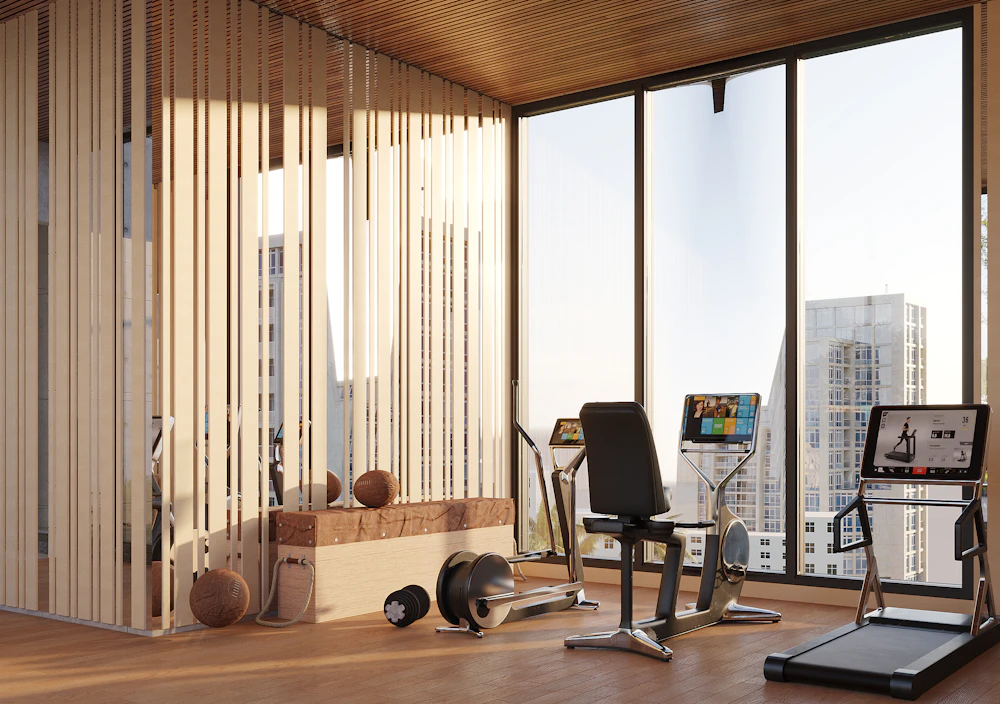
Amenities are highly visible, which means deferred maintenance here — a broken pool heater, a gym with equipment out of service for months — tends to generate disproportionate resident frustration relative to less visible deferred maintenance elsewhere on the property. This is part of why amenity maintenance often deserves priority in the preventive maintenance schedule, even when the dollar cost is modest compared to larger capital items.
Budgeting for Amenities Realistically
Amenities are often underbudgeted relative to how much residents actually value and use them. A pool heater, a commercial-grade gym treadmill, or a clubhouse kitchen’s appliances don’t last forever, and the cost of replacing them can catch a board off guard if it was never explicitly planned for. Treating amenity components as their own line items in the reserve study — rather than lumping them into a generic “building maintenance” category — makes it far easier to see what’s actually coming and when, in the same way our guide on reserve studies for condo boards describes for the rest of the property’s major components.
Deciding Whether to Add a New Amenity
Boards occasionally face the opposite question — not how to manage an existing amenity, but whether to add a new one. A proposed pickleball court, a dog park, or an upgraded fitness center can genuinely add value to a community, but it also adds a permanent maintenance and insurance obligation that doesn’t go away once the initial excitement fades. Before committing, it’s worth asking who will actually use it regularly, what it will cost to maintain annually (not just to build), and whether the association’s reserves and operating budget can realistically absorb an ongoing obligation rather than just the upfront expense.
A Simple Amenity Management Checklist
- Governing documents clearly define who can use each amenity and under what conditions
- A documented reservation process exists for any space multiple residents might want simultaneously
- Pool signage and safety equipment have been confirmed against current requirements, not just assumed compliant from when the pool was built
- Each amenity has its own maintenance schedule, reviewed on a cadence that matches its actual wear and usage
- The board understands what the association’s liability coverage addresses for amenity-related injuries
Where This Fits Into Our Services
Amenity oversight is part of the broader scope of our HOA and community management and maintenance and vendor coordination services — coordinating the vendors who service pools, gyms, and clubhouses, and helping boards set clear, enforceable usage policies before friction becomes a recurring complaint.