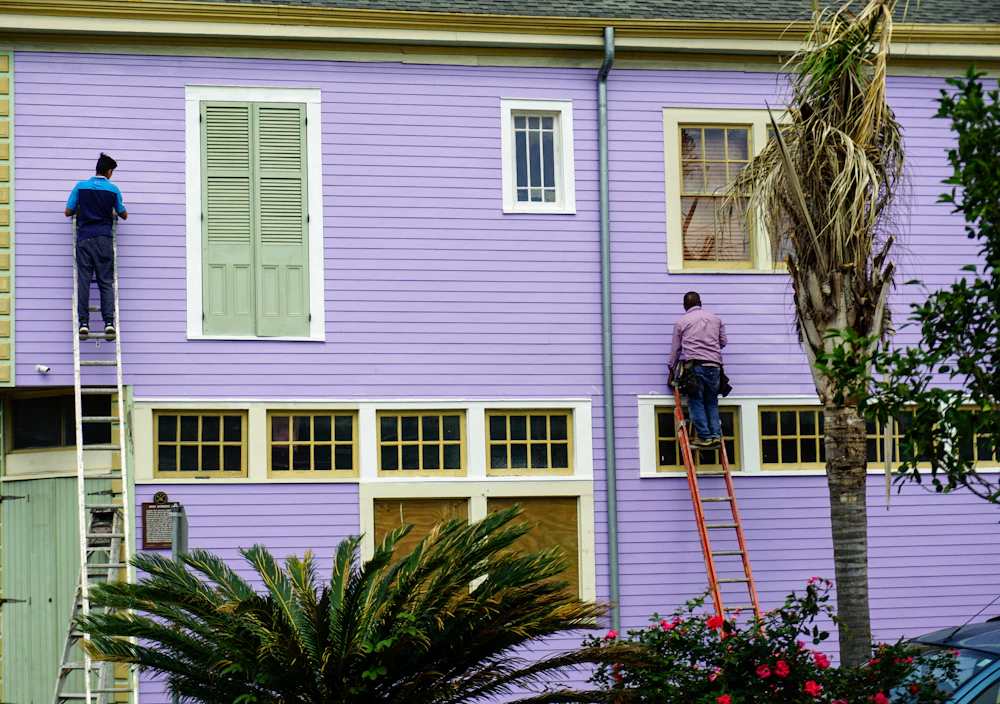
Exterior painting is one of the more visible, large-scale maintenance projects an association will undertake, and also one of the more predictable ones — unlike an emergency repair, a repainting cycle can and should be planned years in advance, both for budgeting purposes and for minimizing disruption when the project actually happens.
Why Painting Deserves Its Own Planning Cycle
Exterior paint isn’t purely cosmetic — it’s also a protective layer against moisture intrusion and general weathering, which means a repainting cycle that’s deferred too long can contribute to underlying damage beyond just a tired-looking building. Treating painting as a planned capital cycle, similar to the broader framework covered in our guide on when to repair vs. replace, helps an association stay ahead of both the cosmetic and protective function of exterior paint.
Understanding the Realistic Painting Cycle
Cycle Length Varies by Climate and Paint Quality
Florida’s intense sun exposure and humidity generally shorten the realistic lifespan of exterior paint compared to less demanding climates, and the quality of paint and preparation used in the previous painting cycle significantly affects how long the current paint job will actually last.
A Professional Assessment Beats a Generic Assumption
Rather than assuming a fixed cycle length applies universally, having a painting contractor or reserve study professional assess the specific building’s current paint condition gives a much more accurate sense of how much time remains before the next cycle is genuinely needed.
Budgeting for a Painting Project
Reflecting Painting in the Reserve Study
Exterior painting is a classic reserve study component — infrequent, high-cost, and entirely predictable in the sense that it will definitely need to happen again eventually, consistent with the general approach covered in our guide on reserve studies explained for condo boards. A reserve study that underestimates either the cycle length or the realistic cost of a full repainting project can leave the association short when the time actually comes.
Accounting for More Than Just Paint and Labor
A full exterior painting project often involves pressure washing and surface preparation, minor stucco or siding repair discovered during preparation, and potentially scaffolding or lift equipment for taller buildings. A budget based only on paint and straightforward labor costs frequently underestimates the full project scope.
Choosing a Painting Contractor
Verify Experience With Similar Buildings
Not every painting contractor has genuine experience with the specific building materials, height, and climate challenges relevant to Florida multifamily buildings. The general vendor verification principles covered in our guide on vendor management best practices apply directly here — licensing, insurance, and specific relevant experience all matter.
Get Competitive Bids for a Project of This Scale
Given the typically significant cost of a full exterior painting project, following the competitive bidding process covered in our guide on competitive bidding for vendor contracts is a reasonable and often necessary step, rather than simply going with a single familiar contractor without comparison.
Minimizing Disruption During the Project
Sequence and Communicate the Schedule
Painting projects typically move through a building in sections, and communicating which areas will be affected and when — including any temporary restrictions on balcony use or window access — helps residents plan around the disruption rather than being caught by surprise.
Protect Landscaping and Common Areas
Painting projects can involve overspray, dropped materials, or equipment staging that affects landscaping and common areas if not properly protected. Confirming the contractor’s plan for protecting these areas before work begins avoids unnecessary secondary cleanup costs.
Coordinating Painting With Other Capital Work
Combining Projects Can Save Money
If the association anticipates other exterior work in a similar timeframe — stucco repair, balcony restoration, or similar projects — coordinating the timing with the painting cycle can reduce total cost by sharing scaffolding, lift equipment, or site preparation across multiple projects rather than mobilizing separately for each one.
Avoid Painting Right Before Other Disruptive Work
Conversely, painting shortly before a different major project that will disturb the same surfaces — a planned roof replacement, for example — risks damaging fresh paint and wasting the investment. Reviewing the broader capital plan before finalizing a painting schedule, rather than scheduling it in isolation, helps avoid this kind of avoidable sequencing mistake.
Choosing Colors as Part of the Process
Involve Residents Appropriately, Without Creating Endless Debate
A repainting project is often a reasonable opportunity to revisit the building’s color scheme, and some associations choose to involve residents in that decision through a survey or informal input process. Setting clear boundaries on how that input will be used — and by when a final decision needs to be made — helps keep the process moving rather than stalling indefinitely over aesthetic preferences that are, by nature, somewhat subjective.
Confirm Any Color Change Against Community-Wide Consistency
In communities with multiple buildings, any color change should generally be considered for consistency across the property rather than decided building by building, since a patchwork of differing color schemes across what’s meant to be a unified community can create its own aesthetic and resale-value concerns down the line.
A Simple Checklist for Planning a Painting Cycle
- The realistic condition and remaining life of the current exterior paint is professionally assessed, not assumed from a generic industry figure
- The reserve study reflects an accurate painting cycle length and full realistic project cost
- The contractor selected has verified licensing, insurance, and specific relevant experience
- Competitive bids were obtained for a project of this scale
- Residents receive clear advance communication about the project schedule and any temporary restrictions
Where This Connects to the Rest of Capital Planning
Painting cycle planning connects directly to the broader capital planning framework covered in our guide on when to repair vs. replace and the long-term reserve planning described in our guide on reserve studies explained for condo boards.