Once the immediate aftermath of a storm or other major emergency has passed — the damage assessed, the urgent repairs underway, residents reasonably settled — it’s tempting for a board to simply move on to the next thing on an already full agenda. Skipping a structured debrief, though, means the association loses the one moment when the lessons of what just happened are freshest and most useful.
Why a Debrief Deserves Its Own Deliberate Step
Our guide on building an emergency communication plan covers how to prepare before an emergency; this article covers what happens after one — specifically, how to turn a real event into concrete improvements rather than letting the experience fade into vague impressions that never quite translate into action.
When to Hold the Debrief
A debrief works best once the immediate crisis response has wound down but while details are still fresh — generally within a few weeks of the event, not months later when specifics have blurred and the people involved have moved on mentally. Waiting until the next regularly scheduled board meeting, if that’s months away, risks losing the detail that makes a debrief actually useful.
What a Structured Debrief Should Cover
What Actually Happened, in Sequence
Before jumping to conclusions about what went wrong, it helps to simply reconstruct the actual timeline — when the storm or emergency began, when specific decisions were made, when communications went out, when repairs started. A clear factual timeline, without judgment yet, is the foundation for everything else.
What Worked Well
It’s easy for a debrief to focus entirely on problems, but identifying what actually worked — a vendor who responded quickly, a communication approach that kept residents informed, a backup power system that performed as expected — matters just as much, both to reinforce good practices and to avoid the demoralizing effect of a debrief that reads as pure criticism.
Where Communication Broke Down
Nearly every post-emergency debrief surfaces some communication gap — residents who didn’t get an update when expected, conflicting information from different sources, a designated point of contact who got overwhelmed. Identifying these specifically, rather than in vague terms, makes it possible to actually fix the underlying process, connecting directly to the kind of plan described in our guide on building an emergency communication plan.
Where Vendors or Systems Underperformed
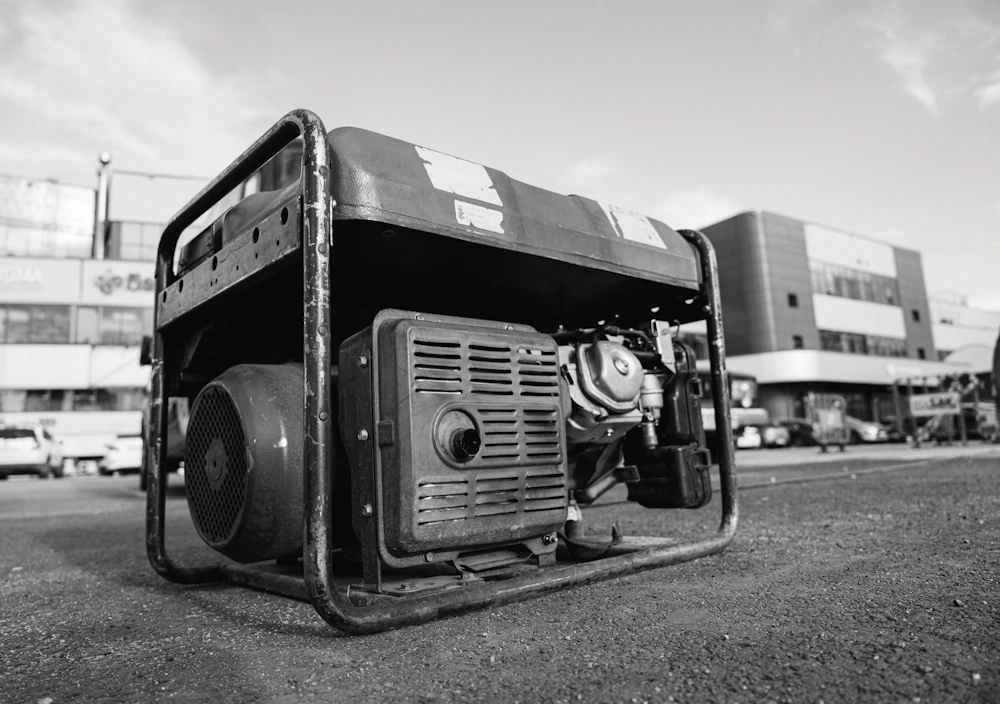
If a generator failed to start, if an emergency vendor took longer than expected to respond, or if a specific system didn’t perform as planned, the debrief is the moment to document this clearly and decide whether it reflects a one-time issue or a pattern worth addressing — whether that means a conversation with a vendor, a maintenance schedule change, or a capital investment, as discussed in our guide on backup power and generators.
What Residents Actually Experienced
Where feasible, gathering some direct resident feedback — even informally — about what the response felt like from their side can surface issues the board and management didn’t experience directly. A board that only debriefs among itself risks missing exactly the kind of resident-facing friction that mattered most to the people actually living through the event.
Turning the Debrief Into Actual Change
Document Specific, Assigned Action Items
A debrief that produces only a general sense of “we should communicate better next time” accomplishes little. A debrief that produces specific action items — update the emergency contact list, add a second generator fuel supplier, revise the message template for power outages — with a named owner and a rough timeline, actually changes what happens next time.
Update the Written Emergency Plan, Not Just Institutional Memory
If the debrief reveals a gap in the emergency communication plan or broader preparedness approach, update the actual written plan, not just the collective memory of whoever was on the board during this particular event. Institutional memory fades and turns over; a documented plan update persists through future board transitions.
Share an Appropriate Summary With Residents
Residents who lived through the emergency generally appreciate knowing that the board took it seriously enough to review what happened, even if the full debrief discussion stays internal. A brief, honest summary — what worked, what’s being improved, without needing to air every internal disagreement — tends to build trust rather than erode it.
Avoiding the Trap of Blame Without Improvement
A debrief that becomes primarily about assigning blame for what went wrong, rather than understanding what happened and fixing the underlying process, tends to make people defensive and less forthcoming about problems in future debriefs. Framing the conversation around “what do we change going forward” rather than “whose fault was this” tends to produce more honest input and, ultimately, better preparedness.
A Simple Checklist for a Post-Emergency Debrief
- The debrief happens within a few weeks of the event, while details are still fresh
- A factual timeline is established before assigning any judgment about what went right or wrong
- Both what worked and what didn’t are documented, not just the problems
- Specific, assigned action items come out of the discussion, not just general impressions
- The written emergency plan is actually updated to reflect what was learned
- An appropriate summary is shared with residents
Where This Connects to the Rest of Emergency Preparedness
A post-emergency debrief is the piece that closes the loop on the broader planning covered in our guide on building an emergency communication plan and our hurricane preparedness checklist. Our emergency response service includes this kind of structured review as part of helping associations genuinely improve their preparedness year over year, rather than relearning the same lessons after each event.