Pest control rarely gets much attention until residents start noticing a problem, and by then, the absence of a clear program — and clear expectations about who’s responsible for what — tends to make the situation more frustrating than it needs to be. A documented pest control approach, decided before there’s an active complaint, tends to serve a community far better than an ad hoc response to each issue as it arises.
Why a Documented Program Matters
Pests don’t respect unit boundaries, and a problem that starts in a common area — a dumpster enclosure, a landscaped area, a shared attic or crawl space — can easily spread to individual units if left unaddressed. Conversely, an infestation that starts inside one unit can spread to neighboring units through shared walls or plumbing. This interconnectedness is part of why pest control benefits from a coordinated, association-level approach rather than relying entirely on individual owners to handle things independently.
Dividing Responsibility: Common Areas vs. Individual Units
Common Areas Are Generally the Association’s Responsibility
Landscaped areas, trash and recycling enclosures, shared mechanical rooms, and other common elements are typically the association’s responsibility to maintain pest-free, both because the association owns and controls these spaces and because conditions there can directly affect multiple units.
Individual Units Vary by Governing Document and Property Type
Responsibility for pest control inside an individual unit depends heavily on the specific governing documents and, for condominiums, how the declaration divides maintenance responsibility between the association and individual owners. In some associations, the interior of a unit is squarely the owner’s responsibility; in others — particularly where a pest problem originates in a shared structural element like a wall cavity — the line is less clear and genuinely depends on the specific facts. A board facing a real dispute about this division should confirm it against the actual governing documents rather than assume a generic rule applies.
A Hybrid Approach Many Associations Use
Many associations contract directly with a single pest control vendor for routine common-area treatment, and offer the same vendor’s interior unit treatment as an optional service that individual owners can request and pay for separately. This gives the association consistent common-area coverage while leaving the decision about interior treatment to individual owners, without necessarily making it the association’s direct financial responsibility.
Setting Up a Program That Actually Works
Choose a Vendor With Relevant Experience
Not every pest control company has meaningful experience with multi-unit residential properties specifically, which have different access considerations, shared-space dynamics, and communication needs than a single-family home. Asking a prospective vendor about their specific experience with HOA or condominium properties — similar to the vetting described in our guide on vendor management best practices — tends to surface the difference quickly.
Establish a Routine Treatment Schedule for Common Areas
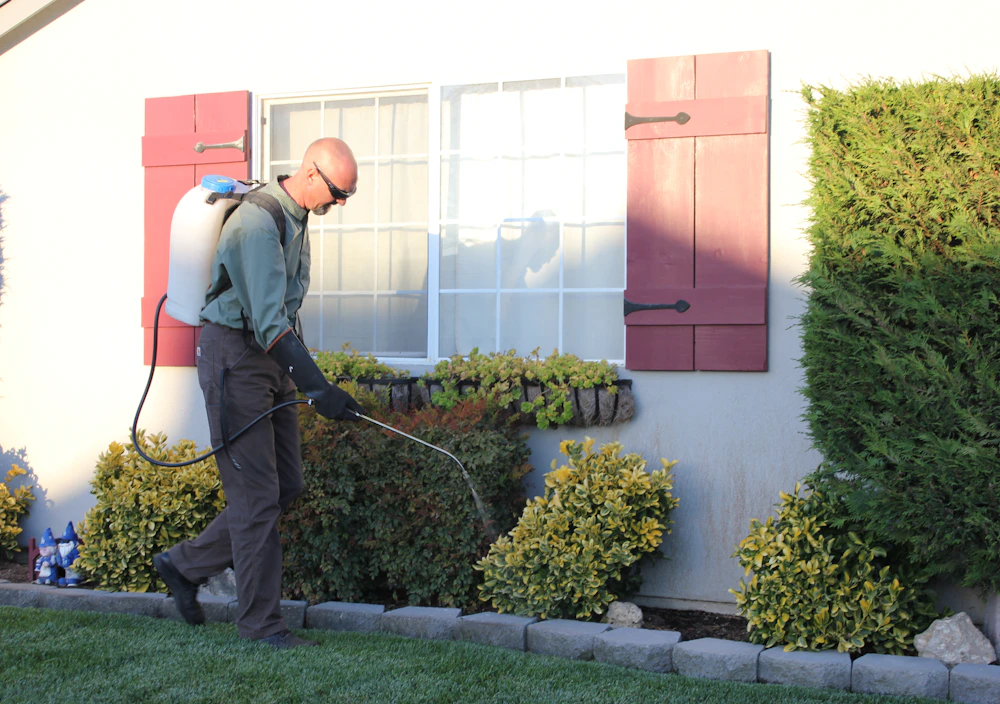
Rather than waiting for a complaint to trigger a service call, a scheduled, recurring treatment program for common areas — particularly high-risk zones like trash enclosures and landscaped perimeters — tends to prevent most problems before residents ever notice them.
Communicate the Division of Responsibility Clearly
New owners and residents should understand, from the start, what the association covers and what falls to them individually. This connects to the broader onboarding practices described in our guide on onboarding new owners — pest control responsibility is exactly the kind of detail that generates frustration when it’s discovered only after a problem arises, rather than explained proactively.
Have a Clear Escalation Path for Reported Problems
Residents should know exactly how to report a pest concern, and what happens next — whether it’s routed to the association’s vendor for a common-area issue, or the resident is directed to arrange their own treatment for an interior issue. A vague or inconsistent process here tends to generate repeated complaints about the same unresolved issue.
When a Pest Problem Crosses the Line Into a Larger Issue
Some pest issues — termites affecting a building’s structural wood framing, for example — aren’t just an inconvenience but a genuine threat to the building itself, and often require a more specialized response than routine pest control. These situations typically warrant involving a specialized inspector or structural engineer, and may connect directly to the kind of building inspection and maintenance planning covered in our guide on preventive maintenance schedules.
Seasonal Considerations Worth Planning Around
Pest pressure in South Florida tends to shift with the seasons — certain insects become more active during the rainy season, while rodents and other pests may seek shelter in buildings more aggressively during cooler months. A board that understands these general seasonal patterns, in coordination with its pest control vendor, can shift from a purely reactive posture to one that anticipates likely problems before residents start reporting them, similar in spirit to the seasonal planning covered in our guide on preventive maintenance schedules.
A Simple Checklist for Reviewing Your Pest Control Program
- A vendor with genuine multi-unit residential experience is under contract for common-area treatment
- The division of responsibility between common areas and individual units is clearly documented, consistent with the governing documents
- A routine, scheduled treatment program covers high-risk common areas, not just reactive service calls
- Residents have a clear, known process for reporting a concern and understanding what happens next
Where This Fits Into Our Services
Pest control coordination is part of our broader maintenance and vendor coordination service, which also covers the preventive scheduling discussed in our guide on preventive maintenance schedules for boards.