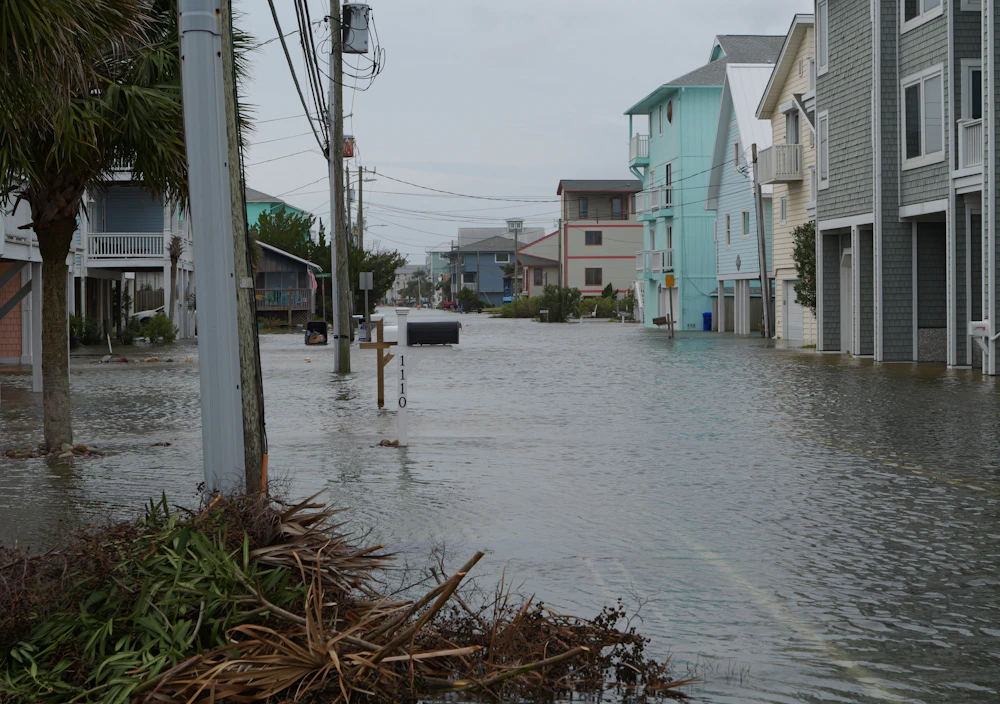
Florida’s flood risk is a genuine, well-documented reality for much of the state, yet flood insurance is one of the most commonly misunderstood pieces of an association’s overall risk management picture — often because boards assume it’s automatically included in the master property policy, when in most cases it isn’t. Understanding the distinction, and what a specific flood policy actually covers, is an important piece of an association’s broader risk planning.
Why Flood Coverage Is a Separate Conversation
Our broader guide on understanding your association’s master insurance policy explains what a master property policy generally covers. Flood damage is typically carved out of that coverage entirely, which means an association without a separate flood policy may have no coverage at all for flood-related loss, regardless of how comprehensive its property policy otherwise looks.
Understanding Flood Zone Designations
Why the Zone Designation Matters
A property’s flood zone designation, determined by FEMA flood maps, affects both the cost and, in some cases, the requirement for flood insurance. An association’s insurance agent can confirm the specific flood zone designation for the property and explain what that designation generally means for coverage options and cost.
Flood Risk Isn’t Limited to Officially Mapped High-Risk Zones
A meaningful portion of flood claims nationally occur outside of the highest-risk zone designations, which means a board shouldn’t assume flood risk is irrelevant simply because the property isn’t located in the most severe designated flood zone. This is a genuine risk management consideration worth discussing directly with a qualified insurance professional, not something to assume away based on a general zone label alone.
Sources of Flood Coverage
The National Flood Insurance Program
Many associations obtain flood coverage through the National Flood Insurance Program, a federal program with specific coverage limits and terms. An insurance agent familiar with NFIP policies can explain the specific limits and whether they’re adequate for the association’s actual insurable interest.
Private Flood Insurance
Private flood insurance has become more widely available in recent years and, depending on the property and the carrier, may offer higher coverage limits or different terms than the NFIP program. Comparing both options with a qualified agent, rather than assuming one is automatically better, is a reasonable step for many associations.
Connecting Flood Coverage to the Rest of Risk Planning
Deductibles Apply to Flood Coverage Too
Flood policies, like other insurance policies, typically have their own deductible structure, separate from the deductibles that apply to the master property policy. The same planning principles covered in our guide on insurance deductibles: how boards typically plan and budget for them apply directly to flood deductibles as well.
Flood Risk Connects to Broader Emergency Preparedness
Flood risk is one piece of the broader emergency preparedness picture covered in our guide on Florida hurricane preparedness checklist, since many of the most severe flood events in Florida are storm-related, even though flooding can also occur independently of a named storm.
Communicating Flood Coverage to Owners
Owners Often Assume More Coverage Than Actually Exists
A common and genuinely consequential misunderstanding is an owner assuming the association’s master policy, including any flood coverage it carries, protects their personal unit contents and improvements. Clearly communicating what the association’s coverage does and doesn’t extend to helps owners understand their own need for personal flood coverage where appropriate, which is a decision for each owner to make with their own insurance professional.
Review Coverage at Every Renewal, Not Just Once
Flood zone designations, property values, and available coverage options can all change over time, so flood coverage deserves the same renewal-time review as the rest of the association’s insurance program, rather than being set once and left unexamined in subsequent years. A policy that made sense several renewal cycles ago may no longer reflect the property’s current insurable value or the carrier’s current terms, which is exactly the kind of gap a routine annual review is meant to catch before it becomes a real problem at claim time.
Understanding How a Claim Would Actually Work
Beyond simply confirming coverage is in place, it’s worth understanding in general terms how a flood claim would actually be processed — what documentation is typically needed, and roughly how quickly claims are generally handled by the specific carrier. This kind of practical understanding is far more useful to have before a loss occurs than during the stress of an actual flood event.
Documenting Flood Coverage for the Board’s Own Records
Keep the Current Policy and Zone Determination on File
A clear, accessible record of the association’s current flood zone determination, policy terms, and coverage limits helps the board respond quickly to questions from owners, lenders, or prospective buyers, rather than having to track down this information from the insurance agent each time it’s needed.
Revisit the Topic Whenever the Board Changes
Flood coverage is exactly the kind of specialized topic that a departing, more experienced board member may understand well, while a newly elected board may not think to ask about at all. Including a summary of the association’s flood insurance situation as part of the orientation process covered in our guide on board orientation for new directors helps ensure this knowledge doesn’t quietly disappear as board membership turns over.
A Simple Checklist for Flood Insurance Planning
- The association has confirmed directly with its insurance agent whether flood coverage is in place and what it covers
- The property’s flood zone designation is understood, without assuming risk is irrelevant outside the highest-risk zones
- Both NFIP and private flood insurance options have been compared with a qualified agent
- Flood deductibles are understood and reflected in the association’s broader deductible planning
- Owners understand what the association’s coverage does and doesn’t extend to for their own units
Where This Connects to the Rest of Risk Management
Flood insurance planning connects directly to the broader insurance considerations covered in our guide on understanding your association’s master insurance policy and the deductible planning described in our guide on insurance deductibles: how boards typically plan and budget for them. Our emergency response service helps boards think through this kind of risk planning before a loss occurs.