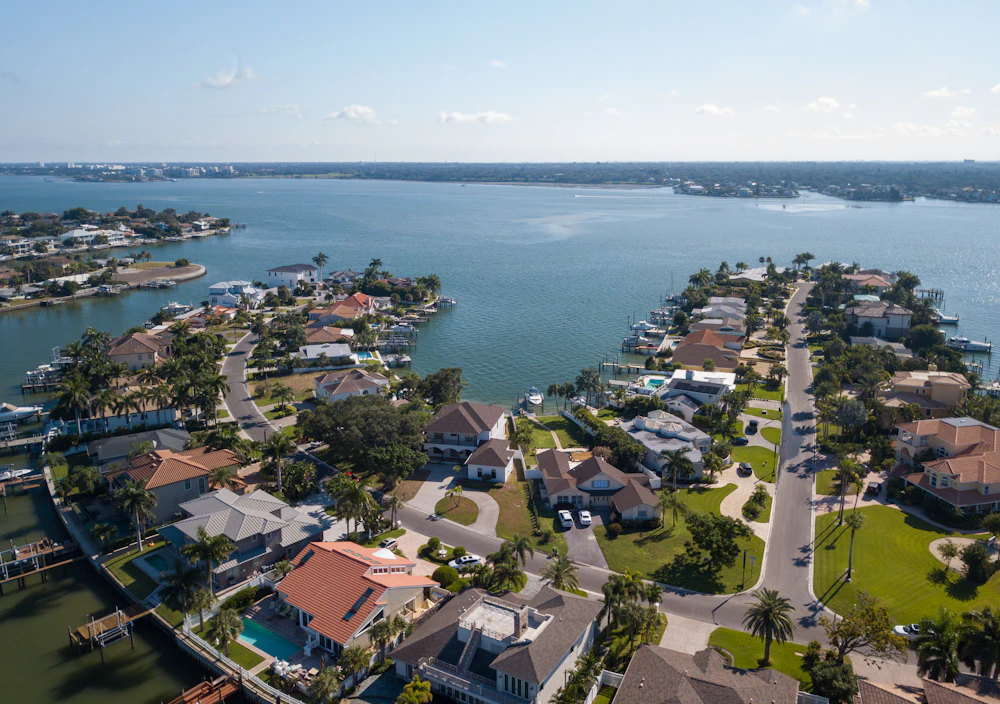
Larger planned communities in Florida often aren’t governed by a single association alone — instead, several individual neighborhood or sub-associations each handle their own local matters, while a master association oversees shared amenities and common infrastructure across the entire development. For an owner or new board member encountering this structure for the first time, understanding how the layers relate to each other is essential to understanding who’s actually responsible for what.
What a Master Association Generally Does
A master association typically governs amenities and infrastructure shared across multiple neighborhoods within a larger community — a main entrance, shared roads, a central clubhouse or recreational facility, or broader landscaping along common corridors — while each individual sub-association handles matters specific to its own neighborhood, such as its own streets, its own more localized common areas, or architectural review specific to that neighborhood’s style guidelines.
How the Layers of Governance Typically Relate
Owners Generally Belong to Both
In a typical master-association structure, an owner is a member of both their specific sub-association and the master association, and generally pays assessments to both — a sub-association assessment covering neighborhood-specific costs, and a master association assessment covering shared, community-wide costs.
Governing Documents Exist at Both Levels
Each layer generally has its own governing documents — a sub-association has its own declaration and bylaws specific to its neighborhood, while the master association has its own declaration covering the shared elements. Understanding both sets of documents, not just the one that feels most immediately relevant, is important for any owner or board member trying to understand their full set of rights and obligations, consistent with the broader approach covered in our guide on understanding your community’s governing documents.
Board Representation Can Vary
Some master associations are governed by a board made up of representatives from each sub-association, while others may have a more independent board structure. The specific structure is defined in the master association’s own governing documents and can vary meaningfully from one community to another.
Why This Structure Can Create Confusion
Overlapping or Unclear Responsibility
An owner with a maintenance concern — a pothole on a shared road, for example — may not immediately know whether that falls under the sub-association’s or the master association’s responsibility. Clear, accessible documentation of which entity handles what, available to owners without requiring them to read dense legal documents to figure it out, significantly reduces this kind of confusion.
Separate Assessments Can Be Misunderstood
Owners sometimes assume a single combined assessment covers everything, and are confused or frustrated to discover separate line items or separate billing for sub-association and master association dues. Clear communication about this structure, ideally as part of new-owner onboarding, as covered in our guide on onboarding new owners before closing, helps prevent this confusion from surfacing only after a resident is already upset about an unexpected bill.
Financial Planning in a Multi-Layer Structure
Each Layer Needs Its Own Reserve Planning
Both the master association and each sub-association generally need their own reserve study, covering the specific capital components each is responsible for maintaining, consistent with the general approach covered in our guide on reserve studies explained for condo boards. A board at either level that assumes the other layer’s reserves cover its own components can end up with a significant and unexpected funding gap.
Insurance Coverage Should Be Coordinated, Not Assumed
Similarly, insurance coverage at the master and sub-association level should be reviewed together to confirm there isn’t an unintended gap or unnecessary duplication in coverage for shared versus neighborhood-specific elements.
Serving on a Master Association Board
Serving on a master association board involves many of the same general governance principles covered in our guides on board member roles and running an effective board meeting, with the added dimension of coordinating across multiple sub-associations with potentially different priorities and perspectives. A director serving at this level benefits from understanding not just their own neighborhood’s concerns, but the broader needs of the entire community the master association serves, since decisions made at this level generally affect every sub-association within the development.
New Owners Benefit From Understanding the Full Structure Early
Because the master-association layer isn’t always obvious to a buyer focused primarily on their specific home and neighborhood, explaining this broader structure clearly during the onboarding process helps new owners understand their complete set of obligations from the start, rather than discovering a second layer of governance and assessment only after they’ve already settled in.
Resolving Disagreements Between Layers of Governance
Sub-Associations and the Master Association Can Have Different Priorities
A sub-association board focused on its own neighborhood’s specific needs may occasionally have a different view than the master association on a shared-cost decision or a broader community policy. Having a clear, documented process for how these disagreements are generally resolved — consistent with whatever the master association’s own governing documents specify — helps prevent an occasional disagreement from becoming a prolonged, unresolved dispute.
Communication Between Layers Should Be Routine, Not Just Reactive
Regular, routine communication between a sub-association board and the master association, rather than only reaching out when a disagreement has already surfaced, tends to catch potential friction points earlier and keeps the overall governance structure functioning more smoothly for everyone involved.
A Simple Checklist for Understanding a Master Association Structure
- Owners and board members understand which entity — sub-association or master association — is responsible for which specific areas and systems
- Separate assessments are clearly explained to owners, ideally during onboarding
- Reserve planning exists independently and appropriately at each governance layer
- Insurance coverage is reviewed across layers to confirm there’s no unintended gap or duplication
Where This Connects to the Rest of Association Governance
Understanding a master association structure connects directly to the broader governing document principles covered in our guide on understanding your community’s governing documents and the new-owner onboarding process described in our guide on onboarding new owners before closing.