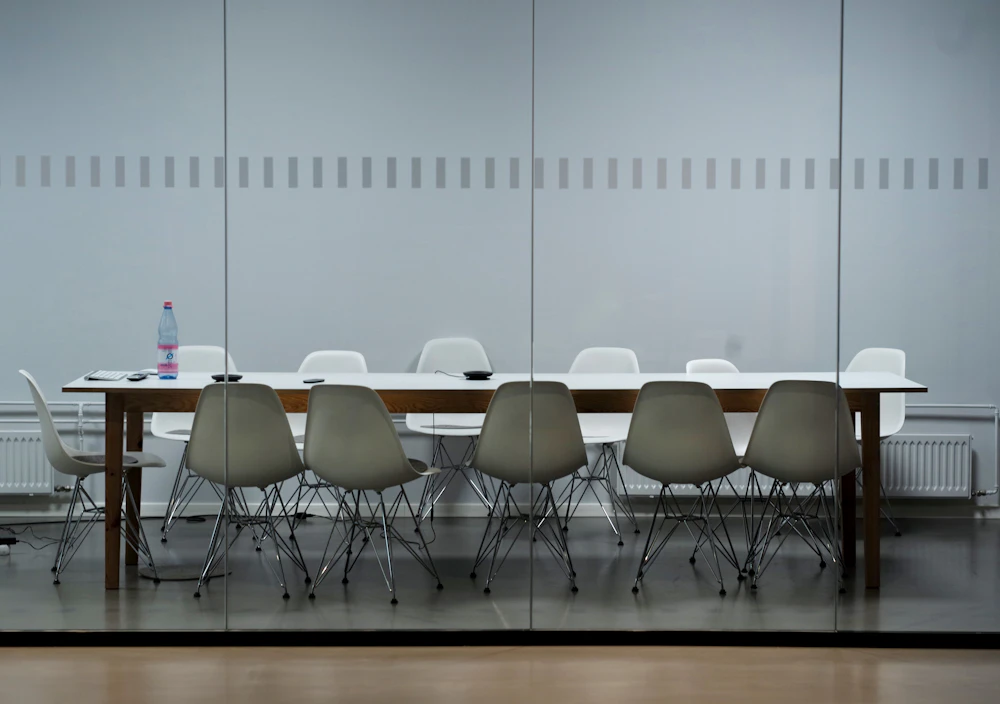
Board meetings have a reputation for running long and resolving little. Most of the time, that’s not because the people in the room are disorganized — it’s because the meeting itself wasn’t set up to succeed. A few deliberate habits, applied consistently, make a noticeable difference.
Before the Meeting
Build a Real Agenda
An agenda that just says “old business” and “new business” gives the room nothing to prepare for. A useful agenda lists specific topics, who’s presenting each one, and roughly how long it should take. If a topic requires a vote, say so on the agenda itself.
Send Materials in Advance
Financial reports, vendor proposals, and any documents the board needs to review should go out well before the meeting — not handed out at the door. Board members who’ve actually read the materials ask better questions and reach decisions faster.
Confirm Notice Requirements
Florida’s condominium and homeowner association statutes (Chapters 718 and 720) set general requirements around meeting notice, posting, and, for certain meetings, member participation. Requirements can differ depending on the type of meeting and association, so this is intentionally general guidance, not legal advice — check the current statute text on the official Florida Legislature website and confirm specifics with the association’s attorney when it matters.
During the Meeting
Start on Time, Every Time
If meetings reliably start late, people stop showing up on time, and the problem compounds. Starting on schedule, even with a smaller room, tends to fix attendance over a few meetings.
Stick to the Agenda — on Purpose
It’s normal for a side issue to come up mid-discussion. A simple, consistent response — “let’s add that to next meeting’s agenda” — keeps the current meeting from drifting while still acknowledging the concern.
Separate Discussion From Decision
For anything requiring a vote, it helps to explicitly state the motion before discussion wraps up: “the motion on the table is to approve the proposed landscaping contract for $X.” This avoids the common problem of a group talking for twenty minutes and then being unsure exactly what they agreed to.
Keep Minutes That Are Actually Useful
Minutes don’t need to capture every sentence spoken. They do need to capture what was decided, who made and seconded each motion, the vote count, and any action items with an owner attached. That’s the record an association will rely on later.
After the Meeting
Distribute Minutes Promptly
The sooner minutes go out, the easier it is for attendees to confirm accuracy while the meeting is still fresh, and the sooner residents who weren’t there can see what happened.
Track Action Items to Actual Completion
A decision made in a meeting but never followed up on isn’t really a decision — it’s a note. A simple running list of action items, owners, and due dates, reviewed briefly at the start of the next meeting, closes that loop.
Handling Difficult Moments in a Meeting
Most boards eventually run into a meeting that gets heated — a contentious vote, an upset resident during a comment period, or disagreement among board members themselves. A few habits tend to keep these moments from derailing the whole meeting:
Set Expectations for Resident Comment Periods Up Front
If owners are allowed to speak, stating a time limit per speaker at the start of that portion of the meeting, and applying it consistently, prevents any single comment period from consuming the whole agenda.
Redirect Personal Disputes to the Right Channel
A board meeting generally isn’t the right venue to resolve a dispute between two specific neighbors, or a personal disagreement between board members. Acknowledging the concern and redirecting it to a more appropriate conversation, rather than litigating it in front of the whole room, keeps the meeting focused on business the board actually needs to conduct.
Use a Short Recess When Needed
If a discussion is clearly escalating rather than progressing, a brief recess — even five minutes — often resets the tone of the room more effectively than continuing to push through.
Follow the Governing Documents on Procedure
When there’s disagreement about whether a motion was properly made, seconded, or voted on, the governing documents and any applicable parliamentary procedure the association has adopted are the reference point — not whoever is speaking most confidently in the moment.
A Short Pre-Meeting Checklist
- Agenda sent at least several days in advance, with specific topics and presenters
- Supporting documents (financials, proposals, prior minutes) distributed ahead of time
- Notice requirements for this meeting type confirmed
- Open action items from the last meeting reviewed before the new agenda is finalized
- A clear plan for who records minutes and how they’ll be distributed afterward
- A rough time estimate assigned to each agenda item, so the meeting doesn’t run long before the board even reaches the items that matter most
Running through this list a day or two before the meeting takes a few minutes and tends to prevent most of the avoidable disorganization that makes meetings run long in the first place.
Where This Fits Into Ongoing Management
Meeting preparation and follow-through are part of the broader board member support we provide, alongside governing document guidance and strategic planning support. If your board is also reconsidering how financial information is presented at meetings, our guide on how to read an HOA budget is a useful companion piece — and if meetings have been a recurring source of friction, it may be worth reviewing how we work with boards day to day.