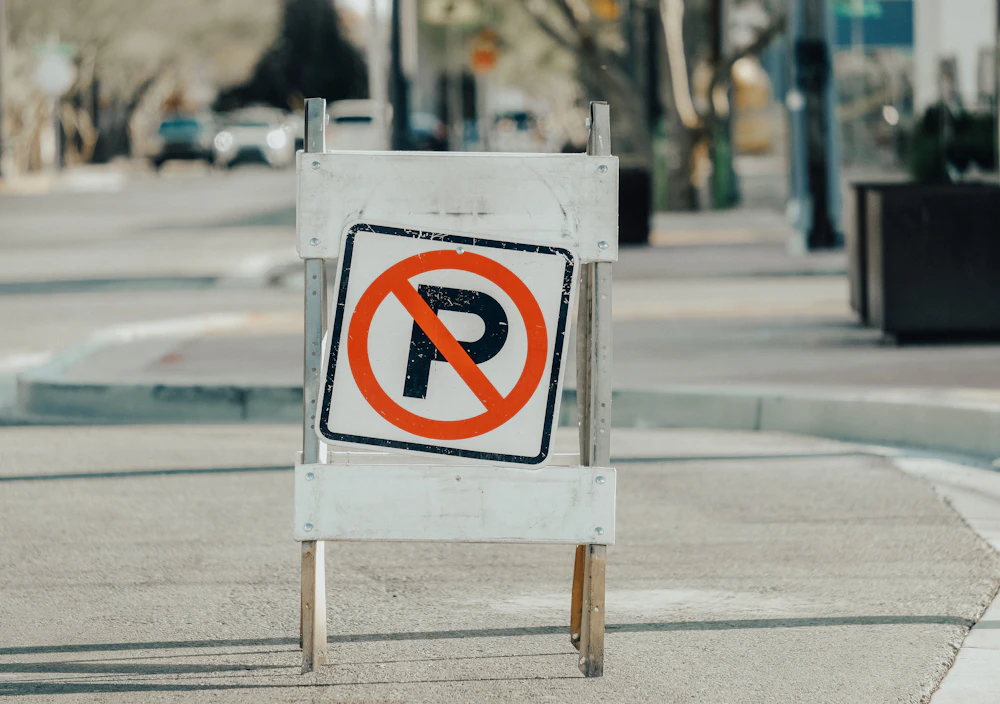
Parking is one of the most reliably contentious topics in a community association, in part because it’s a zero-sum resource — there are only so many spaces, and nearly every resident has a direct personal stake in how fairly and consistently they’re allocated and enforced. A clear parking management approach, backed by the right level of technology for the community’s actual needs, tends to reduce this friction significantly.
Why Parking Generates So Much Friction
Unlike many association rules, parking violations are immediately visible to every resident who walks by, which means inconsistent enforcement is highly noticeable — if one resident gets towed for parking in a guest spot overnight while another does the same thing repeatedly without consequence, that inconsistency becomes community knowledge quickly, in a way a quieter rule violation might not.
The Core Elements of a Parking Management System
Clear Allocation of Spaces
Residents should understand exactly which spaces are assigned to them (if applicable), which are first-come common parking, and which are designated guest parking, with this allocation clearly documented rather than left to informal neighborhood understanding that can shift or get disputed over time.
A Permit or Registration System
Many associations require vehicles to be registered with a permit, sticker, or hang tag, which makes it straightforward to identify an unauthorized vehicle at a glance, rather than requiring someone to track down whether a given car actually belongs to a resident.
Guest Parking Policies
Guest parking is a particularly common friction point — how many guest spaces exist relative to the number of units, how long a guest vehicle can stay before it needs a longer-term arrangement, and how the association tracks or verifies that a vehicle in guest parking is actually a legitimate guest rather than an unregistered resident vehicle parked there to avoid the rules.
Enforcement Technology Options
License Plate Recognition Systems
Some associations use camera-based license plate recognition to automatically flag unregistered or unauthorized vehicles, which can reduce the staff time needed for manual enforcement rounds. This technology does raise its own considerations — what data is retained, who has access to it, and for how long — similar to the broader data-handling principles covered in our guide on protecting resident data.
Digital Permit and Guest Registration Platforms
Rather than physical hang tags or stickers, some associations use a digital system where residents register vehicles and guests online, which can simplify tracking and updating registrations compared to a purely physical permit system, though it requires residents to actually adopt and use the platform consistently.
Integration With Gate and Access Control Systems
In gated communities, parking enforcement technology sometimes integrates with the broader access control system covered in our guide on security cameras and access control, so that vehicle access and parking registration are managed through a single coordinated system rather than entirely separate processes.
Enforcement: Technology Helps, but Process Still Matters
Towing as a Last Resort, Handled Carefully
Towing is often the most visible and most consequential parking enforcement tool, and it’s also an area with real legal requirements around signage, notice, and procedure that vary by jurisdiction and governing document language. A board relying on towing as an enforcement mechanism should confirm the current, specific requirements with the association’s attorney rather than assuming a general right to tow exists without conditions.
Consistent Application, Regardless of Technology
Even with sophisticated enforcement technology, the same fairness principles covered in our guide on enforcing community rules fairly apply — a system that flags violations automatically still needs a consistent, documented process for what happens next, applied the same way to every resident.
A Clear Appeals or Dispute Process
Residents should have a straightforward way to dispute an enforcement action they believe was made in error — a misread plate, a legitimate guest flagged incorrectly — rather than no recourse at all, which tends to generate disproportionate frustration relative to the actual error rate of most systems.
Communicating Parking Rules Clearly
New residents in particular benefit from a clear explanation of the parking system as part of broader onboarding, discussed in our guide on onboarding new owners — parking is exactly the kind of rule that generates an outsized number of early disputes when it isn’t explained proactively.
Revisiting the System as the Community Changes
A parking allocation and enforcement approach that worked well when a community was first built can become genuinely strained as resident vehicle ownership patterns shift, or as the proportion of rental units changes. Rather than treating the original parking plan as fixed indefinitely, periodically revisiting whether the current allocation and enforcement approach still matches actual usage tends to catch emerging friction before it becomes a significant source of resident complaints.
A Simple Checklist for Parking Management
- Space allocation (assigned, common, guest) is clearly documented and communicated
- A permit or registration system makes unauthorized vehicles identifiable at a glance
- Any enforcement technology’s data practices are understood and reasonable, not adopted purely for convenience without consideration
- Towing, if used, follows the current legal requirements confirmed with the association’s attorney
- A clear dispute process exists for residents who believe an enforcement action was made in error
Where This Fits Into Our Services
Parking management connects to the broader access control and technology considerations covered in our guide on security cameras and access control, and to the general rule enforcement framework described in our article on enforcing community rules fairly.