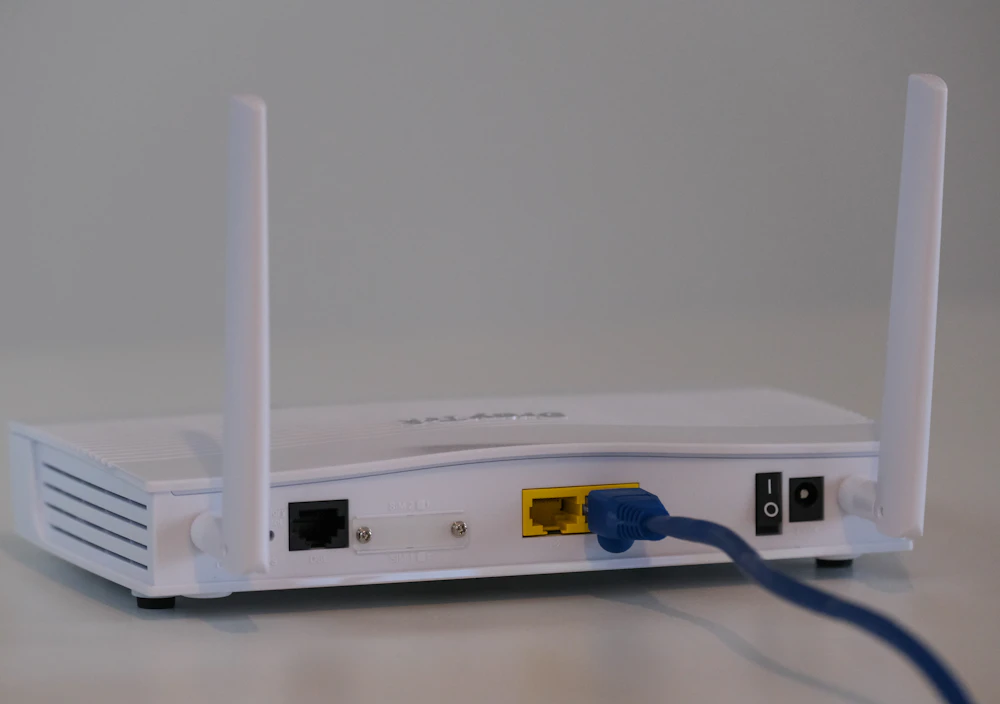
Reliable internet connectivity has quietly become essential infrastructure for a community association — supporting security camera systems, access control, a management office’s day-to-day operations, and increasingly, Wi-Fi that residents expect to find in a clubhouse, pool area, or common lounge. A board evaluating or troubleshooting this kind of connectivity benefits from thinking through it deliberately, rather than treating it as a minor afterthought until something stops working.
Why Common-Area Connectivity Deserves Real Attention
It Often Supports More Than Just Convenience
Internet connectivity in a modern association frequently underlies genuinely important systems — the security cameras and access control covered in our guide on security cameras and access control basics, a resident portal, and sometimes building-wide systems like elevator monitoring or fire alarm reporting. A board that treats the internet connection purely as a resident amenity convenience may underestimate how much operationally important infrastructure actually depends on that same connection staying reliable.
Reliability Matters More Than Flashy Features
For most associations, the single most important quality in a common-area internet provider is basic reliability — consistent uptime and reasonably quick resolution when something does go wrong — rather than the fastest possible speed tier or the most feature-rich service plan. A board evaluating providers should weigh demonstrated reliability heavily, not just advertised speed.
Evaluating Providers and Service Plans
Confirm What’s Actually Available at the Property
Not every provider or service tier is available at every specific property, and confirming actual availability directly, rather than relying on a provider’s general marketing claims about their coverage area, avoids wasted evaluation time on an option that turns out not to actually serve the property.
Understand the Service Level Agreement
A clear service level agreement — covering expected uptime, response time for outages, and any compensation or credit for extended service failures — gives the board something concrete to hold the provider accountable to, rather than a vague general assurance about quality of service.
Consider Redundancy for Critical Systems
For associations where internet connectivity supports genuinely critical systems like security and access control, considering a backup connectivity option — a secondary provider or cellular failover — protects against a single point of failure taking down important building systems during an outage, even if that redundancy comes at additional cost.
Wi-Fi as a Resident Amenity
Setting Realistic Expectations
Resident-facing Wi-Fi in common areas and amenities is a nice convenience, but a board should set realistic expectations about its scope and reliability — residents should understand this is a shared amenity resource, not a guaranteed, individually dedicated connection comparable to their own in-unit internet service.
Securing the Network Appropriately
A shared Wi-Fi network accessible to residents and sometimes guests should be configured with appropriate security measures — distinct from networks supporting sensitive building systems like access control — so that resident internet use doesn’t create an unintended vulnerability affecting more sensitive association systems.
Budgeting for Internet and Connectivity
A Recurring Operating Cost Worth Reviewing Periodically
Internet and connectivity service is a recurring operating expense that belongs in the regular budget, consistent with the broader financial planning covered in our guide on how to read an HOA budget, and like other recurring vendor costs, is worth periodically reviewing against current market options rather than automatically renewing the same plan indefinitely without comparison.
Equipment Costs Beyond the Monthly Service Fee
Beyond the recurring service fee, equipment like routers, access points, and any necessary networking hardware represents its own cost that should be planned for, including eventual replacement as equipment ages or as the association’s connectivity needs grow.
Choosing and Managing the Vendor Relationship
Apply the Same Vendor Verification Principles
Selecting an internet provider benefits from the same general vendor evaluation principles covered in our guide on vendor management best practices — comparing multiple options, confirming actual service terms in writing, and understanding the contract’s renewal and termination provisions, rather than defaulting to whichever provider happens to already serve the property without comparison.
Designate a Clear Point of Contact for Technical Issues
Having a clear internal point of contact — whether management staff or a specific board role — responsible for reporting outages and following up with the provider helps ensure connectivity issues get addressed promptly, rather than lingering because no one was clearly responsible for noticing and escalating the problem.
Planning for Future Needs
Anticipate Growing Technology Demands
As more building systems and resident-facing technology come to depend on reliable connectivity — smart access control, EV charging monitoring, expanded security systems — a board benefits from thinking ahead about whether current infrastructure and service plans will keep pace with these growing demands, rather than only upgrading reactively once an existing system becomes inadequate.
Revisit the Choice Periodically
Internet service options and pricing in a given market can change meaningfully over a contract term, and periodically revisiting whether the current provider and plan still represent the best available option protects against paying more than necessary for service that newer options might now provide more cost-effectively.
A Simple Checklist for Common-Area Internet and Wi-Fi
- Provider options and actual service availability at the property are confirmed directly, not assumed from marketing claims
- A clear service level agreement sets expectations for uptime and outage response
- Critical building systems have appropriate connectivity redundancy where the cost is justified
- Resident Wi-Fi is appropriately secured and separated from sensitive building systems
- The vendor relationship and pricing are periodically reviewed rather than renewed automatically
Where This Connects to the Rest of Community Technology
Choosing reliable internet and Wi-Fi connects directly to the broader communication tool decisions covered in our guide on choosing the right communication tools for your association and the security system considerations described in our guide on security cameras and access control basics.