Security cameras and access control systems have become common enough in community associations that a board considering them for the first time can feel behind, while a board that already has them installed may not have revisited the decisions behind the system in years. Both situations benefit from the same basic framework: understanding what the technology is actually meant to accomplish, and what it requires to maintain properly.
Starting With the Actual Problem, Not the Technology
Before evaluating cameras or access control hardware, it helps to be specific about what problem the board is trying to solve. “Better security” is too vague to design around. More useful starting points:
- Is the concern unauthorized vehicle or pedestrian access to the property?
- Is it about deterring or documenting package theft, vandalism, or vehicle break-ins?
- Is it about controlling who can enter specific amenities after hours?
- Is it about having a record available after an incident, rather than preventing the incident itself?
Different concerns point toward different solutions — a gate access system addresses unauthorized entry in a way cameras alone don’t, while cameras are primarily useful for documentation and deterrence rather than physical prevention.
Camera Placement and Coverage
Common Areas, Not Private Spaces
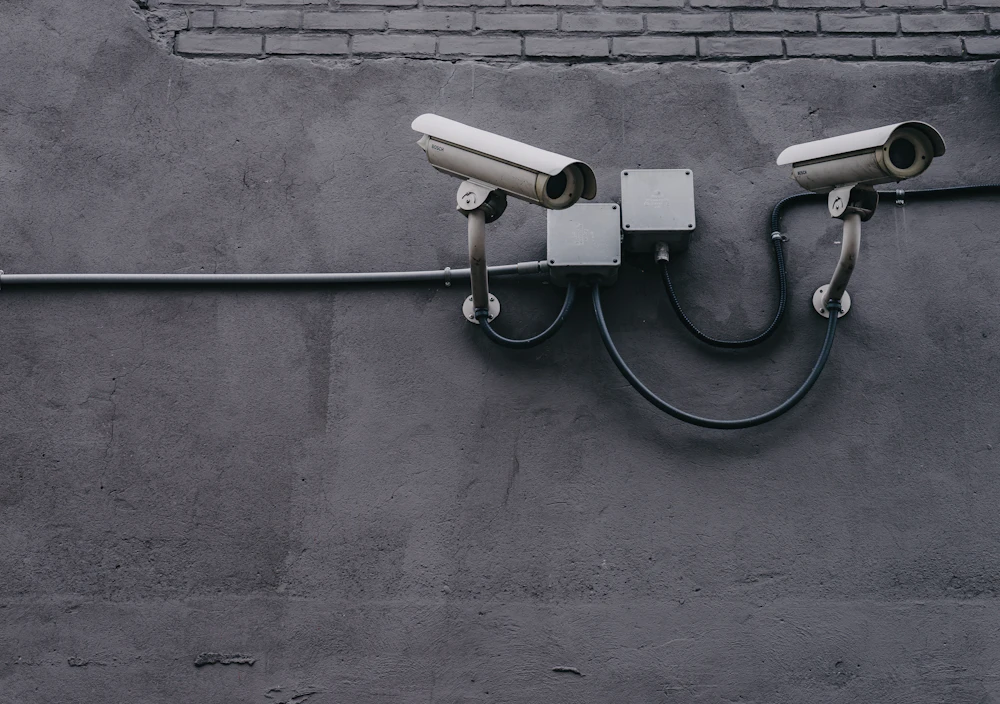
Cameras covering entrances, parking areas, and shared amenities are generally uncontroversial. Cameras that could capture the interior of a resident’s home, or angles that primarily view private patios or windows, raise privacy concerns that are worth avoiding through careful placement rather than addressing after a complaint.
Realistic Coverage Over Comprehensive Coverage
A system that attempts to cover every square foot of a large property, without adequate monitoring or storage capacity, often ends up providing footage nobody reviews until after an incident — at which point gaps in coverage or retention become apparent. Prioritizing high-value areas (entrances, amenity access points, areas with a documented history of incidents) tends to be more useful than spreading coverage thin.
Signage
Posting clear signage indicating that an area is under video surveillance is generally good practice, both as a deterrent and for transparency with residents and visitors.
Access Control Systems
Gate and Entry Systems
Vehicle and pedestrian gate systems control who physically enters the property, which cameras alone don’t do. These systems require their own maintenance — a gate that’s frequently stuck open or malfunctioning provides no actual security benefit regardless of how sophisticated it is on paper.
Key Fobs and Code-Based Access
Electronic access systems for amenities or building entrances offer the advantage of being easy to deactivate for a departed resident or a lost fob, compared to rekeying physical locks. They also create an access log, which can be useful after an incident — though that log is only useful if the system is actually configured to retain it.
Managing Access Credentials Over Time
A system is only as secure as the credential list behind it. Former residents, past vendors, and departed board members whose access was never revoked represent a quiet but real security gap. Periodically auditing who currently has access — not just assuming the list is accurate — is worth building into a maintenance routine.
Maintenance and Realistic Expectations
Cameras and Access Systems Need Their Own Maintenance Schedule
Like any other building system, cameras and access control hardware degrade, lose calibration, or fail outright over time. A system installed once and never checked again often turns out, when actually needed, to have a malfunctioning camera or an expired storage drive — our broader guide on preventive maintenance schedules covers how to build this kind of recurring check into a maintenance routine generally.
Storage and Retention
Footage storage has real limits, and a board should understand, in general terms, how long footage is actually retained before it’s overwritten — a system with excellent cameras but only a few days of storage may not have retained footage by the time an incident is reported and reviewed.
Setting Resident Expectations About What the System Actually Does
Residents sometimes assume a camera system means someone is actively watching a live feed at all times, ready to respond the moment something happens. In most community associations, that’s not the reality — footage is typically reviewed after the fact, if and when an incident is reported, rather than monitored continuously in real time. Being honest with residents about this distinction avoids a false sense of security and helps set realistic expectations about what the system can and can’t do, which matters particularly when residents are deciding how much to rely on it for their own safety planning.
A Simple Checklist Before Installing or Reviewing a System
- The specific problem the system is meant to address is clearly defined, not just a general sense that “more security” is needed
- Camera placement avoids capturing private interior spaces or windows
- A documented policy exists for who can access footage, and under what circumstances
- Access credentials are periodically audited to remove former residents, vendors, and board members
- The system has its own place in the association’s maintenance schedule, not a one-time installation assumed to work indefinitely
Where This Fits Into Our Services
Security and access technology decisions connect directly to our broader emergency response and HOA and community management services, and the resident communication considerations around any new system tie into our guide on choosing communication tools for your association.