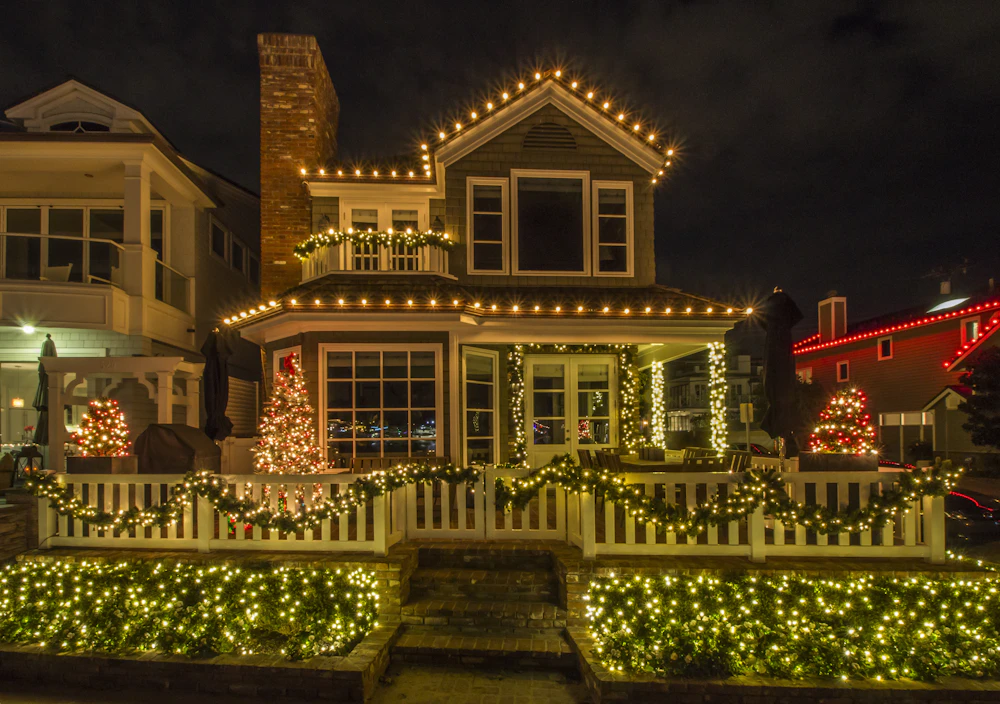
Holiday decorations are one of those community topics that seem minor until a specific dispute arises — a display that stays up well past the season, string lights that bother a neighbor, or an inconsistent sense of what’s actually allowed. A reasonable, consistently enforced policy helps residents enjoy seasonal decorating without it becoming a recurring source of board headaches or neighbor-to-neighbor friction.
Why a Written Policy Is Worth Having
Many associations manage holiday decorations informally for years without any real problem, until a specific dispute — an oversized display, a complaint about light timing, disagreement about how long is too long — reveals that there was never actually a clear, written standard to point to. A written policy, developed before a dispute forces the issue, gives the board something concrete and consistent to apply rather than making an ad hoc judgment call under pressure.
What a Reasonable Policy Generally Addresses
Reasonable Size and Scope
A general standard for what’s considered a reasonable scale of decoration — rather than either no guidance at all or an overly restrictive limit that doesn’t match what most residents would consider normal seasonal decorating — helps set realistic, broadly acceptable expectations.
Installation and Removal Timing
Clear general guidance on how far in advance decorations can go up and how promptly they should come down after the relevant season ends addresses one of the most common sources of friction — a display that lingers well past its season, creating a sense that the community looks neglected or that one resident isn’t following the same general timing other residents observe.
Lighting and Noise Considerations
Where decorations include lighting or sound, general guidance on reasonable hours — consistent with the broader noise and disturbance principles covered in our guide on handling noise complaints fairly — helps balance a resident’s enjoyment of their own decorations against a neighbor’s reasonable expectation of not being disturbed late into the evening.
Safety Considerations
General reminders about electrical safety for exterior lighting, and keeping pathways and fire access clear of decorative elements, protect both the decorating resident and the broader community, and are worth including as practical guidance rather than purely aesthetic rule-making.
Keeping the Policy Neutral and Consistently Applied
Frame the Policy Around Neutral Criteria
A policy built around neutral, general criteria — size, timing, lighting hours — rather than naming or treating specific holidays differently, tends to be both easier to apply consistently and more defensible if ever questioned. Qualified legal counsel can help confirm a specific policy’s framing holds up to this kind of neutral standard.
Apply the Policy the Same Way for Every Resident
As with any community rule, the fairness principles covered in our guide on enforcing community rules fairly apply directly here — a policy enforced strictly against some residents’ displays while quietly overlooked for others creates a genuine fairness problem, separate from whether the underlying policy itself is reasonable.
Handling Complaints About a Specific Display
Start With the Policy, Not a Subjective Reaction
When a complaint arrives about a specific decoration, measuring it against the association’s actual written standard — rather than the board’s own subjective sense of whether the display seems excessive — keeps the response grounded and defensible rather than arbitrary.
Give Residents a Reasonable Chance to Comply
Where a display genuinely doesn’t meet the policy, a reasonable, specific request to bring it into compliance — rather than an immediate formal enforcement action — is usually a more proportionate first response, reserving the more formal process covered in our guide on fining and the right to a hearing for situations where a reasonable request doesn’t resolve the issue.
Communicating the Policy Proactively
Share It Before the Season Starts, Not After a Complaint
Sharing the decoration policy with residents proactively, ahead of the relevant season, through the kind of newsletter or communication channel covered in our guide on email newsletters done right, helps residents plan their decorating within the actual guidelines rather than finding out about a limit only after already installing something that doesn’t comply.
Keep the Tone Welcoming, Not Restrictive
A policy communicated in a way that emphasizes enjoying the season within reasonable shared guidelines, rather than reading as a list of prohibitions, tends to be better received by residents and sets a more positive tone for what’s ultimately meant to be an enjoyable part of community life.
Revisiting the Policy Periodically
Decorating trends and technology change over time — the rise of elaborate programmable lighting displays, for example — and a policy that hasn’t been revisited in years may not anticipate situations that have become more common. Periodically reviewing the policy, rather than assuming it will remain adequate indefinitely, helps it stay genuinely useful as community practices evolve.
Handling Shared or Common-Area Decorations Separately
Common-Area Decorations Are a Board Decision, Not an Individual One
Decorations in shared spaces like a clubhouse lobby, entrance feature, or common hallway are generally the association’s own decision rather than any individual resident’s, and a board choosing to decorate common areas should apply the same general principles of reasonable scale and timing it expects from individual residents, consistent with the broader amenity management covered in our guide on managing community amenities: pools, gyms, and clubhouses.
Budgeting for Common-Area Decorating
If the association decorates common areas seasonally, that’s a small but real recurring operating cost worth reflecting deliberately in the budget, rather than funded informally or inconsistently from year to year depending on who happens to volunteer time or materials.
A Simple Checklist for Holiday Decoration Policies
- A written policy exists, built around neutral criteria like size, timing, and lighting hours
- The policy addresses installation and removal timing clearly
- Basic safety considerations are included as practical guidance
- The policy is applied consistently across all residents, regardless of which holiday or season is involved
- The policy is shared proactively before the relevant season, not only after a complaint arises
Where This Connects to the Rest of Community Governance
Holiday decoration policies connect directly to the broader fairness principles covered in our guide on enforcing community rules fairly and the due process considerations described in our guide on fining and the right to a hearing.