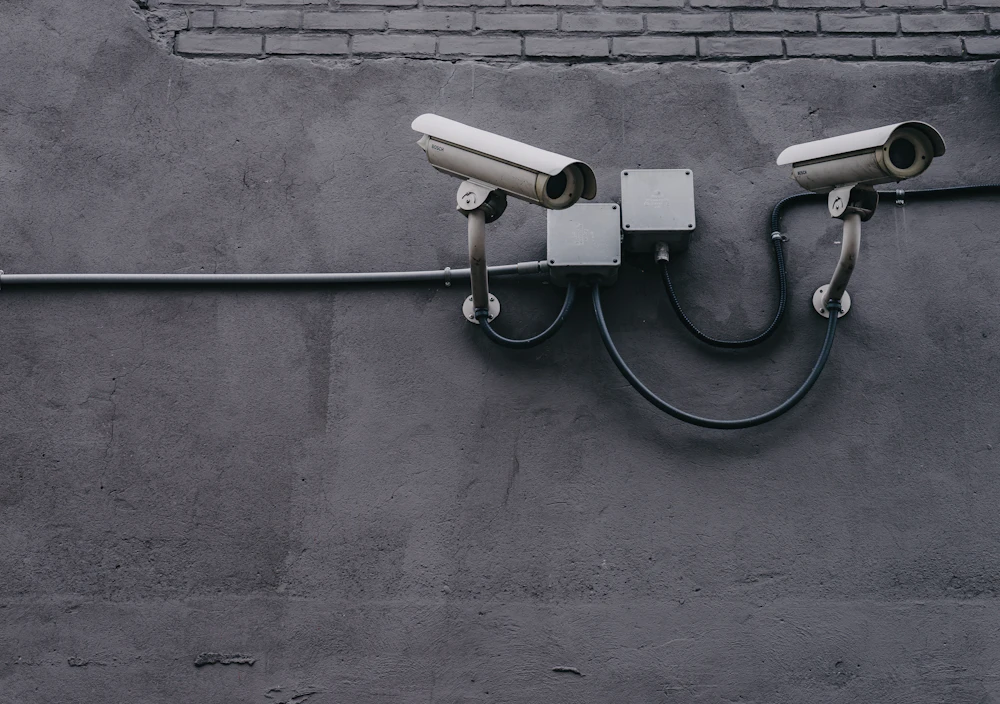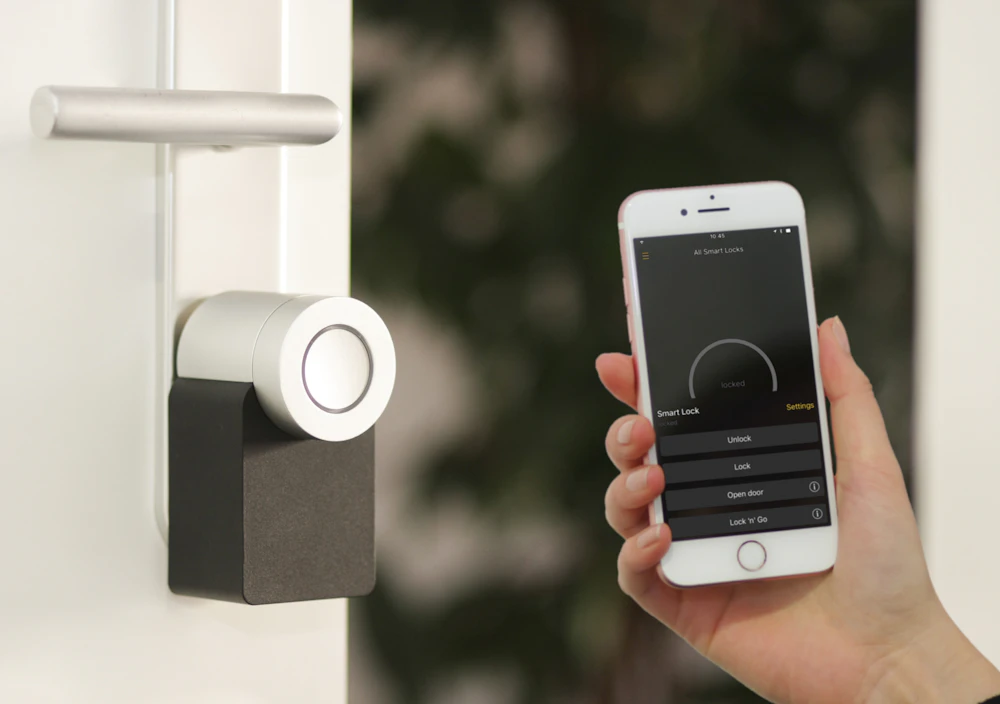
Video doorbells and smart locks have become common consumer devices, and it’s increasingly common for individual owners to want to install them on their own front doors — whether a single-family home’s entry or a condominium unit’s door facing a shared hallway. Unlike association-installed security systems, covered in our guide on security cameras and access control basics, these are individual owner installations that still raise genuine questions for the board about common-element modification, privacy, and consistency.
Why This Deserves Its Own Policy, Not Just General Architectural Rules
A general architectural modification policy may not clearly address a small device mounted near a door, which means owners and the board can end up in genuine uncertainty about whether approval is needed, what aesthetic standards apply, and how privacy concerns from a device with a camera should be handled. A specific, clear policy removes that ambiguity rather than leaving each installation to an inconsistent, case-by-case judgment call.
Where Modification Approval Generally Applies
Common-Element Doors Generally Need the Same Review as Other Changes
In a condominium, where the exterior door and surrounding hallway are often common elements rather than part of the owner’s exclusive unit, installing a device that attaches to that door or wall generally falls under the same kind of architectural review covered in our guide on architectural review committees, rather than being treated as something an owner can install without any approval simply because the device itself is small.
Single-Family Homes Generally Have More Flexibility, Within Reason
In a single-family HOA, where the home itself is the owner’s own property rather than a common element, a video doorbell or smart lock generally raises fewer modification concerns, though general aesthetic guidelines that apply to other small exterior fixtures may still reasonably apply.
Privacy Considerations Specific to Devices With Cameras
Shared Hallways and Common Areas Capture More Than the Owner’s Own Doorway
A video doorbell mounted near a condominium unit’s door, in a shared hallway, generally captures footage of that shared space and likely other residents passing by — not just the owner’s own threshold — which raises genuine privacy considerations beyond what the same device would raise on a single-family home’s private porch, connecting to the broader privacy principles covered in our guide on protecting resident data: privacy basics.
A Clear Policy on Recording in Shared Spaces
A reasonable policy might address where cameras can point, whether continuous recording of a shared hallway is treated differently from motion-triggered doorbell footage, and how long an owner is expected to retain or delete footage — giving both the installing owner and their neighbors clarity about what’s actually happening with a device capturing footage of shared space.
Practical Installation Considerations
Protecting Common-Element Doors and Walls
A policy addressing installation method — avoiding damage to shared doors, frames, or walls, and specifying who’s responsible for repair if damage occurs — protects the association’s common elements regardless of how reasonable the underlying device itself is.
Removal Upon Sale or Move-Out
Clarifying whether an installed device must be removed (and any resulting holes or damage repaired) when an owner sells or moves out helps avoid a dispute later about whether a device left behind belongs to the new owner or needs to be addressed as part of the transition.
Smart Locks: Additional Considerations Beyond Cameras
Emergency and Maintenance Access
A smart lock that an owner installs on their own unit door can create a genuine practical issue if the association or emergency responders need entry and the owner’s smart lock doesn’t accommodate the kind of master key or emergency access arrangement the association generally relies on. A policy should address how an owner using a smart lock maintains compatibility with the association’s emergency access needs, rather than leaving this undiscovered until an actual emergency makes it a live problem.
Confirming the Device Doesn’t Compromise Building-Wide Security Systems
Where a building has centralized access control, covered in our guide on security cameras and access control basics, a policy should confirm that an individually installed smart lock doesn’t create an unintended gap or conflict with that broader system.
Building a Reasonable Approval Process
A Simple, Fast Process for a Low-Risk Device Category
Given that these are generally small, low-risk devices compared to a major exterior modification, a streamlined approval process — rather than the full formal review reserved for more significant changes — tends to serve both the association and owners well, consistent with the efficiency principles covered in our guide on architectural review committees.
Clear, Written Criteria Residents Can Reference
Publishing clear criteria — what’s generally pre-approved, what requires specific review, what’s not permitted — before owners go through the purchase and installation process helps prevent a resident from installing a device only to discover afterward it doesn’t comply with association standards.
A Simple Checklist for Video Doorbell and Smart Lock Policies
- The policy clearly states when modification approval is required, distinguishing common-element doors from single-family homes
- Privacy considerations for devices capturing shared-space footage are addressed directly
- Installation methods protect common elements, with clear responsibility for any resulting damage
- Smart lock policies confirm compatibility with the association’s emergency and maintenance access needs
- A streamlined, clearly communicated approval process exists for this generally low-risk device category
Where This Connects to the Rest of Community Technology and Governance
Video doorbell and smart lock policies connect directly to the broader security and access control considerations covered in our guide on security cameras and access control basics and the privacy principles described in our guide on protecting resident data: privacy basics.