An easement is one of those legal concepts that rarely comes up until it directly affects a specific maintenance question or dispute — a drainage area that crosses between two properties, a shared access path, a utility line running through what looks like private property. Understanding generally what an easement is, and why it can create shared responsibility that isn’t always obvious from simply looking at a property, helps both board members and owners avoid confusion when an easement-related question actually arises.
What an Easement Generally Is
An easement is generally a legal right for someone other than the property owner to use a specific portion of that property for a particular, defined purpose — without actually transferring ownership of the land itself. In a community association context, easements commonly exist for things like utility access, drainage, or shared access between properties, and they’re typically recorded as part of the property’s legal documentation.
Common Types of Easements in Community Associations
Utility Easements
Utility companies often hold easements allowing access to install and maintain infrastructure like power lines, water lines, or drainage systems that may run across common areas or even individual lots. These easements generally give the utility company the right to access and maintain their infrastructure, sometimes including the right to remove landscaping or other obstructions if necessary for that maintenance.
Drainage Easements
Many Florida communities, given the state’s drainage and flood management needs, include drainage easements that allow water to flow across specific areas, sometimes including individual lots, as part of the community’s overall stormwater management system. An owner who isn’t aware of a drainage easement on their lot might be surprised to learn they can’t simply build or landscape however they’d like in that specific area.
Access Easements
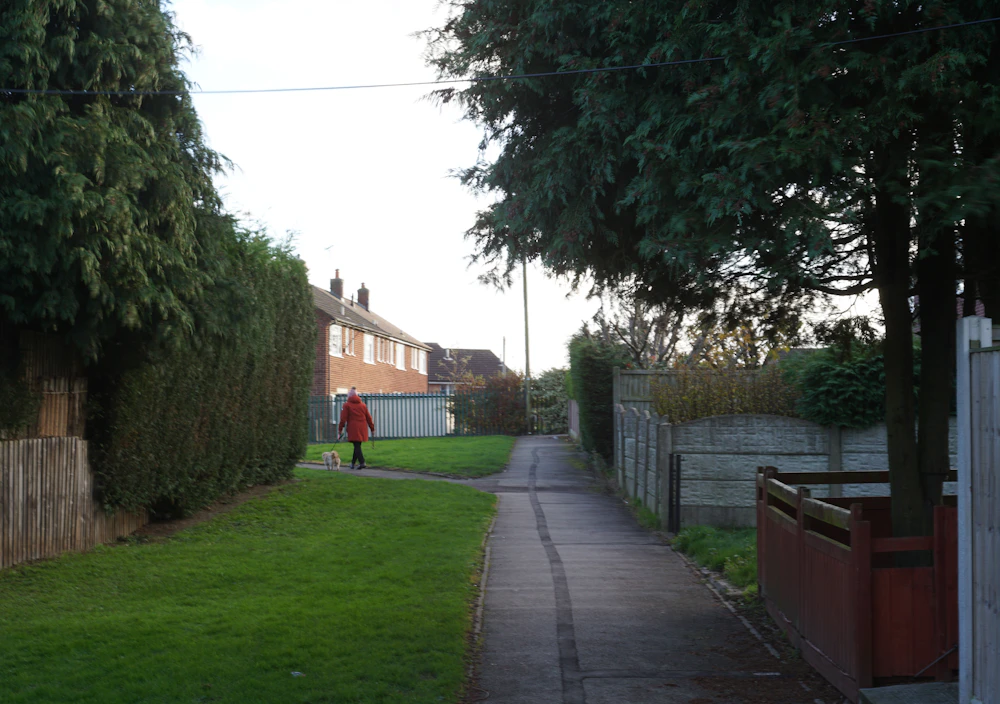
Access easements allow for passage across a specific area — a shared driveway between adjacent units, or a path connecting one part of a community to a common amenity — and typically define the scope of use permitted.
Why Easements Can Create Shared Maintenance Confusion
Easements Don’t Always Clearly Define Who Maintains What
An easement generally establishes the right to use a particular area for a purpose, but doesn’t always clearly specify whose responsibility it is to maintain that area day-to-day, separate from the specific use the easement grants. This is an area where the specific easement document and the broader governing documents, together, define the actual maintenance responsibility.
An Owner May Not Know an Easement Exists on Their Property
Easements are generally recorded in property records, but an owner doesn’t always review these records closely before purchasing, which means a board or management company explaining relevant easements clearly — ideally as part of new-owner onboarding, as covered in our guide on onboarding new owners before closing — helps prevent confusion or disputes later.
How Easements Connect to the Broader Governing Documents
Easements are generally a separate legal mechanism from the declaration, bylaws, and rules covered in our broader guide on understanding your community’s governing documents, but they often interact directly with those documents — for example, a declaration might reference specific easements for drainage or shared infrastructure that affect how a particular area can be used or modified.
Practical Situations Where Easements Matter
Landscaping and Fencing Requests
An owner’s request to install a fence or significant landscaping should generally be checked against any relevant easements on their property, since an easement holder may have rights that limit what can be built or planted in a specific area, separate from the association’s own architectural approval process.
Maintenance and Repair Access
If an easement holder needs to access an area for maintenance or repair — a utility company repairing a line, for example — understanding the scope of that access right in advance helps avoid confusion or conflict when the access actually occurs.
When an Easement Dispute Arises
Disputes Can Involve the Easement Holder or a Neighboring Owner
Occasionally a dispute arises over the scope of an easement — whether a specific use exceeds what was actually granted, or whether maintenance performed under an easement caused damage that should be repaired by the party responsible. These disputes generally require careful review of the specific recorded easement language, and are a situation where qualified legal counsel should be consulted rather than the board or an owner relying on a general assumption about what the easement allows.
Avoid Assuming an Easement No Longer Applies Just Because It’s Old
An easement that was recorded many years ago, and hasn’t been actively used in recent memory, doesn’t necessarily stop applying simply due to the passage of time. Assuming an old, seemingly dormant easement no longer matters can lead to a genuine legal surprise later if the easement holder exercises their rights under it.
Including Easement Information in New-Owner Materials
A brief, clear reference to any easements relevant to a specific property — rather than simply directing a new owner to review the full recorded documents on their own — makes this information meaningfully more accessible during the onboarding process. This doesn’t replace an owner’s own due diligence, but it does reduce the odds that a genuinely important piece of property information goes unnoticed simply because it was buried within dense legal language nobody had time to fully review.
A Simple Checklist for Understanding Easements
- The board and management understand which easements exist within the community and what they generally cover
- New owners are informed of any easements affecting their specific property as part of onboarding
- Architectural review requests are checked against relevant easements before approval
- Questions about specific easement scope or maintenance responsibility are confirmed against the actual recorded documents, not assumed
Where This Connects to the Rest of Association Basics
Understanding easements connects directly to the broader governing document framework covered in our guide on understanding your community’s governing documents and the property structure differences described in our guide on condo vs. townhome vs. single-family HOA.