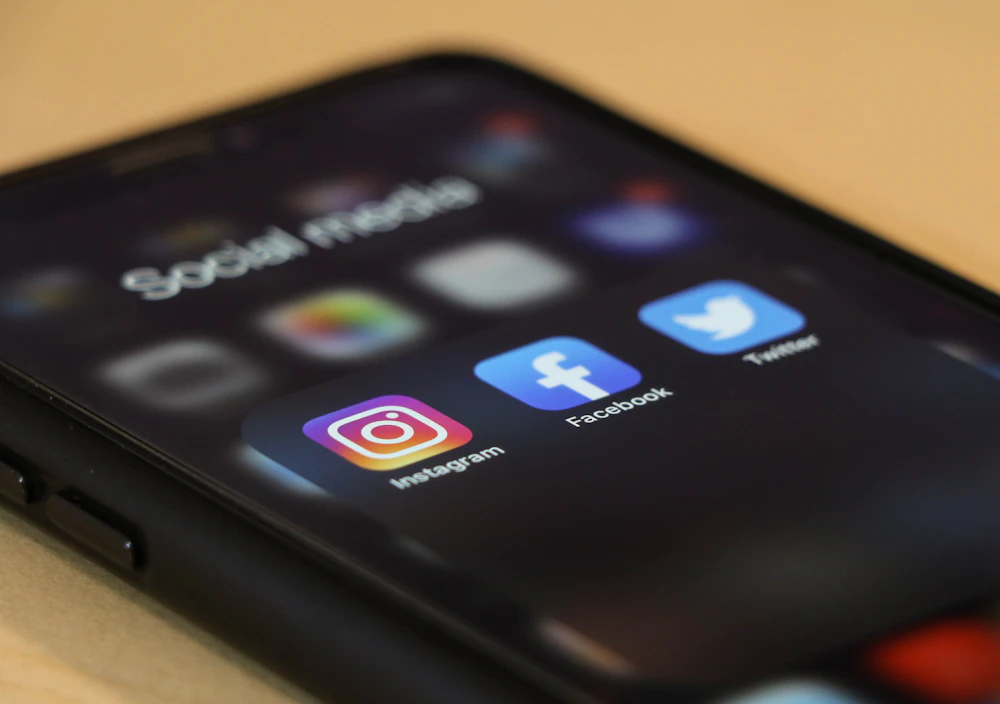
Many communities already have an informal resident social media group, started by a resident rather than the association itself, long before the board ever considers whether to create an official presence. Deciding whether — and how — the association should engage with social media, whether through an official account or by simply being aware of existing informal groups, is a genuinely practical question for boards navigating modern resident communication.
Why Social Media Deserves Its Own Consideration
Our broader guide on choosing the right communication tools for your association covers communication channel selection generally. Social media deserves separate, specific attention because it behaves differently from a controlled newsletter or portal — it’s public or semi-public, often informal in tone, and significantly harder for the association to control once a conversation starts, regardless of whether the association itself created the space.
Potential Benefits of an Official Presence
Reaching Residents Who Don’t Check Other Channels
Some residents are genuinely more likely to see information shared through a social media channel than through an email newsletter or printed notice, which can make an official presence a useful supplement to — though generally not a replacement for — the association’s other communication channels.
Providing an Accurate, Official Source
An official association account or page can serve as a clear, authoritative source of accurate information, which can be valuable in a community where an informal resident group has sometimes spread inaccurate information or rumors about association matters.
Genuine Risks to Consider
Public Comments Can Become Difficult to Moderate
An official association social media presence that allows public comments opens the door to disputes, complaints, and sometimes inappropriate content playing out publicly, which can be considerably harder to manage than the same conversation happening through a private channel.
Official Statements Carry Different Weight
Something posted from an official association account generally carries more apparent authority than the same statement made informally, which means the board should be more careful about accuracy and tone on an official channel than it might be in a more informal context — a casual remark that would be harmless from an individual board member can look like official policy when posted from the association’s own account.
Privacy Considerations
Posting photos or information involving identifiable residents on a public or semi-public social media account raises genuine privacy considerations, connecting directly to the principles covered in our guide on protecting resident data: privacy basics. Getting appropriate consent before posting identifiable images of residents is a reasonable practice, not an excessive precaution.
Handling Informal, Resident-Created Groups
The Association Generally Doesn’t Control These Groups
A resident-created social media group, even one that functions as a de facto community hub, generally isn’t under the association’s control, and the board generally has no authority to moderate or direct what happens there, even when inaccurate information about the association circulates.
Responding to Misinformation Without Overreacting
If genuinely inaccurate information about the association is circulating in an informal resident group, a measured, factual response — ideally through the association’s own official channels rather than engaging directly in the informal group’s dynamics — is generally a more effective approach than an emotional or defensive reaction.
Building Reasonable Guidelines for an Official Presence
Decide Who’s Responsible for Posting and Monitoring
An official account that isn’t actively and consistently managed can become outdated or, worse, left without anyone monitoring comments that may need a response or moderation. Clear responsibility for day-to-day management avoids this drift.
Establish a Clear Tone and Content Policy
A simple internal guideline for what kind of content is and isn’t appropriate for the official account — factual updates and reminders, generally yes; personal opinions on controversial community matters, generally no — helps keep the account’s official voice consistent and appropriate.
Have a Plan for Moderating Public Comments
Deciding in advance how the association will handle inappropriate comments, disputes playing out publicly, or specific complaints posted to the official account prevents the board from having to improvise a response in the moment.
Training Whoever Posts on Behalf of the Association
Consistency Requires More Than One Person’s Good Judgment
If more than one person has access to post on the official account, a simple, shared understanding of the content and tone guidelines helps keep the association’s public voice consistent, rather than varying noticeably depending on who happens to be posting on a given day.
Reviewing Account Access Periodically
As board membership or management staff changes, access to the official account should be reviewed and updated accordingly, so that someone who’s no longer involved with the association doesn’t retain the ability to post on its behalf indefinitely after their role has ended.
Deciding Whether an Official Presence Is Worth Maintaining
Not every association will find that an official social media presence is worth the ongoing effort required to manage it well. If the account isn’t being actively maintained, isn’t reaching a meaningful number of residents, or is creating more moderation burden than communication value, it’s entirely reasonable for a board to scale back or discontinue it rather than keeping a neglected account active simply because it already exists.
A Simple Checklist for Association Social Media
- The board has deliberately decided whether an official presence makes sense, rather than defaulting into one without real consideration
- Clear responsibility exists for managing and monitoring any official account
- A simple content and tone guideline keeps official posts consistent and appropriate
- A plan exists for moderating public comments and responding to misinformation
- Resident privacy is considered before posting identifiable photos or information
Where This Connects to the Rest of Community Technology
Social media guidelines connect directly to the broader communication tool decisions covered in our guide on choosing the right communication tools for your association and the privacy principles described in our guide on protecting resident data: privacy basics.