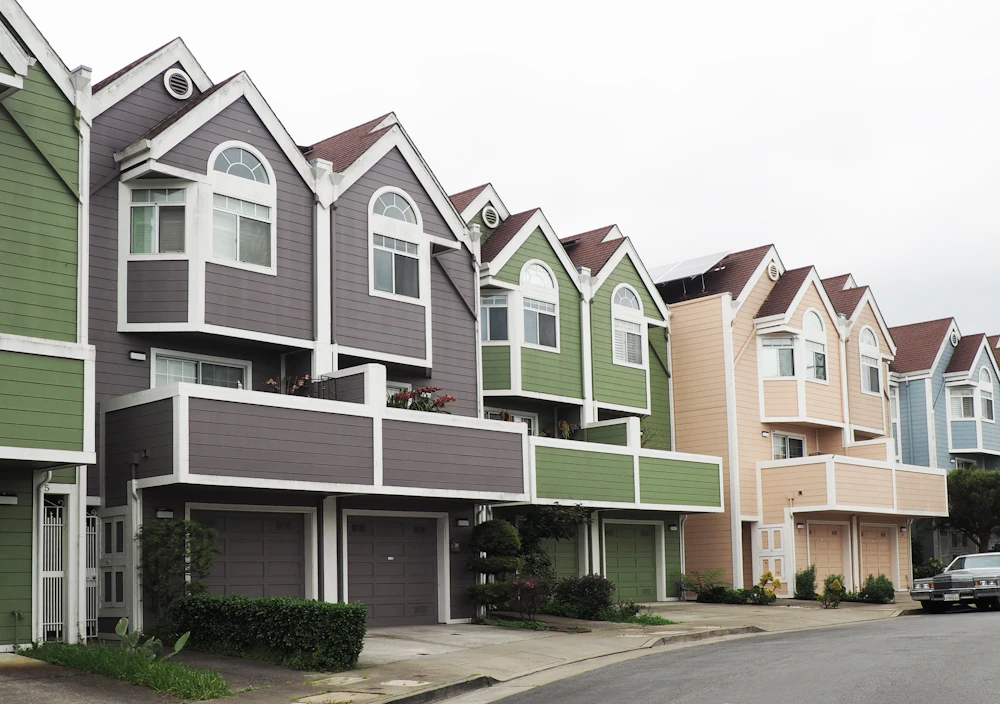
Every community that starts as a new development begins under developer control, and at some point — sometimes smoothly, sometimes contentiously — that control shifts to a board elected by the owners themselves. Understanding the general shape of this transition helps both early buyers and newly elected board members know what to expect, without needing to become experts in the statutory details themselves.
Why Developer Control Exists in the First Place
In the earliest phase of a new community, the developer typically controls the board because it’s the developer who’s completing construction, selling units, and bearing most of the financial risk during that period. This isn’t inherently adversarial — a functioning developer-controlled board during the sales period can mean well-maintained common areas and a smoothly run association precisely because the developer has a strong interest in the community showing well to prospective buyers.
What Typically Happens as Turnover Approaches
A Statutory or Document-Based Trigger
Florida’s condominium and homeowner association statutes generally establish conditions under which turnover must occur, often tied to the percentage of units that have been sold to owners other than the developer. The specific thresholds and timing provisions are detailed and have been revised over various legislative sessions, so this article intentionally doesn’t restate exact percentages or deadlines — a board or owner group approaching this point should confirm the current, specific requirements against the applicable statute chapter on the Florida Legislature’s official website, or with an attorney.
An Election of Owner-Controlled Board Members
As the community approaches turnover, owners typically gain the right to elect some or all board members, even before full turnover occurs. This phased approach gives owners a voice and some oversight during the final stretch of developer involvement, rather than an abrupt all-at-once handoff.
A Records and Financial Handoff
At actual turnover, the developer is generally expected to turn over association records, financial documents, governing documents, and various certifications and statements about the condition of the property and its finances. This handoff is detailed and statute-driven, and getting it right matters enormously for the owner-controlled board that inherits responsibility for the association going forward.
What a New Owner-Controlled Board Should Check Carefully
Financial Condition at Handoff
A new board should review the association’s financial records closely — not simply accept a stated balance, but understand how reserves were funded (or weren’t) during the developer period, and whether operating expenses were genuinely representative of what the association will actually cost to run going forward, not subsidized or understated during the sales period.
Condition of Common Areas and Building Systems
Common areas, amenities, and major building systems should be reviewed for their actual condition at turnover, ideally with a professional inspection where warranted — this connects directly to the kind of reserve planning covered in our guide on reserve studies for condo boards, since an accurate picture of the property’s condition at turnover is the foundation a new board’s reserve planning builds on.
Pending Legal or Warranty Matters
Construction defects, warranty claims, and any pending disputes involving the developer are worth identifying explicitly at turnover, since these can be time-sensitive and harder to pursue the longer they go unaddressed after the developer’s direct involvement ends.
Contracts the Developer Entered Into
Vendor contracts, management agreements, and any other commitments the developer made on the association’s behalf should be reviewed by the new board — some may be appropriate to continue, others may have been negotiated with terms that favored the developer’s interests over the association’s long-term interests, and a new board should understand which is which before assuming every existing contract should simply continue unchanged.
Why This Transition Can Be a Sensitive Moment
Turnover sometimes proceeds smoothly, with a cooperative developer and a well-prepared new board. Other times, it’s genuinely contentious — a developer who disputes the association’s claims about construction quality, or owners who feel the developer underfunded reserves during the sales period to keep dues artificially low and attractive to buyers. Either way, a new board benefits from approaching turnover methodically rather than emotionally: documenting what’s actually received, what’s missing, and what needs to be pursued, rather than assuming goodwill will resolve gaps on its own.
A Simple Checklist for a New Board at Turnover
- A complete records handoff has been received and reviewed, with any gaps clearly identified
- The association’s actual financial condition, including reserve funding history, has been reviewed independently rather than taken at face value
- Common areas and major building systems have been assessed for their real condition, not assumed to match the condition promised in marketing materials
- Any pending warranty, defect, or legal matters involving the developer have been identified and a plan exists for pursuing them within applicable timeframes
- Existing vendor and service contracts have been reviewed for whether they genuinely serve the association’s interests going forward
Where This Connects to the Rest of Association Management
A board navigating turnover faces many of the same early-stage questions covered in our guide on what to expect in your first 90 days with a new management company, even though the specific context — inheriting an association from a developer rather than from a prior manager — is different. Our HOA and community management service works with boards at exactly this stage, helping establish sound financial and operational footing from the association’s earliest days of owner control.