
HOA Communities
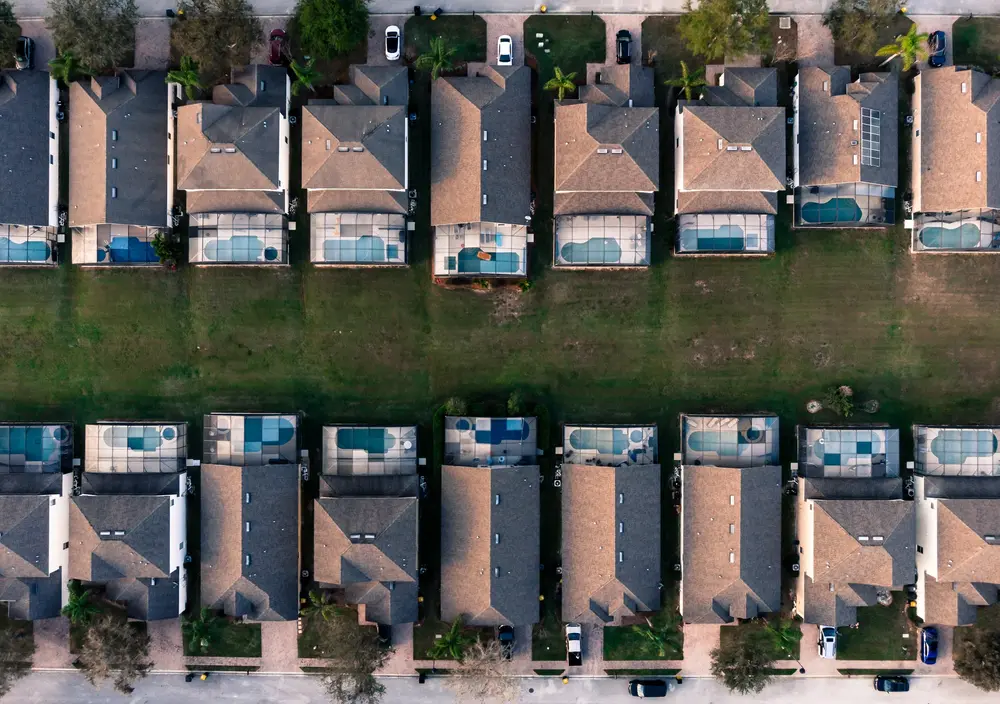
Homeowner association communities are typically made up of single-family homes where owners hold title to their individual lots, with shared common areas such as entrances, roadways, parks, or amenity centers governed by the association. Boards are usually made up of volunteer homeowners who rely on consistent administrative support. Danna Property Management handles the day-to-day administration that lets HOA boards focus on long-term decisions for their community. Because an HOA board is almost always made up of volunteers rather than paid staff, consistency tends to suffer most when there's no one dedicated to following through — a rule gets enforced one month and overlooked the next, simply because whoever noticed the violation didn't have time to document it. That's the gap professional administrative support closes, without taking governance authority away from the board. Even simple things, like making sure every homeowner receives the same notice before a rule change takes effect, become harder to guarantee without someone tracking it consistently.
What to Know
- Single-family homes with individually owned lots and shared common areas
- Volunteer homeowner boards that oversee governance and rule enforcement
- Common areas such as entrances, roadways, parks, and amenity centers
- Architectural review processes in many communities
- Ongoing landscaping and common-area maintenance needs
- Governing documents, such as covenants and bylaws, that guide community rules
- Assessment collection and budgeting handled at the association level
- A range of community sizes, from a few dozen homes to several hundred
- Enforcement processes that need to be documented to hold up if ever challenged
- Board elections and annual meetings that follow specific statutory requirements
How Danna Supports This
Review Governing Documents
We start with your HOA's covenants, bylaws, and current rules.
Support Consistent Enforcement
Rule enforcement is applied and documented consistently across the community.
Maintain Common Areas
Landscaping and shared amenities are maintained through organized vendor oversight, on a schedule your board can count on.
Frequently Asked Questions
In an HOA, owners typically hold title to their individual home and lot, while a condominium association governs shared building systems alongside individually owned units; the day-to-day administrative needs differ accordingly.
Yes, governance authority stays with your board; we provide the administrative support, documentation, and recommendations that back up its decisions.
Yes, consistent, documented architectural review and rule enforcement is part of our HOA management approach.
Yes, we coordinate licensed vendors for landscaping and common-area maintenance as part of our standard HOA management.
Yes, we handle assessment collection and support annual budget preparation, so your board has organized financial information to work from.
Yes, we work with HOAs ranging from a few dozen homes to several hundred, scaling our approach to fit the community's actual needs.